
Blog
Why Do You Need a Water Meter?
A Water Meter may look like a small brass fitting beside a wall or under a pavement cover. Yet its readings can explain why a monthly bill changed, reveal steady overnight use, and help a household spot a leak before damp patches appear. Amy Vickers, a water-conservation specialist and author of Handbook of Water Use and Conservation, has written extensively about measuring water use. A concise summary of that practical idea—not a verbatim quotation—is: “Measure use before trying to change it.” The distinction matters: an invented quotation should not be presented as her exact words.
For homeowners, a meter records the volume passing through a service line. Readings can make everyday habits more visible: a running toilet, a long shower, or a garden hose left trickling. Small clues matter. Comparing readings over time is often more useful than staring at one number. A meter does not explain every unusual bill, though. Leaks beyond the meter, estimated readings, or a misread display can complicate the picture. Check the device instructions and ask the water provider how readings are collected. Keep a simple record; dates and numbers help.
This guide explores how a Water Meter works, what its readings can tell you, and when those readings deserve a closer look. It also covers practical limits. A meter is useful, not magical. And one quiet night of high usage may be a clue—not proof—so confirm the pattern before drawing conclusions.
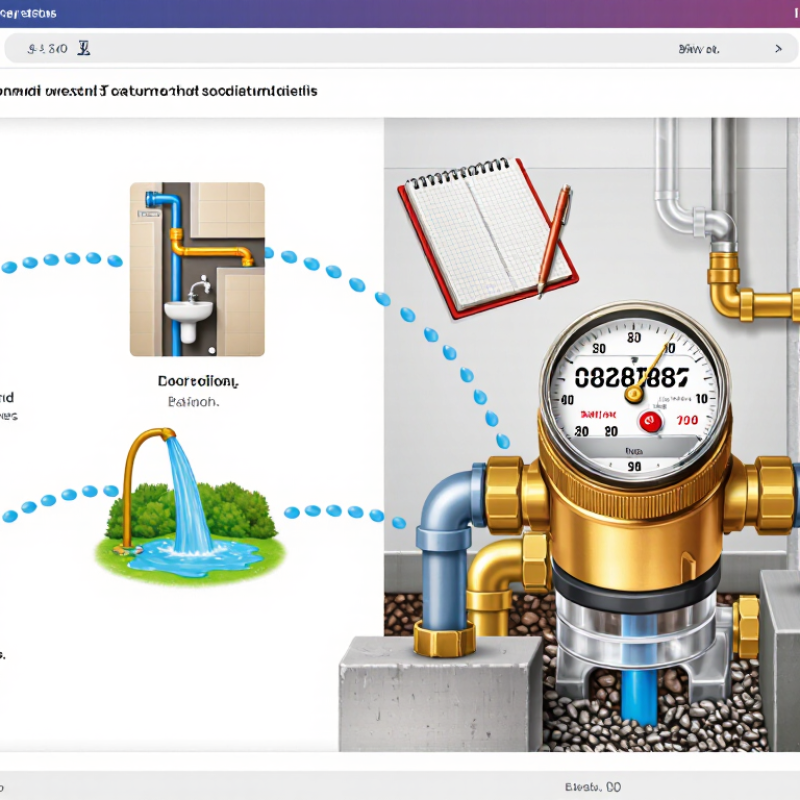
What a Water Meter Measures
Why Do You Need a Water Meter?
What a Water Meter Measures
A water meter records the volume of water that passes through a pipe into a building. It does not measure water quality. Most meters display a running total in gallons or cubic feet, while some use cubic meters. The exact unit depends on the meter and local utility. Small numbers may show fractions of a unit. Check the labels before comparing readings.
The register changes as water flows through the meter. A shower, washing machine, or dripping tap can all move the reading, though at very different rates. Some newer meters also report near-real-time flow, but many only show cumulative use. A meter is not a leak detector. Still, an unexpected increase can be a useful clue. Try recording the reading, avoiding water use for a short period, then checking again. Results can be confusing if appliances run automatically.
Readings help households and utilities track consumption and calculate bills. To compare use fairly, note the date, time, and displayed units each time. A few digits can matter. It is easy to misread a small decimal or overlook a unit change, so check the meter’s markings and billing information. If the display is unclear, ask the utility how that meter should be read.
How Water Meter Readings Determine Household Use
A water meter records the volume entering a home, usually in gallons or cubic feet. The unit is often printed beside the display. Write down the number and date, then compare it with a later reading. If the meter moves from 12,438 to 12,612 gallons, the household used 174 gallons between those checks. The difference matters more than either reading alone.
For a useful comparison, take readings at roughly the same time of day. Note whether laundry, showers, or outdoor watering happened in between. Some meters have a small leak indicator that moves when water is flowing. With taps and appliances off, movement can be a clue. Not proof. A toilet leak, for example, may come and go, so repeat the check before drawing conclusions.
Compare your figures with the dates on the water bill. A billing period may not match your own reading dates, and some bills use estimated readings. A sudden increase can prompt a closer look at toilets, faucets, or irrigation lines. Household routines and hot weather can also change use. One reading can be misleading; even careful notes leave a little room for uncertainty.
How Metering Makes Water Bills More Accurate
Why Do You Need a Water Meter?
A water meter records the volume flowing into your property, so bills can reflect measured use rather than a household-size estimate or flat charge. When you water the garden more in July, the reading can show that change. When use drops, your bill can show that too. It makes charges more transparent, though meter readings and billing dates still matter. Meters are not magic.
The U.S. Environmental Protection Agency’s WaterSense program estimates that household leaks can waste nearly 10,000 gallons of water each year. A meter can help reveal unusual consumption: a steadily moving reading when taps are off may point to a leak. It cannot identify the source, and a faulty meter or missed reading can still lead to an inaccurate bill. Compare readings over the same length of time, and contact your water provider if the numbers seem inconsistent.
Tips: Turn off taps and appliances, then check whether the meter continues moving. Note the reading before bed and again in the morning. A small difference may be normal, but a repeated rise deserves a closer look. Source: U.S. EPA WaterSense, “Fix a Leak Week.”
Why Do You Need a Water Meter?
How metering makes water bills more accurate
A meter records how much water is actually used, so bills can reflect changes in consumption. In this illustrative example, the estimated bill assumes 10 m³ per month, while metered bills use actual monthly readings of 8, 12, and 10 m³. Both calculations use an assumed rate of $2 per m³; actual rates vary by location.
Using Meter Readings to Find Leaks and Unusual Use
Why Do You Need a Water Meter?
Using Meter Readings to Find Leaks and Unusual Use
A water meter can help you spot changes before they become costly. Find it near the street, basement, or utility area, then note the reading and time. Turn off faucets, washing machines, and other water-using devices. Check that irrigation is paused, too. Wait 30 to 60 minutes, then read the meter again. Even a small change deserves a closer look. Not proof.
If the reading moves while everything is off, check common trouble spots. A toilet that keeps refilling may make a faint hiss. Look under sinks for damp cabinet floors, and inspect exposed pipes for drips. Some leaks are hidden, though. A moving meter is a clue, not a diagnosis; appliances or automatic systems may still be using water.
You can also compare readings across similar periods. A sudden increase from one month to the next may follow extra laundry, guests, or outdoor watering. If none of those explain it, repeat the check and record the numbers. It is easy to misread a dial or overlook a running appliance, so one test can mislead. If readings stay unusually high, contact a qualified plumbing professional and share your notes. Those details can help narrow down where to look.
How Water Metering Supports Conservation and System Planning
A water meter turns household use into a record that can be compared over time. Readings from a quiet night and a busy afternoon reveal different patterns. Small numbers matter. When a bill rises unexpectedly, checking the meter before and after a short period with taps off can help identify continuous flow. It cannot prove the cause, but it gives residents and utility staff a useful starting point.
Across a service area, aggregated meter data helps planners estimate peak demand, spot unusual losses, and decide where pipes or storage may need attention. Seasonal patterns matter too: summer irrigation can raise demand far beyond winter averages. Better estimates can guide maintenance and investment instead of relying only on old assumptions. Data still needs context. A leaking toilet and a growing neighborhood are not the same problem.
Metering can make water use more visible. A household may discover that outdoor watering dominates its weekly total, then adjust its schedule or repair a faulty sprinkler. Not every household can reduce use equally, and a meter alone will not fix aging infrastructure. That limitation deserves attention. Readings can also be imperfect because of equipment problems or delayed updates. Regular checks and clear explanations help keep the numbers useful and trustworthy.