Why Choose Coex Films for Packaging?
Packaging has a practical job: protect products from moisture, oxygen, punctures, and handling damage. Coex Films can combine several polymer layers in one film structure, with each layer designed for a different function. A sealant layer may help close a pouch, while a barrier layer can slow gas or moisture transfer. The exact performance depends on the materials, thickness, and package design—not just the number of layers.
The scale of the packaging challenge is substantial. The OECD’s Global Plastics Outlook (2022) estimates that packaging accounted for 40% of the 353 million tonnes of plastic waste generated worldwide in 2019. That figure makes material efficiency and end-of-life planning hard to ignore. It does not mean every multilayer film is wasteful, or that coextrusion automatically reduces impact. Performance must be measured against the product’s actual protection needs.
Details matter. A film that keeps coffee fresh, for example, may need different barrier properties from one used for frozen vegetables. A packaging team should compare shelf life, sealing reliability, material use, and compatibility with local collection or recycling systems. Ask for technical data sheets and test results under realistic storage conditions. Small samples help, too.
No single structure fits every product. That is worth remembering. Coex Films may offer a flexible way to balance protection and processability, but the best choice depends on evidence, not a broad sustainability claim. The OECD figures are reported in Global Plastics Outlook: Economic Drivers, Environmental Impacts and Policy Options (2022).
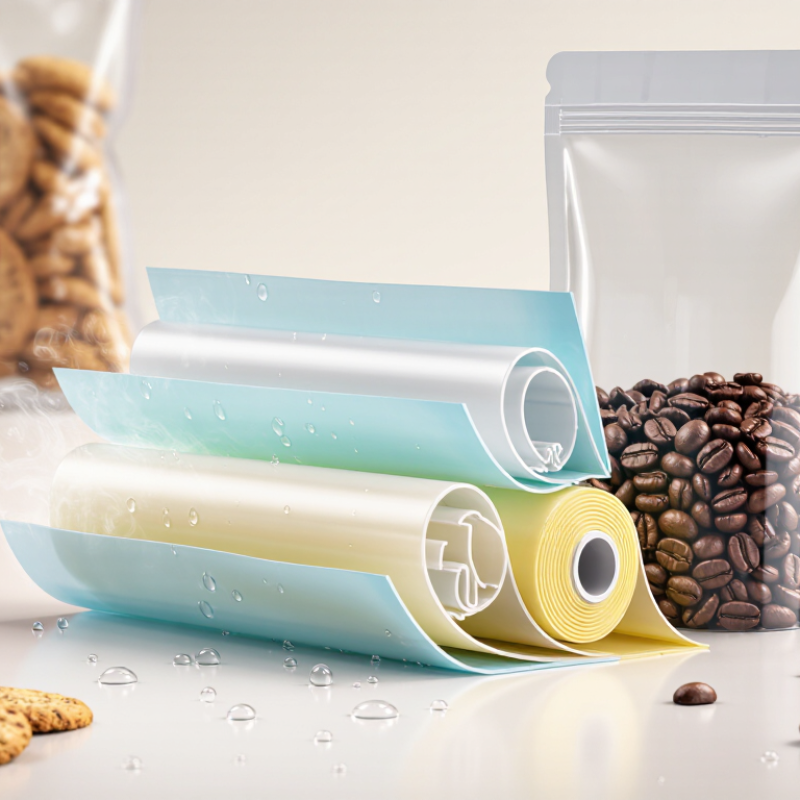
What Coextruded Films Are and How Their Layers Are Formed
Coextruded films are made by melting different polymers in separate extruders and bringing their streams together inside a feedblock or die. The layers bond while molten, then pass through the die and cool into one continuous film. Not by lamination. One layer might provide stiffness or printability; another can seal around a product. A thin barrier layer, such as EVOH, can help slow oxygen transfer, while tie layers help join materials that do not naturally adhere. The exact structure depends on the product, filling process, and storage conditions.
PlasticsEurope’s Plastics – the Fast Facts 2023 reports 400.3 million tonnes of global plastics production in 2022. That scale makes careful material design consequential, though the figure is not specific to packaging films. Coextrusion can place different functions in separate layers, sometimes avoiding a thicker, single-material structure. But more layers are not automatically better. Material combinations affect barrier performance, sealing, processing, and recycling options. In practice, a film must also run reliably through packaging equipment: a strong lab result is less useful if seals vary on a fast line. I would treat layer design as a trade-off, not a universal recipe. Temperature, humidity, and handling can all change how well a chosen structure performs.
Why Choose Coex Films for Packaging?
Coextruded films combine multiple polymer layers in one structure. Each layer can serve a different purpose, such as strength, adhesion, sealing, or oxygen barrier.
Illustrative example: A five-layer structure may place an EVOH barrier layer between tie layers, with polyethylene layers providing structure and heat sealing. Actual layer materials and thicknesses vary by packaging requirements.
How Each Layer Contributes to Packaging Performance
Why Choose Coex Films for Packaging?
How Each Layer Contributes to Packaging Performance
A coextruded film combines several materials in one continuous structure. Each layer can serve a specific purpose, rather than asking one material to do everything. This design can help balance product protection, sealing, and handling. No single structure fits every package.
The inner layer usually forms the seal. It must close reliably across the package opening, even when sealing conditions vary slightly. A barrier layer can slow the movement of oxygen or moisture, helping protect products that are sensitive to exposure. The outer layer adds stiffness, toughness, or a printable surface. Between these layers, tie materials may help keep incompatible polymers bonded. Small details matter.
Layer thickness and material choice affect how the film behaves on a packaging line. A pouch that seals well in a sample test may wrinkle or leak at production speed. That is a real limitation to check. Adding layers can improve one property while making processing or end-of-life handling more challenging. The right design depends on the product, package shape, storage conditions, and sealing equipment. Test finished packages under realistic conditions, including drops, pressure, and temperature changes. A film specification alone cannot confirm package performance.
Key Benefits of Coex Films for Different Products
Why Choose Coex Films for Packaging?
Key Benefits of Coex Films for Different Products
Coextruded films combine layers with different jobs, such as sealing, strength, and resistance to moisture or oxygen. The structure can be tailored to the product rather than relying on one material. For crisp snacks, a moisture barrier helps protect crunch. For coffee, oxygen and aroma barriers help preserve flavor. Frozen foods benefit from flexible, puncture-resistant packs that handle cold storage and rough handling. The exact performance depends on the resin combination, thickness, and seal quality.
The USDA estimates that 30–40% of the U.S. food supply is lost or wasted. Packaging cannot solve that alone, but suitable barrier films can help protect food during storage and distribution. The Flexible Packaging Association’s 2023 State of the Industry report valued U.S. flexible-packaging sales at $42.9 billion in 2022. That signals wide use, not automatic superiority. More layers are not always better; material choice and end-of-life options need careful review.
Tips: Match the film to the product’s main risk—moisture, oxygen, punctures, or leaks. Test seals and shelf life under real storage conditions. A small trial may reveal flaws that a specification sheet misses.
Common Packaging Applications for Coex Films
Why Choose Coex Films for Packaging?
Common Packaging Applications for Coex Films
Coextruded films combine multiple polymer layers in one structure, allowing each layer to serve a different purpose. One may provide strength, while another supports sealing or helps limit moisture and oxygen transfer. This flexibility makes them useful across many packaging formats, though the right structure depends on the product and filling process.
Fresh meat and cheese packs often need dependable seals and resistance to punctures from sharp edges. Frozen vegetables benefit from films that tolerate cold handling and repeated movement in transit. Dry snacks may use barrier layers to help preserve crispness, while stand-up pouches need enough stiffness to hold their shape on a shelf. Small details matter. Personal-care refills and household-product packs can also use coex films when flexible packaging needs a balance of toughness and easy opening. In practice, a stronger barrier is not always better; extra layers can affect cost, processing, and end-of-life options. Seal performance also depends on line speed, temperature, and product residue. Trial runs help reveal what specifications alone may miss.
How to Choose a Coex Film Structure for Your Needs
Why Choose Coex Films for Packaging?
How to Choose a Coex Film Structure for Your Needs
Choosing a co-extruded film starts with the product, not the layer count. List the risks: moisture, oxygen, light, punctures, and seal failure. A dry snack may need strong moisture protection, while a fresh product may need a different gas barrier. Then consider the filling line. Film that performs well in a lab can still wrinkle, stretch, or seal poorly at production speed.
Each layer should have a clear job. Polyethylene can provide sealing and toughness; barrier materials such as EVOH can help limit oxygen transmission. Tie layers connect materials that do not bond readily. Keep the structure only as complex as the performance target requires. More layers do not automatically mean better packaging. OECD’s Global Plastics Outlook (2022) estimates that packaging generated 40% of plastic waste in 2019, making end-of-life design worth considering alongside shelf life. Ask suppliers about material compatibility with local recycling systems, and request test data for the actual thickness and conditions. This detail matters. Check seals after filling, not just on flat samples. A small corner leak can undo a carefully chosen barrier. There is no perfect structure; product trials may reveal that an initial choice needs revision.