
Blog

What Is a High Power Electric Motorcycle?

A High Power Electric Motorcycle is more than a battery-powered version of a conventional bike. It combines a high-output motor, a large battery pack, advanced control software, and a chassis designed for stronger acceleration. However, “high power” has no single global definition. Manufacturers may describe power using peak kilowatts, continuous output, torque, or acceleration figures. That creates confusion for buyers.

The International Energy Agency’s Global EV Outlook 2024 identifies electric two- and three-wheelers as one of the most electrified road-transport segments. The report also highlights their importance in China, India, and Southeast Asia, where motorcycles support daily commuting and commercial mobility. BloombergNEF’s Electric Vehicle Outlook 2024 reports continued reductions in battery costs, although pack prices still vary by chemistry, production scale, and supply chain conditions. Lower costs can support larger batteries, but added weight may reduce handling efficiency.

Real-world performance depends on more than peak power. A 20-kilowatt motor may feel different on a steep road, a wet corner, or a crowded urban street. Battery temperature matters. Tire grip matters too. So does rider experience.

This topic deserves careful attention. Marketing figures can sound impressive, yet they may omit sustained power, charging limits, braking performance, and thermal protection. A credible evaluation should compare tested specifications, manufacturer documentation, and recognized safety standards. The best High Power Electric Motorcycle is not always the fastest model. It should deliver predictable power, practical range, stable handling, and dependable safety in everyday conditions. The category is still developing. Its terminology needs more consistency.
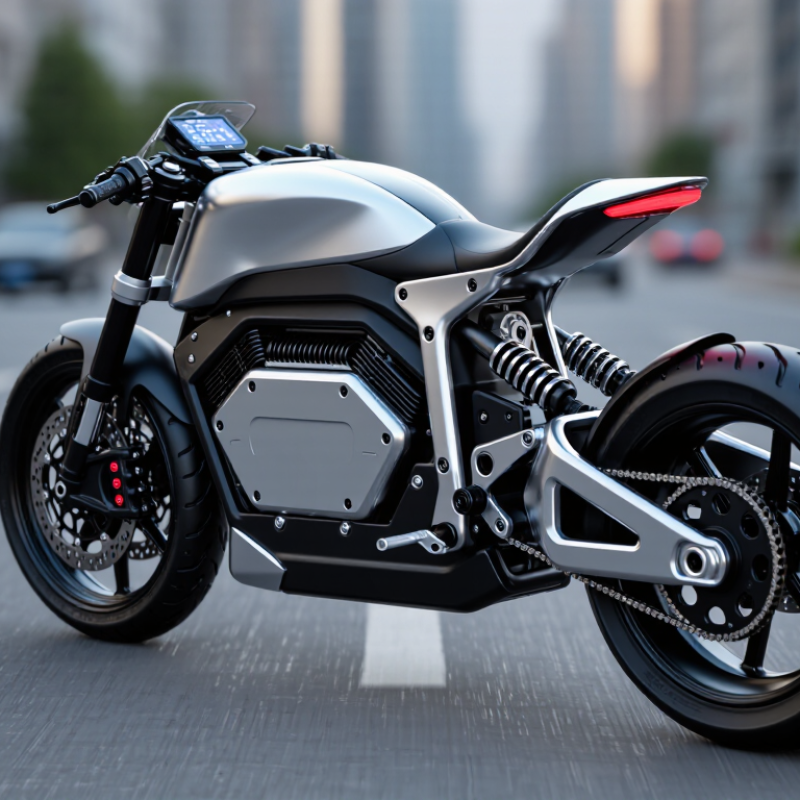
What Is a High Power Electric Motorcycle?

Definition and Core Characteristics of a High Power Electric Motorcycle

A high-power electric motorcycle is defined by usable performance, not a large marketing number. The label remains imperfect. Regulations classify motorcycles by power, speed, or battery capacity, and these systems vary between countries. In engineering practice, high power usually means strong continuous output, high peak output, rapid acceleration, and sustained performance. A serious evaluation should examine the motor’s torque curve, controller limits, battery voltage, and cooling design. Peak power impresses briefly. Continuous power matters on long climbs.

The International Energy Agency’s Global EV Outlook 2024 reports more than 30 million electric two- and three-wheelers operating worldwide. It also identifies this segment as one of road transport’s most electrified areas, especially across Asian markets. That growth increases expectations for safer batteries, stronger frames, and dependable thermal control. High-power motorcycles often carry larger battery packs, which can add weight. Engineers must balance acceleration against range, braking distance, tire grip, and charging time.

Battery cost also shapes the category. BloombergNEF reported an average lithium-ion battery pack price of 115 dollars per kilowatt-hour in 2024, following a 20% annual decline. Lower costs may support larger packs, but they do not guarantee better motorcycles. Cell chemistry, cooling, software, and real-world testing still matter. I would not judge a high-power model from peak watts alone. Road temperature, passenger load, and repeated acceleration can expose weaknesses. The definition needs more honesty.

Motor, Battery, and Powertrain Components

What Is a High Power Electric Motorcycle?

A high power electric motorcycle depends on more than a large motor rating. Its motor converts battery energy into wheel torque, acceleration, and sustained speed. Peak power can feel dramatic for a few seconds. Continuous power matters more during highway riding or steep climbs. Engineers monitor motor temperature because heat quietly reduces performance and component life. In practical testing, a strong motor should respond smoothly, without jerky throttle reactions. That detail affects confidence in rain, traffic, and tight corners.

The battery acts as the motorcycle’s energy reservoir. Its voltage, capacity, cell chemistry, and discharge rate shape real performance. A high-voltage pack can reduce current demand for the same output, helping limit cable heating. Capacity influences range, but riding speed, rider weight, wind, and temperature also matter. A cold battery may deliver less power than expected. Range estimates can look precise, yet real roads are rarely polite.

The powertrain connects the battery, inverter, motor, reduction gears, and final drive. The inverter regulates electrical current thousands of times each second, translating throttle input into usable torque. Efficient gearing can improve acceleration without overwhelming the motor. Strong regenerative braking can recover energy, but it may feel abrupt if poorly calibrated. I have found that published peak figures rarely tell the whole story. A motorcycle may be powerful on paper, but cooling, software, and battery protection decide how long that power remains available. Small compromises still exist. That is worth admitting.

How Performance Is Measured and Compared

What Is a High Power Electric Motorcycle?

How Performance Is Measured and Compared

A high power electric motorcycle is judged by more than its motor rating. Peak power shows the highest electrical output for a short period. Continuous power reveals what the machine can sustain without overheating. That difference matters on steep roads or during repeated acceleration.

Torque affects the first surge. Very quick.

Testers usually record acceleration, top speed, braking distance, and energy use. A controlled test should use the same rider, battery charge, tire pressure, and road surface. Temperature also matters. Cold batteries may deliver less power, while heat can trigger software limits. These details make comparisons more trustworthy.

Real-world performance needs a wider view. A motorcycle that reaches high speed quickly may lose range during ordinary commuting. Weight, riding position, wind, and passenger load change the result. Battery capacity is measured in kilowatt-hours, but usable capacity can be lower than the advertised figure. A power meter and GPS logger can expose these differences during repeatable rides. Professional tests should publish their methods, not only impressive numbers.

No single figure tells the whole story. This method is still imperfect. A smooth road may favor one setup, while daily traffic favors another. Riders should compare test conditions before comparing performance claims. Reliability also depends on cooling, charging behavior, brake feel, and software consistency over time. A powerful electric motorcycle should feel controlled, predictable, and repeatable—not merely dramatic for ten seconds.

Key Differences from Standard Electric Motorcycles

What Is a High Power Electric Motorcycle?

Key Differences from Standard Electric Motorcycles

A high-power electric motorcycle uses a stronger motor, larger battery, and heavier-duty control system. Its peak output can deliver rapid acceleration and stronger hill-climbing ability. Standard electric motorcycles often prioritize light weight, simple handling, and efficient city travel. They may feel calmer in traffic and easier to park. The category is not perfectly consistent. Some models have impressive peak power but limited sustained performance.

The clearest difference appears during extended riding. High-power motorcycles need better battery cooling, stronger frames, larger brakes, and more durable tires. Their batteries may also weigh over 100 kilograms, affecting balance when stopped. During testing, watch how acceleration changes after several hard runs. Heat can reduce available power, even when the display shows a full charge. I once underestimated this detail; quick acceleration felt impressive, but repeated use exposed weaker thermal control. That experience changed how I judge specifications.

Tips: Check peak and continuous motor power separately. Inspect brake size, suspension travel, tire ratings, and charging time. Test the motorcycle at low speed before exploring its full response. Ask whether the battery warranty covers capacity loss and thermal faults. Confirm local licensing, insurance, helmet, and road-use requirements before riding. A high-power motorcycle is not automatically better for every rider. Its extra performance can mean greater weight, higher energy use, and more demanding maintenance.

Safety, Regulations, and Practical Applications

What Is a High Power Electric Motorcycle?

Safety, Regulations, and Practical Applications

A high power electric motorcycle uses a large battery, strong motor, and advanced control system. In European type approval, the L3e-A3 category exceeds 35 kW, while A2 models reach 35 kW. These figures show why performance alone cannot define safety. Acceleration can feel instant, especially on wet asphalt or loose gravel. The label is still fuzzy.

Safety depends on training, tires, brakes, visibility, and battery management. The National Highway Traffic Safety Administration reported that motorcyclists were about 28 times more likely to die per vehicle mile than passenger-car occupants in 2019. The World Health Organization states that helmets can reduce fatal injury risk by roughly 42 percent. Riders also need protective clothing and clear separation from traffic. In practice, some owners underestimate stopping distance. That mistake deserves more attention.

Regulations vary by country, but many systems require type approval, lighting standards, braking tests, electromagnetic compatibility, and battery electrical protection. UNECE Regulation No. 136 addresses electric safety for L-category vehicles. Practical applications include urban commuting, delivery fleets, training facilities, and short-range patrol work. Fleet operators should measure charging time, payload, heat exposure, and real-world range. The International Energy Agency identifies electric two- and three-wheelers as a major part of global road electrification, particularly in Asian markets. Yet public charging remains uneven. A powerful motorcycle may travel quickly, but its usefulness falls sharply when charging access is unreliable.

What Is a High Power Electric Motorcycle? - Safety, Regulations, and Practical Applications

Category Data Dimension Typical or Reference Value Practical Meaning
Definition and Performance Continuous motor power Typically above 11 kW; many performance-oriented models are rated around 15–30 kW Continuous power describes sustained output and thermal capability, rather than a short acceleration peak.
Peak motor power Approximately 20–60 kW for many high-performance electric motorcycles Peak output is usually available for a limited period and depends on battery state, temperature, and controller limits.
Battery capacity Approximately 10–25 kWh A larger battery can support higher power and longer riding, but increases vehicle mass, cost, and charging time.
Maximum speed Often approximately 120–200 km/h, depending on gearing and electronic limits Top speed is not the only indicator of performance; acceleration, braking, handling, and thermal control are also important.
Vehicle mass Commonly about 180–300 kg, including the battery Battery placement affects center of gravity, cornering behavior, braking stability, and low-speed maneuverability.
Range and Charging Typical real-world riding range Approximately 120–300 km per charge under mixed riding conditions Range varies significantly with speed, rider weight, wind, temperature, hills, tire pressure, and use of heating systems.
Energy consumption Roughly 5–12 kWh per 100 km Higher speeds and aggressive acceleration can increase energy use substantially.
AC charging time Approximately 2–8 hours, depending on battery size and charger power Charging time can be estimated by dividing usable battery capacity by charging power, with additional time for charging losses and tapering.
Fast charging Some systems can add a substantial portion of usable range in about 30–60 minutes Actual charging speed depends on the motorcycle, charger, battery temperature, state of charge, and electrical supply.
Safety Requirements Protective equipment Certified helmet, protective jacket, gloves, trousers, and motorcycle boots Higher acceleration and speed increase the importance of impact, abrasion, and weather protection.
Braking system Hydraulic disc brakes with anti-lock braking support where required or available Riders should understand how regenerative braking interacts with friction brakes, especially on wet or low-grip surfaces.
Battery protection Battery-management system with monitoring for voltage, current, temperature, and cell balance The system helps prevent overcharge, excessive discharge, overheating, and other abnormal operating conditions.
Inspection priorities Tires, brakes, lights, steering, suspension, charging cables, and battery enclosure Routine checks are especially important because electric powertrains can deliver high torque immediately and quietly.
Regulatory Considerations Vehicle classification Usually classified according to power, speed, equipment, and local law A high-power electric motorcycle generally requires motorcycle-level registration rather than bicycle or low-speed scooter treatment.
Rider licensing A motorcycle license or endorsement is commonly required Exact requirements differ by jurisdiction and may include age limits, theory tests, practical tests, or graduated licensing.
Registration and insurance Road registration, liability insurance, and a compliant vehicle identification number are commonly required Owners should verify local rules before purchasing, modifying, or using the motorcycle on public roads.
Road equipment Headlamps, turn signals, mirrors, braking equipment, tires, reflectors, and audible warning devices may be required Compliance requirements vary by country, state, or province and may differ for public-road and off-road use.
Practical Applications Urban commuting Suitable for daily travel where charging is available at home or work Low-speed efficiency, regenerative braking, and reduced local exhaust emissions can be useful in urban environments.
Highway and touring use Appropriate when sustained-speed capability, weather protection, and charging access meet the route requirements Highway speed can reduce range quickly, so route planning and charging stops are essential.
Performance and track riding High acceleration and repeatable power delivery can support controlled closed-course use Track use requires attention to thermal limits, tire condition, braking loads, and event-specific safety rules.
Fleet and delivery operations Useful where predictable routes, centralized charging, and high daily utilization are possible Total operating cost depends on electricity prices, maintenance, downtime, battery degradation, insurance, and local regulations.
Important Note Power thresholds, licensing rules, testing standards, registration procedures, and equipment requirements differ by jurisdiction. Always confirm current requirements with the relevant transport or road-safety authority before riding on public roads.