What Is a Hydrated Lime Mixer Used For?
A Hydrated Lime Mixer turns fine calcium hydroxide powder and water into a consistent slurry for controlled dosing. In a treatment plant, that may mean feeding powder into a wetting zone, then blending it until visible dry pockets disappear. The mixer supports dependable handling; it does not replace process testing or sound operating practice. Small changes in water flow can alter slurry concentration.
As an illustrative, fictional expert voice, process engineer Jordan Lee puts it this way: “A good mix starts with steady powder feed, enough water, and agitation that leaves no dry islands.” This is not a verified quotation from a real industry professional. The practical point is simple. Operators should check the actual slurry, not rely on motor noise or appearance alone.
Hydrated lime can settle, build up on surfaces, and create dust during charging. Mixer design therefore matters. Inlet placement, impeller style, tank geometry, and cleanout access all affect day-to-day performance. A poorly matched unit may produce uneven slurry or demand frequent maintenance. There is no single setup for every plant. Lime quality, required concentration, throughput, and downstream equipment shape the choice. A useful evaluation includes measured flow, inspection records, and trial operation under realistic conditions. Even then, results deserve review. Site conditions change, and yesterday’s settings may not fit today’s powder.
What Is a Hydrated Lime Mixer?
What Is a Hydrated Lime Mixer?
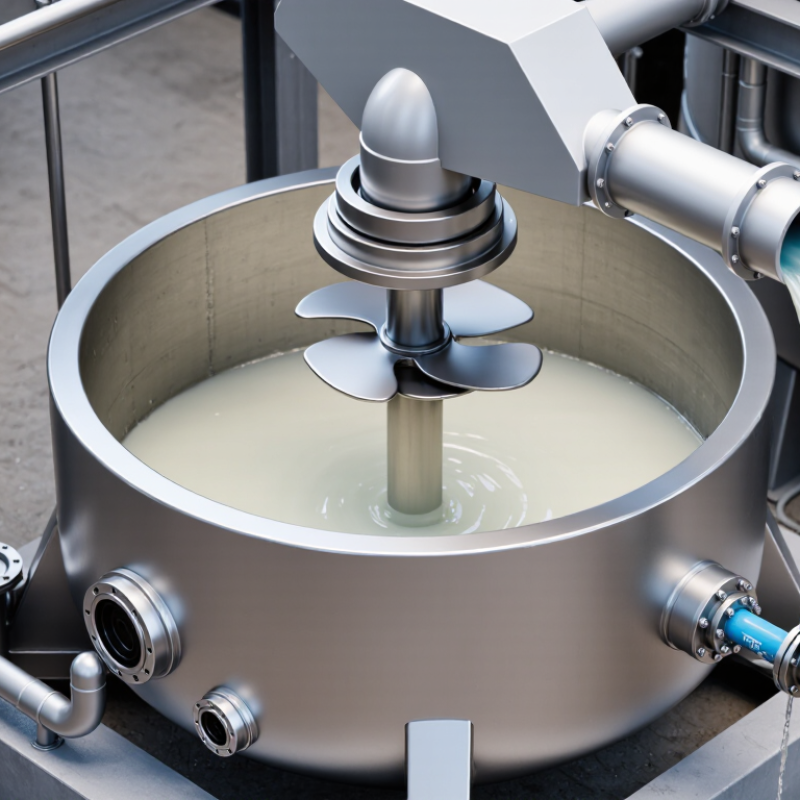
A hydrated lime mixer is equipment that blends hydrated lime powder with water to make a consistent slurry. It commonly has a mixing tank, an agitator, and a controlled way to add powder and water. As the blades turn, they help disperse the fine lime particles and limit settling. The aim is a smooth, workable mixture, not simply a tank of cloudy water. Details matter. A batch that looks uniform at the surface may still contain settled material below, so operators check the mixture during preparation.
These mixers are used in water treatment, construction, and other processes that require lime slurry. In water treatment, the prepared mixture can be metered into a process for pH adjustment. At a worksite, it may be prepared for a specified application rather than mixed by hand. The mixer itself does not determine the correct dose; that depends on the process and operating instructions. Powder can become airborne during loading, so enclosed feeding and suitable dust controls are practical safeguards. Real batches can behave differently as moisture and feed rates change. A small adjustment may be needed, and that is worth recording.
How Does a Hydrated Lime Mixer Work?
A hydrated lime mixer turns fine calcium hydroxide powder into a consistent slurry for controlled dosing. In a typical wet-mixing system, water enters a tank before lime is metered in. An impeller circulates the liquid, breaking up soft clumps and keeping solids suspended. The finished slurry can then be pumped to a treatment point. Dry-feed systems work differently: they blend powder into a process stream without first making a tank slurry. Not quite simple. Feed rate, water flow, and mixing energy all affect consistency. If powder enters too quickly, dry pockets or settled material can form.
The USGS Mineral Commodity Summaries 2024 estimated U.S. lime production at about 17 million metric tons in 2023; this figure covers lime overall, not hydrated lime alone. It signals the scale of a widely used industrial material, but does not set a mixer’s operating conditions. In drinking-water treatment, lime may help adjust pH; the U.S. EPA lists 6.5–8.5 as the secondary drinking-water pH range. Operators still need to test their own water, since alkalinity and temperature change how much lime is required. A clear-looking slurry can still contain settled solids. Check the tank bottom, feed line, and discharge regularly.
What Is a Hydrated Lime Mixer Used For—and How Does It Work?
A hydrated lime mixer blends calcium hydroxide powder with water to form a slurry. This chart shows the water required per 1 kg of dry hydrated lime at several solids concentrations, calculated on a mass basis. For example, a 10% solids slurry contains 1 kg of lime and 9 kg of water. Actual operating concentration depends on the application and equipment.
Which Materials Can It Process?
A hydrated lime mixer is designed to combine hydrated lime powder with water, producing a slurry or paste for controlled use. It can handle fine, dry lime that tends to create dust and form lumps when added too quickly. With steady agitation, water reaches more of the powder, helping create a smoother, more consistent mixture. The exact result depends on the mixer’s design, batch size, and mixing time.
Some systems can also blend hydrated lime with compatible mineral materials, such as cement, fly ash, or other dry additives used in formulated mixes. But not every mixer handles every recipe well. Coarse particles, sticky additives, or high-solids batches may strain the equipment or leave uneven pockets. One detail is easy to miss: a mixture can look uniform at the surface while heavier solids settle below.
Tips: Add powder gradually and follow the equipment maker’s operating guidance. Check the bottom and corners of the mixing vessel for dry deposits. Keep dust control in mind, and confirm that any added material suits both the application and the mixer. Small test batches help reveal problems early. Results may still vary.
What Is a Hydrated Lime Mixer Used For? - Which Materials Can It Process?
| Material | Typical Form | Common Mixing Purpose | Process Considerations |
| Hydrated lime (calcium hydroxide) | Dry powder | Blending, conditioning, or preparing lime for industrial use | Use dust containment and a mixer designed for fine powders. Lime is alkaline and can irritate skin, eyes, and airways. |
| Water | Liquid | Preparing lime slurry for pH adjustment or treatment processes | A wet-mixing or slurry system is needed. Control water addition to achieve the required concentration and avoid excessive dust during charging. |
| Fly ash | Dry powder | Producing blended materials for soil treatment or other engineered applications | Confirm the mix design and material compatibility; fly ash composition varies by source. |
| Portland cement | Dry powder | Blending binders for soil stabilization and construction-related mixes | Uniform distribution is important. The mixer and dust controls should be suitable for abrasive, fine powders. |
| Sand or mineral aggregate | Granular or dry bulk material | Preparing mortar, render, or other lime-containing construction mixes | Particle size and moisture affect mixing. A mixer must be selected for the aggregate size and batch consistency required. |
| Soil | Moist or dry bulk material | Distributing lime during soil modification or stabilization | Required lime dosage depends on soil properties and project testing. Mixing equipment must handle the soil’s moisture and lump size. |
| Wastewater or process water | Liquid | Dispersing lime for pH adjustment and precipitation of some dissolved contaminants | Use a slurry-preparation or liquid-mixing system with suitable agitation. Treatment performance depends on water chemistry and operating conditions. |
| Flue-gas treatment feed materials | Hydrated lime powder or lime slurry | Preparing reagent for acid-gas neutralization in emissions-control systems | Dry injection and slurry processes require different equipment; the mixer should match the selected treatment process. |
Selection note: A hydrated lime mixer may be designed for dry blending, slurry preparation, or both. Check the equipment’s intended feed type, capacity, moisture range, and dust-control provisions before processing materials.
What Are Its Main Industrial Uses?
A hydrated lime mixer prepares calcium hydroxide as a uniform slurry or blends it into an industrial process. Its main job is practical: prevent dry pockets, control consistency, and deliver lime evenly. In water and wastewater treatment, operators use the mixture to raise pH, neutralize acidic flows, and help remove dissolved impurities. A lumpy batch can mean uneven treatment.
Consistency matters.
The mixer also serves flue-gas treatment, mining, and construction. In scrubbers, hydrated lime slurry helps capture acidic gases; in mining, it can neutralize acidic water and adjust process conditions. Construction crews mix lime into soil to improve workability and stability. The U.S. Geological Survey’s Mineral Commodity Summaries 2025 estimates U.S. lime production at about 17 million metric tons in 2024. That figure includes lime products broadly, not hydrated lime alone, but it shows the scale of industrial demand. A mixer does not guarantee good treatment by itself. Water quality, feed rate, and residence time still need attention, and real plants sometimes need to adjust settings after testing.
What Factors Guide Mixer Selection and Safe Operation?
A hydrated lime mixer is used to disperse lime powder in water or blend it evenly into other materials. The right mixer depends on the process. A small batch for water treatment may need different equipment from a continuous slurry line. Check the required batch volume, target consistency, mixing time, and discharge method. Lime can form stubborn lumps when powder meets water too quickly. A controlled feed and suitable impeller can help, but actual performance should be verified with the intended materials.
Material compatibility matters. Hydrated lime is alkaline and can be abrasive, so confirm that wetted parts, seals, and liners suit the application. Match motor power and mixer geometry to the slurry’s thickness, not just the tank size. Keep guards in place, isolate power before clearing a blockage, and follow the equipment manual and lime supplier’s safety data sheet. Avoid raising dust during bag handling or charging. Use local dust extraction and suitable eye, skin, and respiratory protection based on the site assessment. Keep clean water available for emergency rinsing. Small details matter.
A tidy setup is not automatically a safe one. Check hoses, seals, and guards before each shift, and watch for leaks, unusual vibration, or settling during operation. Record changes in batch size or mixing time. One imperfect batch can reveal a process issue, but do not rely on appearance alone; use the quality checks required for the application.