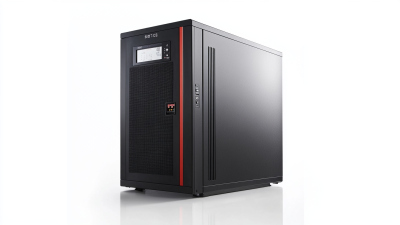
What is an Uninterruptible Power Supply and How Does It Work?
In today's fast-paced world, the need for reliable power is critical. An Uninterruptible Power Supply (UPS) serves as a lifeline for many businesses and homes. It ensures that essential devices stay powered, especially during outages. Whether it’s for crucial servers, medical equipment, or home electronics, a UPS offers peace of mind.
Understanding how a UPS operates can be enlightening. It typically uses batteries to provide backup energy instantly. This technology can prevent data loss and protect equipment. However, not all UPS units are created equal. Some users may overlook features like battery lifespan or capacity. Choosing the right UPS requires careful consideration and research.
Sometimes, we take power for granted. A sudden blackout can expose vulnerabilities. We might assume that outages won’t happen to us. However, countless organizations face this risk daily. Reflecting on how much we rely on electricity can drive home the importance of a UPS. It's a reminder that being prepared is essential.
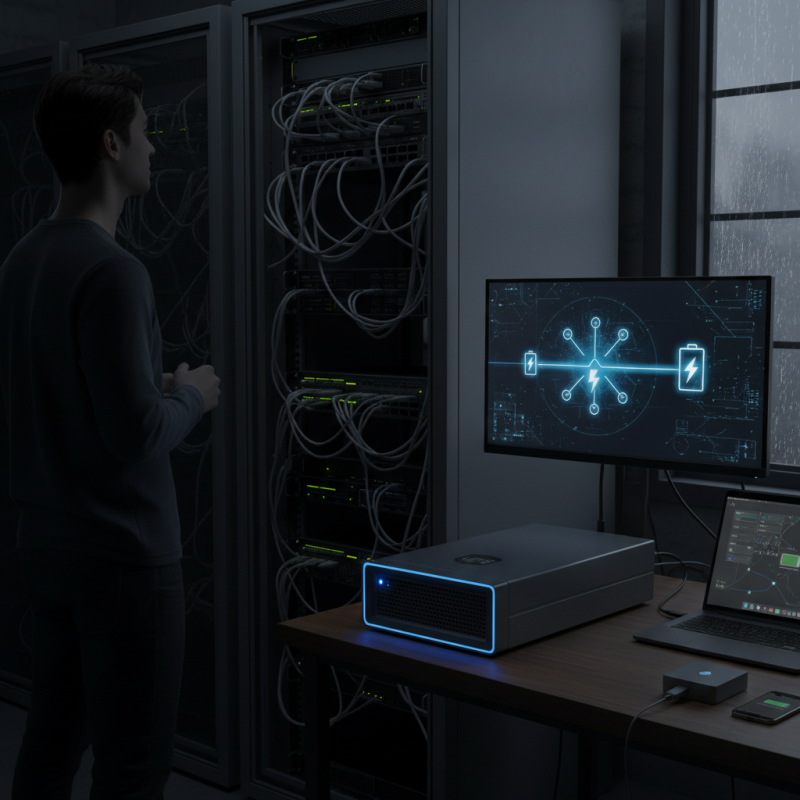
What is an Uninterruptible Power Supply (UPS)?
An Uninterruptible Power Supply (UPS) is a vital device for ensuring constant power. It provides backup electricity during outages. This prevents data loss and equipment damage. A UPS relies on batteries to maintain power. When electricity goes out, the UPS kicks in within milliseconds. This makes it crucial for sensitive electronics.
Many people overlook the importance of a UPS. They often think, “It won’t happen to me.” This mindset can lead to serious consequences. For example, power surges can also damage devices. A UPS can protect against that. Without one, you risk losing important work. A sudden blackout might corrupt files, causing frustration.
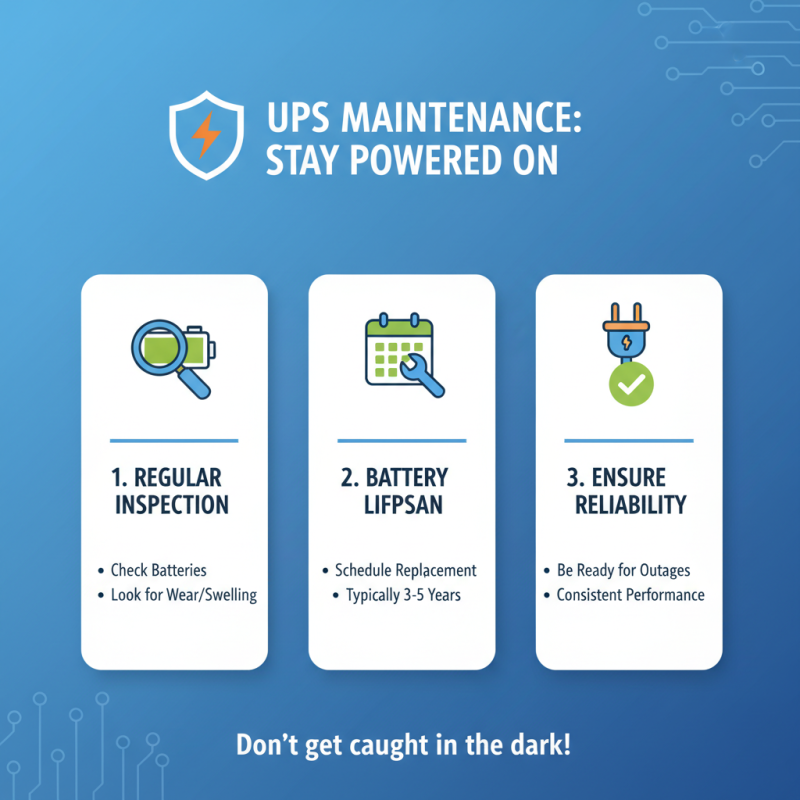
Tips: Regularly check battery health in your UPS. Replace batteries every few years for optimal performance. Test your UPS periodically to ensure it functions correctly. Remember, preparing for outages is better than scrambling for solutions after they occur.
What is an Uninterruptible Power Supply and How Does It Work?
| Dimension |
Description |
| Definition |
A device that provides backup power during electrical outages. |
| Functionality |
Maintains power by switching to battery when the main supply fails. |
| Types |
Standby, Line-Interactive, and Online UPS. |
| Components |
Batteries, inverter, rectifier, and control circuitry. |
| Applications |
Data centers, hospitals, and critical equipment. |
| Benefits |
Prevents data loss, ensures business continuity and equipment protection. |
The Different Types of Uninterruptible Power Supplies
Uninterruptible Power Supplies (UPS) come in different types, each serving unique functions. The most common types are Standby, Line-Interactive, and Online UPS systems. Standby UPS systems are often the simplest. They switch to battery power only during power failures. This quick response is vital for protecting sensitive electronics. However, some users find this type might not be sufficient during surges.
Line-Interactive UPS systems offer additional features. They regulate voltage fluctuations without switching to battery power. This can help maintain a stable output for devices. Businesses often prefer this type for its added reliability. Yet, it may not be the best choice for critical applications needing constant power.
Online UPS systems provide the highest level of protection. They continuously convert input power to DC and then back to AC. This process creates an uninterrupted power supply. Their complexity can lead to higher costs and maintenance. Some users may question if the investment truly aligns with their needs. Each type has its advantages and limitations. Choosing the right type often demands careful consideration of requirements and environments.
How Uninterruptible Power Supplies Work: Internal Components
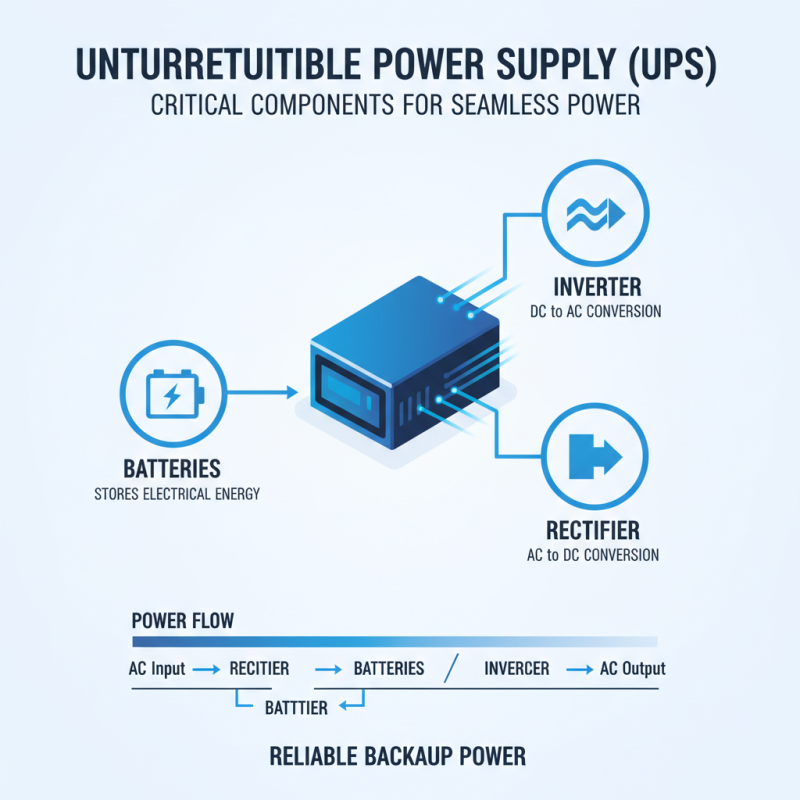
Uninterruptible Power Supplies (UPS) are critical for maintaining power during outages. Understanding their internal components reveals how they function. The main parts of a UPS include batteries, inverters, and rectifiers. These elements work together to provide seamless power.
Batteries store energy for immediate use. They act as the backbone of a UPS. When the main power source fails, the batteries kick in. Research shows that correctly sized batteries can last up to 30 minutes under load. However, many users install smaller batteries than needed. This leads to a rush for power during an outage, creating dissatisfaction.
The inverter converts stored DC power into AC power for your devices. It ensures that equipment receives the appropriate voltage. While most inverters function well, efficiency can be an issue. For instance, systems might lose 10-15% of energy during this conversion. Additionally, maintenance of these components is often neglected. This can result in failure when it's most needed. Understanding these components can highlight the importance of regular checks and proper sizing for optimal performance.
Applications and Benefits of Using a UPS
Uninterruptible Power Supplies, or UPS, play a crucial role in various applications.
In healthcare facilities, for instance, they ensure that vital medical equipment remains operational.
A power outage can jeopardize patient care. Hospitals rely on UPS systems to keep machines running seamlessly.
These systems can provide power instantly when needed.
Data centers also benefit significantly from UPS technology. They require constant power to maintain server uptime.
Any downtime can lead to data loss and financial repercussions. By using a UPS, organizations can safeguard against these issues.
It's not just about backup power; it's about maintaining stability and security.
In industrial settings, UPS units help manage essential operations. Equipment failure can result in costly delays.
By incorporating UPS solutions, industries reduce the risk of sudden outages.
However, not all UPS systems are well-maintained. Regular checks and updates are necessary to ensure they function correctly.
Without this, reliance on UPS can become a double-edged sword.
Maintenance and Best Practices for Uninterruptible Power Supplies
Uninterruptible Power Supplies (UPS) are crucial for maintaining power during outages. However, proper maintenance is key to their effectiveness. Regularly inspecting the batteries is essential. Look for signs of wear or swelling. A battery replacement schedule should be in place. This will ensure that your UPS can perform when needed.
Keeping the UPS clean can greatly improve its lifespan. Dust and debris can affect performance. Use a soft cloth to wipe down the exterior. Ensure vents are clear to prevent overheating. Additionally, test the UPS regularly. This often overlooked step can reveal underlying issues. A small test, like simulating a power outage, can uncover problems early on.
Monitoring the environment where the UPS is located is also vital. High temperatures can reduce battery life. Ideal conditions are cool and dry. Yet, many facilities overlook this aspect. Reflect on whether your equipment is in the best location for optimal performance. Plan for future upgrades, as technologies evolve quickly. The industry changes, and your equipment should evolve too.