Top Waste Bale Press Machines for 2026 What to Consider?
The demand for efficient waste management solutions continues to grow, driven by increasing environmental concerns. In 2021, the global waste management market was valued at over $330 billion, with projections suggesting a rise to $600 billion by 2030. Waste Bale Press Machines play a crucial role in this sector. These machines compact waste materials, reducing their volume and facilitating the recycling process.
Investing in Waste Bale Press Machines requires careful consideration of several factors. The performance, durability, and technology used in these machines significantly impact operational efficiency. According to industry reports, around 30% of waste remains untreated, underscoring the need for innovative solutions. As environmental regulations tighten globally, choosing the right waste press machine becomes imperative for businesses to ensure compliance and sustainability.
While many options exist, identifying the ideal Waste Bale Press Machine can be challenging. Factors like size, throughput capacity, and energy consumption must be evaluated. Many companies struggle with these variables, which can lead to costly mistakes. Revisiting your selection criteria regularly is essential, given the rapid evolution of this technology. Making informed choices today can pave the way for more effective waste management solutions in the future.
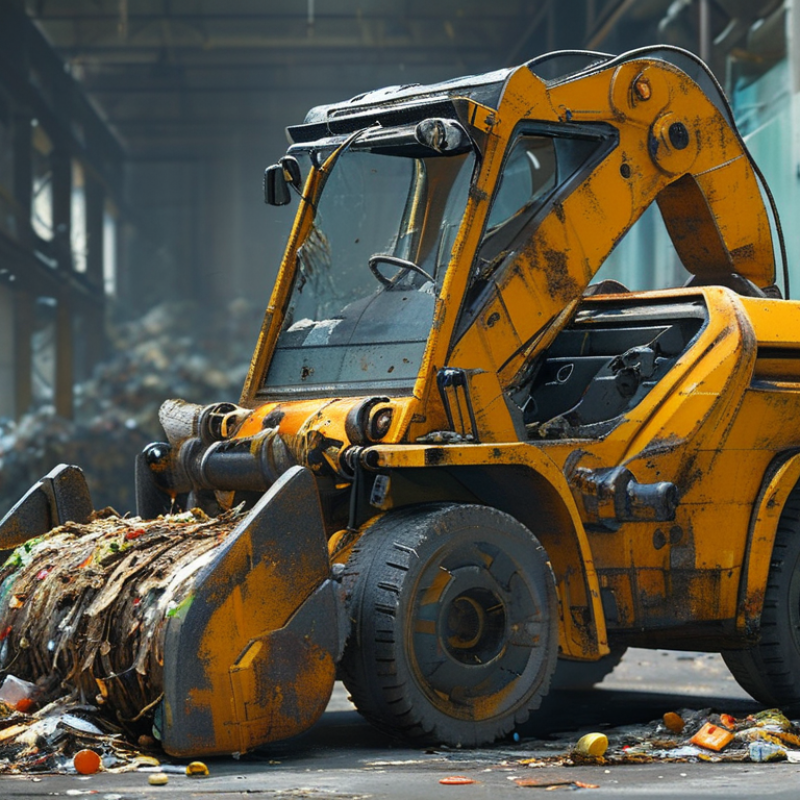
Top Features to Look for in Waste Bale Press Machines for 2026
When selecting a waste bale press machine for 2026, several key features stand out. Efficiency plays a vital role. Machines should provide fast compression cycles to maximize throughput. Look for models that offer adjustable pressure settings. This flexibility can accommodate various waste materials. Proper adjustments ensure optimal compaction and reduce energy consumption.
Safety features cannot be overlooked. Noticeable are emergency stop buttons and safety covers. These features protect operators and maintain a safe environment. Additionally, user-friendly interfaces help reduce training time. Operators can quickly learn to use the machine effectively.
Durability is essential. Machines must withstand regular use and harsh conditions. Choose those constructed from high-quality materials. Regular maintenance should be easy and accessible. Be mindful of the manufacturer's support and available resources. These factors contribute to long-term reliability and performance, but it’s important to reflect on your operational needs. Balancing features with budget constraints is a common challenge in this sector.
Key Industry Trends Impacting Waste Bale Press Machine Selection
The waste management industry is undergoing significant changes. Increasing regulations drive the need for more efficient waste bale press machines. By 2025, the global waste management market is projected to exceed $650 billion. Understanding these trends will guide equipment selection in 2026.
One major trend is the move toward automation. Advanced features are becoming essential. Automated machines improve efficiency and reduce labor costs. According to a report by MarketsandMarkets, automation in waste management could lead to a growth rate of 15% from 2023 to 2027. This makes it crucial to assess automation features when choosing machines.
Another important factor is sustainability. Machines that reduce energy consumption and enhance recyclability stand out. With more organizations prioritizing eco-friendly solutions, manufacturers are innovating. Nearly 70% of companies are investing in green technologies for waste management. Selecting machines that align with these values is becoming a priority. Such choices contribute to a more sustainable future while meeting regulatory requirements.
Top Waste Bale Press Machines for 2026 - Key Industry Trends Impacting Waste Bale Press Machine Selection
| Machine Model | Capacity (Tons/Hour) | Bale Size (mm) | Power (kW) | Features |
| Model A | 10 | 1200 x 900 | 30 | Automatic, Energy-efficient |
| Model B | 15 | 1100 x 850 | 35 | Compact Design, Low Noise |
| Model C | 20 | 1300 x 1000 | 40 | Smart Control, High Efficiency |
| Model D | 25 | 1400 x 1100 | 50 | User-friendly Interface, High Output |
Comparative Analysis of Leading Waste Bale Press Brands in 2026
When exploring the best waste bale press machines for 2026, it's crucial to analyze their features. Leading brands emphasize durability and efficiency. They often incorporate advanced technology for optimizing the bailing process, ensuring minimal energy consumption. The design of these machines varies significantly. You might find options with compact designs for space-limited facilities.
Consider the ease of operation. Machines equipped with user-friendly interfaces can significantly reduce training time for employees. Additionally, pay attention to the maintenance requirements. Some models require more frequent servicing, potentially leading to increased downtime and costs.
Tips: Look for machines that offer remote diagnostics. This feature can alert you to issues before they escalate. Always check user reviews for real-world insights. Understanding common challenges can guide your decision.
Another important aspect is the replacement parts availability. A machine's long-term success relies on maintaining operational components. Researching brands' warranties can reveal their confidence level in their products. Balancing initial investment and potential long-term savings is essential.
Sustainability Considerations for Waste Bale Press Machine Use
The use of waste bale press machines is growing due to increasing demands for sustainability. According to a report by the Global Recycling Foundation, recycling could reduce greenhouse gas emissions by up to 70% in some cases. These machines play an essential role in this process by compacting waste into manageable bales, making transportation more efficient. However, environmental considerations should be central to their design and operation.
Sustainability goes beyond just compression efficiency. It's crucial to assess energy consumption during operation. A study from the International Journal of Environmental Science indicates that machines with lower energy requirements can significantly lower the carbon footprint of waste processing. Moreover, the end-of-life impact of these machines is often overlooked. Materials used in construction and their recyclability should be considered. Manufacturers need to prioritize durable materials while ensuring they are recyclable.
While there's progress, the sector must acknowledge its challenges. Many machines still rely on non-renewable energy sources, making them less sustainable over time. Operators are encouraged to invest in technologies that use renewable resources. As the industry evolves, it will be vital to align machinery use with broader climate goals. The dialogue surrounding these machines must focus not just on efficiency but on their overall environmental impact.
Cost Efficiency Metrics for Investing in Waste Bale Press Machines
In the waste management industry, cost efficiency is a critical factor when considering waste bale press machines. According to a recent report by the International Waste Association, investing in high-quality bale press machines can reduce operating costs by up to 30% over their lifespan. This is an important metric for businesses looking to optimize waste processing and maximize profit margins.
Choosing the right investment hinges on factors like energy consumption and maintenance costs. Energy-efficient machines can significantly lower utility bills, providing an average savings of 20% in energy costs. Additionally, machines that require less maintenance not only reduce downtime but also prevent unexpected expenses. Evaluating these metrics helps businesses assess the total cost of ownership effectively.
Tip: Regularly review performance data to make informed investment decisions. Monitoring energy use and maintenance frequency can yield insights into your machine's efficiency. Another tip is to explore leasing options. Leasing allows companies to alleviate upfront costs while still enjoying access to top-tier technology. This approach provides flexibility, especially for businesses with fluctuating waste volumes.
Top Waste Bale Press Machines for 2026: Cost Efficiency Metrics