Top 5 Tips for Choosing the Best HVAC System?
Choosing the right HVAC system is crucial for comfort and efficiency in any space. With many options available, it can be overwhelming. An HVAC system maintains indoor climates, affecting our daily lives significantly. Selecting the best fit involves careful consideration of several factors.
Understanding your needs is essential. Do you require heating, cooling, or both? Energy efficiency ratings are also vital. A higher rating typically means lower bills. However, experts often emphasize that the initial cost should not be the only concern. A more efficient unit may save money in the long run.
Additionally, consider your space's size. An oversized unit can lead to higher energy use and humidity issues. On the other hand, a smaller system may struggle to keep up, reducing comfort. Finding balance is key. Researching brands and reading reviews helps you make informed choices. Expertise in HVAC systems can guide you toward the best decision.
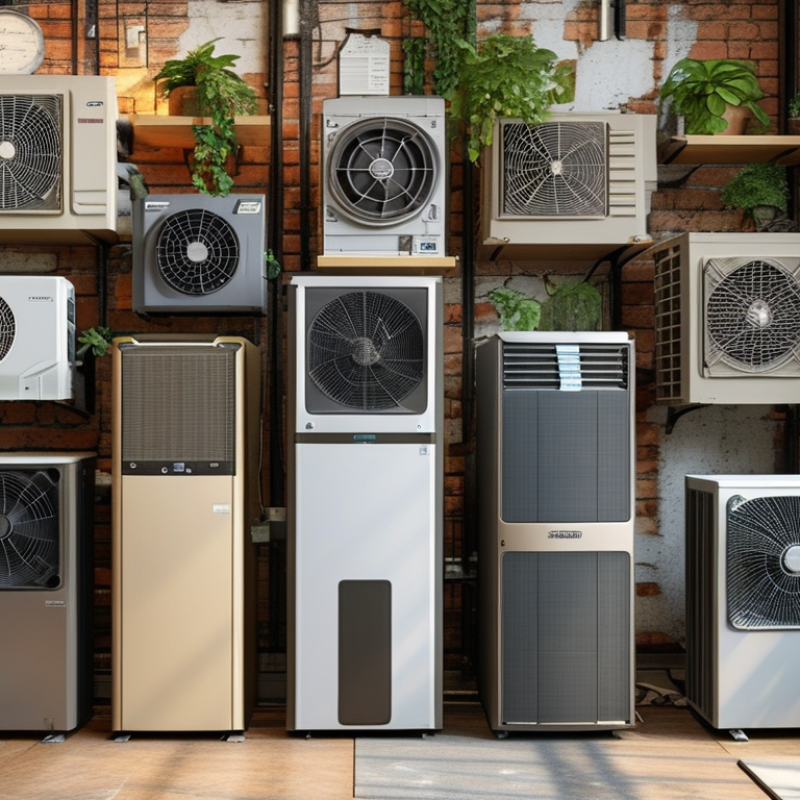
Understanding HVAC System Types: A Comprehensive Overview
When choosing an HVAC system, understanding its types is crucial. There are several options available, each with unique features. Central air conditioning systems are common for large homes. They effectively cool multiple rooms using a network of ducts. However, installation can be complex and costly.
Ductless mini-split systems offer flexibility. They do not require ducts, making them ideal for retrofits. These systems allow for temperature control in individual rooms, which can save energy. Yet, their upfront cost may deter some homeowners.
Heat pumps are versatile. They can provide both heating and cooling. They work by transferring heat rather than generating it. This process can be less efficient in extremely cold climates. Regular maintenance is necessary to keep them running smoothly. Each HVAC system type has pros and cons, requiring careful consideration based on your specific needs.
Evaluating Energy Efficiency Ratings: SEER and HSPF Explained
When selecting an HVAC system, energy efficiency is crucial. Understanding SEER and HSPF ratings is essential. SEER stands for Seasonal Energy Efficiency Ratio, while HSPF refers to Heating Seasonal Performance Factor. These metrics gauge how effectively the system uses energy throughout the year.
A higher SEER rating indicates better efficiency during cooling seasons. For example, a unit with a SEER rating of 16 is significantly more efficient than one rated at 13. Energy Star notes that a rating of 14 or higher can save homeowners over $1,000 in energy costs over the system's lifetime.
On the heating side, HSPF plays an important role. A heat pump with an HSPF of 8.5 will perform much better than one with a rating of 6.0. Research from the Department of Energy shows that choosing a system with a higher HSPF can lead to substantial savings in heating bills. However, many overlook these ratings. Consumers sometimes prioritize upfront costs instead of long-term efficiency. It's essential to reflect on these ratings for better decision-making.
Assessing Heating and Cooling Load Calculations for Your Space
When selecting the best HVAC system, understanding heating and cooling load calculations is vital. This assessment determines how much capacity your system needs. It considers factors such as the size and insulation of your space. Accurate calculations lead to efficient performance and energy savings.
Tip one: Assess your space's dimensions. Measure the square footage of each room. This helps determine the total heating and cooling needs. Remember, a larger space requires more power to maintain comfort.
Tip two: Consider airflow. Poor airflow can lead to uneven temperatures. Ensure vents and ductwork are unobstructed. Regular maintenance of these components is crucial for peak performance.
It’s essential to reflect on your habits. How many people usually occupy your space? External factors, like windows and shade, also play a role. Think about the unique features of your home. Adjustments might be necessary to find the perfect system.
Considering Installation Costs vs. Long-Term Savings in HVAC Choices
When considering HVAC systems, installation costs and long-term savings should be weighed carefully. A report from the U.S. Department of Energy emphasizes that 45% of a typical home's energy bill comes from heating and cooling. Each decision you make here can impact your finances significantly.
High-efficiency systems often come with a higher initial price tag. However, studies suggest they can save homeowners approximately 30% on energy bills over time. For instance, a high-efficiency furnace can reduce utility costs by around $400 annually. This means that while the upfront investment might be steep, it can pay off in about five to seven years. Yet, many homeowners underestimate ongoing maintenance costs, which can lead to unexpected expenses and reduced savings.
It's also essential to consider local climate conditions. In warm areas, cooling efficiency can be paramount. In colder regions, heating performance is crucial. Choosing the right system requires assessing personal comfort needs against potential energy savings. Each choice reflects different priorities and may lead to regret if not carefully evaluated. Balancing initial costs against long-term utility bills isn't straightforward. This decision can affect financial comfort for years to come.
The Importance of Regular Maintenance and Its Impact on System Longevity
Regular maintenance of HVAC systems is crucial for longevity. According to the U.S. Department of Energy, routine servicing can enhance system efficiency by up to 30%. This improvement translates into lower energy bills and a reduced carbon footprint. Proper care ensures that components like filters and coils function well, preventing breakdowns during peak seasons.
Neglecting maintenance can lead to significant issues. A study by the American Society of Heating, Refrigerating, and Air-Conditioning Engineers (ASHRAE) indicates that over 75% of HVAC failures stem from a lack of maintenance. This statistic highlights the importance of regular inspections. Simple tasks, like changing filters every 1-3 months, can prevent larger problems from developing.
Additionally, annual professional check-ups are vital. Technicians can identify potential issues early. They can check refrigerant levels and inspect ductwork for leaks. Both actions help maintain optimal performance and extend the system's life. Investing time and resources into regular maintenance can result in significant savings over the years.