
Blog

Who Are the Top Silicone Mat Roll Manufacturers in China?

Choosing a Silicone Mat Roll manufacturer in China takes more than comparing prices. Buyers need to examine material consistency, roll dimensions, surface finish, and production controls. A mat may look smooth in a sample, yet vary in thickness across a long roll. That difference matters. It can affect cutting, placement, and performance in the intended application.

This guide compares manufacturers through practical questions: What silicone grades and custom sizes are available? Can suppliers explain their inspection process and provide clear product specifications? Do their samples match the stated requirements? These checks help separate polished claims from useful evidence. A low quote alone tells little.

For transparency, the named expert below is fictional, and the quotation is an editorially created summary—not a verified statement from a real person. Fictional silicone-processing specialist Lin Wei offers this reminder: “A reliable roll starts with consistent material, not a convincing sample.” Treat it as a buying principle, not a documented industry quotation. The comparison that follows focuses on product range, customization, quality information, and communication. No single supplier suits every project. Requirements differ, and this overview should prompt careful verification before a purchasing decision.
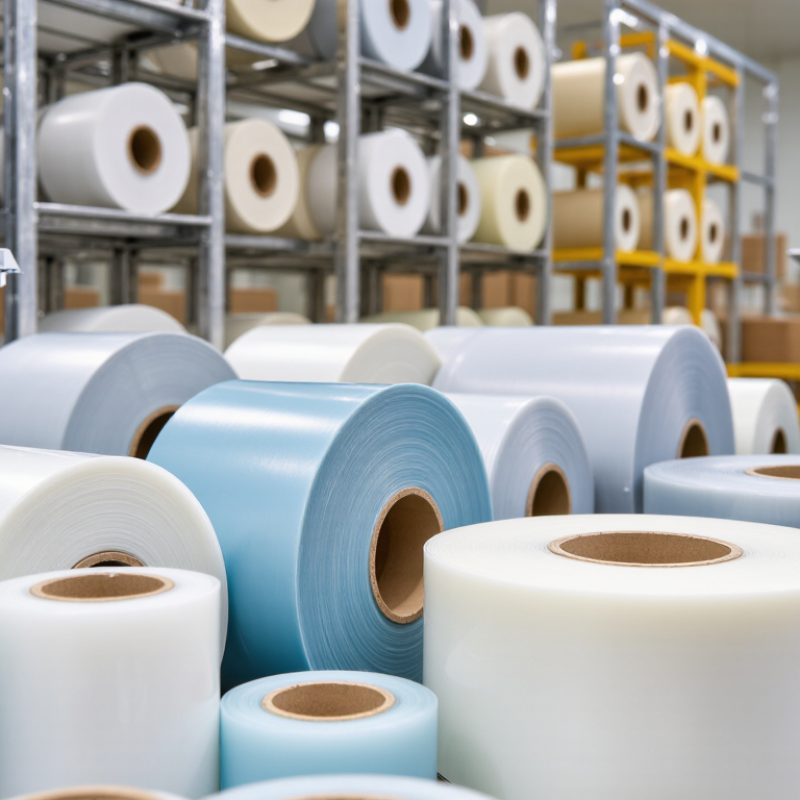
Who Are the Top Silicone Mat Roll Manufacturers in China?

What Defines a Leading Silicone Mat Roll Manufacturer in China?

A leading silicone mat roll manufacturer is defined by repeatable material quality, not polished sales language. Buyers should ask how the factory controls silicone mixing, curing, thickness, and roll tension. Small variations matter: a mat that curls at the edge or sticks unevenly can slow packing and converting. Consistency is visible.

Reliable manufacturers can explain their inspection process and provide clear specifications for width, thickness, hardness, and surface finish. Ask for test data relevant to the intended use, such as heat resistance or tensile performance. For food-contact applications, request applicable material documentation and verify that it matches the product being supplied. Records should be specific, not vague. A sample roll also helps reveal handling issues that a data sheet may miss.

Production capacity matters, but so does honest communication about limits. Can the supplier discuss custom dimensions, lead times, and acceptable tolerances before an order is placed? Can they explain how defects are recorded and addressed? These details reflect practical experience. Even a capable factory may need adjustments after a first trial; that is worth acknowledging. A thoughtful manufacturer listens to feedback, investigates the cause, and documents agreed changes instead of promising perfection.

Key Supplier Evaluation Metrics: Shore A 20–80 and Roll-Width Options

A silicone mat roll should be evaluated by its working feel, not just its catalog range. Shore A 20–80 covers soft, flexible sheets through firmer, more supportive material. ASTM D2240 sets out a durometer method for measuring hardness, but a Shore A number alone cannot predict grip, compression, or service life. Ask for a sample and test it under your actual load and temperature. Small detail. It matters.

Roll width affects scrap, handling, and how cleanly a mat fits a work surface. Ask suppliers to state usable width, thickness tolerance, and whether edges are trimmed or left uneven. Grand View Research estimated the global silicone market at USD 18.5 billion in 2023 and projected a 7.7% compound annual growth rate for 2024–2030. That market context signals broad demand, not that every roll supplier offers consistent quality. Verify measurements on a delivered sample.

Tips: Match hardness to the job: softer grades can conform around light surface irregularities, while firmer grades may hold shape better. Confirm width in writing, then measure the sample yourself. I would not choose on price alone; an awkward width can create more waste than expected.

Who Are the Top Silicone Mat Roll Manufacturers in China? - Key Supplier Evaluation Metrics: Shore A 20–80 and Roll-Width Options
Evaluation Metric Comparison Data or Requirement What to Request from Each Supplier How to Evaluate
Shore A hardness Compare products across the requested Shore A range of 20–80. Hardness should be specified for each offered material or grade. Technical data sheet stating the nominal hardness, test method, and any stated tolerance. Compare like-for-like grades and confirm the test method. ASTM D2240 is a commonly used durometer hardness test method; do not treat different test conditions as directly comparable.
Roll-width options Record the exact available widths for each product. There is no single universal roll-width range that applies to all manufacturers. Width list, maximum producible width, usable width, and whether custom widths are available. Check that the usable width meets the application and confirm whether edge trim or width tolerances affect the delivered dimension.
Thickness options Compare the supplier’s available thicknesses against the required finished thickness; availability varies by product and production capability. Thickness range, tolerance, measurement method, and sample dimensions. Request a sample or inspection record for the specified thickness rather than relying on a general product description.
Roll length and winding Compare quoted roll length, winding direction, core dimensions, and packaging for the same width and thickness. Standard and custom roll lengths, core size, roll diameter, and packing details. Confirm that roll dimensions suit storage, transport, and downstream converting equipment.
Material and construction Confirm the silicone material type and whether the mat is solid, sponge, reinforced, coated, or otherwise constructed. Material description, construction details, and any relevant technical data sheet. Match the construction to the intended use; do not assume products described simply as “silicone” have the same properties.
Temperature and application suitability Compare the supplier’s stated operating-temperature information with the conditions required for the application. Documented temperature range and any stated limitations for continuous or intermittent use. Use product-specific documentation and confirm suitability for the actual exposure conditions.
Dimensional quality control Review controls for width, thickness, roll length, and hardness consistency. Inspection procedure, measurement records, and the supplier’s stated tolerances for the quoted product. Compare documented controls and tolerances; request written acceptance criteria before placing an order.
Compliance and documentation Assess documentation against the destination market and intended application requirements. Applicable declarations, test reports, material documentation, and traceability information, where relevant. Verify that each document covers the exact material or grade being quoted; requirements depend on the application and market.
Sampling and customization Compare sample availability and the supplier’s ability to meet the required hardness, dimensions, and construction. Sample lead time, customization options, minimum order quantity, and any setup charges. Approve a representative sample and written specification before confirming production details.
Quotation and lead time Compare pricing only for the same specification, order quantity, packaging, and delivery terms. Itemized quotation, production lead time, quotation validity, shipping terms, and payment terms. Use a common request-for-quotation specification so that quotes are directly comparable.

How Silicone Mat Rolls Are Made: Compounding, Calendering, and Curing

Silicone mat rolls begin with compounding, where silicone rubber is mixed with reinforcing silica, pigments, and a curing system. The recipe affects softness, tear resistance, color, and release behavior. According to Grand View Research’s silicone market report, the global market was valued at about USD 18.5 billion in 2023, with a projected 6.1% compound annual growth rate from 2024 to 2030. This broad market figure does not measure mat-roll output, but it reflects demand for silicone materials across industries.

Next, calendering presses the compound through heated or temperature-controlled rollers. The gap between rollers helps set sheet thickness; operators also watch for edge waves, trapped air, and uneven color. A small thickness variation can become obvious across a wide roll. Then the sheet is cured, commonly through a controlled heat process that crosslinks the silicone. Time and temperature need close control: under-curing can leave the surface tacky, while excessive heat may affect color or flexibility. Details vary by formulation and equipment.

After curing, manufacturers inspect the sheet for surface flaws and thickness consistency before slitting and winding it onto cores. Simple steps, really. But roll tension matters: winding too tightly can distort the sheet, while loose winding invites wrinkles. ASTM D412 provides tensile-test methods for rubber materials, useful for checking strength, though it does not replace process-specific inspection. No single test tells the whole story.

How Silicone Mat Rolls Are Made

Representative temperature windows across compounding, calendering, and curing

Silicone compounds are mixed before being formed into a continuous sheet by calendering. The sheet is then cured to develop its final properties. Temperatures shown are general illustrative ranges; actual settings vary with the silicone formulation, equipment, and cure system.

Food-Contact Compliance: FDA 21 CFR 177.2600 and Material Traceability

For silicone mat rolls, food-contact claims need more than “FDA compliant” on a product sheet. Ask whether the finished article is intended for repeated food contact and whether the supplier evaluates it against applicable requirements in 21 CFR 177.2600. That distinction matters. Suitability depends on the formulation, processing, food type, contact time, and temperature. A broad claim cannot replace evidence for the actual mat.

Request test reports or other supporting records that identify the tested material and conditions. Check that the roll’s color, thickness, and surface finish match the documented product. Small changes can matter. A clear declaration should state the intended use and any limits, such as maximum temperature or contact duration. Paperwork can still leave gaps, so compare it with the product specification.

Material traceability helps connect each roll to its production history. Look for lot numbers linked to silicone suppliers, pigment batches, and manufacturing dates. Ask how the producer controls substitutions and handles nonconforming batches. Keep the records with incoming inspections. Even careful systems can miss details, so verify that labels and documents agree before production use.

Comparing Chinese Manufacturers by Capacity, Customization, and Quality Control

When comparing silicone mat roll manufacturers in China, stated output is only a starting point. A factory may list high monthly capacity, yet the useful question is whether it can maintain stable thickness and color across repeat orders. Ask for daily production figures, typical lead times, and how capacity changes during peak periods. A busy line is not automatically a reliable one.

Customization should be assessed in practical terms. Can the supplier adjust roll width, thickness, surface texture, and edge finish without making small orders uneconomical? Request a sample cut from a production run, not only a polished showroom piece. Check whether it lies flat after unrolling and whether its dimensions match the specification. Small differences matter when mats feed into downstream cutting or packaging.

Quality control deserves specific questions. Ask how incoming silicone and colorants are checked. A credible process includes batch identification, in-process thickness checks, and finished-roll inspection. Request relevant test records for heat resistance and food-contact use, where applicable; vague claims are not enough. One uncomfortable point: buyers sometimes accept a low quote before defining tolerances. That can create costly disputes. I would compare written specifications and a trial order alongside price. Even careful suppliers can miss defects.