
Top 10 Screw Dry Vacuum Pumps for Global Buyers
Choosing the right Screw Dry Vacuum Pump requires more than comparing catalog specifications. Global buyers must examine pumping speed, ultimate pressure, vapor handling, energy use, noise, maintenance, and regional service support. A pump that performs well in a clean semiconductor line may struggle with wet packaging processes or corrosive chemical vapors.
Vacuum technology specialist Dr. John F. O’Hanlon has emphasized, “The ultimate pressure is not the only criterion for selecting a vacuum pump.” This practical view guides our selection. Real experience matters. Operators notice oil-free chambers, stable pressure readings, cooler exhaust lines, and fewer maintenance interruptions. Procurement teams notice electricity costs, spare-part availability, warranty terms, and technician response times.
Small details matter.
This Top 10 Screw Dry Vacuum Pump guide compares leading options for manufacturers, distributors, and engineering buyers across different markets. Each model is considered through measurable performance and everyday operating demands. We examine pumping capacity, dry compression design, sealing reliability, control systems, footprint, and total ownership cost. Some pumps appear efficient on paper but require careful inlet protection. Others offer strong chemical resistance yet carry higher purchase prices.
No ranking is perfect. Application conditions differ. A laboratory may value low vibration, while a coating factory may prioritize continuous operation and fast vapor recovery. Buyers should verify test conditions, local voltage compatibility, certification requirements, and after-sales support before ordering. The best Screw Dry Vacuum Pump is not always the most powerful model. It is the one that remains reliable when the process becomes demanding.
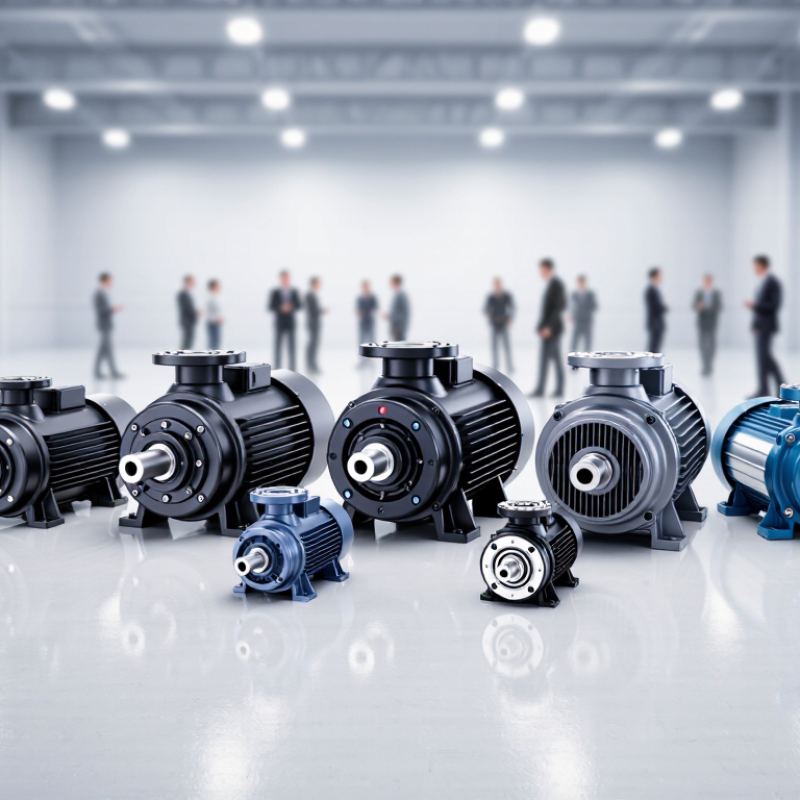
Screw Dry Vacuum Pumps Explained: Oil-Free Operation Below 1 mbar
Top 10 Screw Dry Vacuum Pumps for Global Buyers
Screw dry vacuum pumps create vacuum without oil entering the process chamber. Their rotating screw profiles compress gas through several stages, often reaching pressures below 1 mbar. This oil-free path helps protect sensitive products, especially in laboratories, coating systems, semiconductor processing, and chemical drying. Clean operation matters.
Stable performance depends on more than the advertised ultimate pressure. Gas load, vapor content, inlet temperature, and leakage can change results quickly. Water vapor may condense inside a cold pump, reducing efficiency and increasing corrosion risk. A controlled purge can help remove moisture. However, no pump performs perfectly under every condition. Selection is sometimes more complicated than a specification sheet suggests.
Tips: Check the required working pressure, not only the lowest pressure. Confirm pumping speed at your operating range. Ask about vapor tolerance, purge settings, noise, cooling, and service intervals. Install suitable filtration when dust or powder may enter the inlet. Monitor pressure near the chamber, because long pipes can hide performance losses. A slightly oversized pump may improve recovery time, but excessive capacity can raise energy use. Review maintenance access before purchase. Small practical details often decide long-term reliability.
Top 10 Screw Dry Vacuum Pumps for Global Buyers - Screw Dry Vacuum Pumps Explained: Oil-Free Operation Below 1 mbar
Representative screw dry vacuum pump configurations ranked by common industrial use cases, pumping capacity and suitability for operation below 1 mbar.
| Rank | Typical Configuration | Nominal Pumping Speed | Typical Ultimate Pressure | Motor Power Range | Cooling Method | Gas-Ballast / Process Capability | Common Applications | Best Buyer Profile |
|---|---|---|---|---|---|---|---|---|
| 1 | High-capacity variable-speed screw pump | 500–1,000 m³/h | 0.001–0.01 mbar | 18.5–45 kW | Water-cooled | Continuous-duty service; optional purge gas | Central vacuum systems, semiconductor support systems, large coating chambers and industrial evacuation | Large facilities requiring stable flow, low operating pressure and reduced energy consumption at partial load |
| 2 | Medium-capacity process screw pump | 250–500 m³/h | 0.005–0.05 mbar | 11–30 kW | Water-cooled or air-cooled | Suitable for condensable vapor with controlled gas ballast | Chemical processing, vacuum drying, solvent recovery and thermal treatment | Factories needing a balance between throughput, process tolerance and low ultimate pressure |
| 3 | Compact laboratory screw pump | 60–150 m³/h | 0.01–0.1 mbar | 3–7.5 kW | Air-cooled | Moderate vapor handling; purge connection recommended | Laboratory vacuum lines, analytical instruments, research chambers and pilot equipment | Research users prioritizing compact dimensions, low noise and easy installation |
| 4 | Corrosion-resistant process screw pump | 100–300 m³/h | 0.01–0.1 mbar | 7.5–18.5 kW | Water-cooled | Protective purge gas; corrosion-resistant internal surfaces | Acid vapor service, specialty chemicals, pharmaceutical processing and aggressive gas evacuation | Buyers who need oil-free operation and materials selected for chemically demanding processes |
| 5 | High-temperature drying screw pump | 150–400 m³/h | 0.01–0.1 mbar | 11–30 kW | Water-cooled | Designed for vapor-rich duty with staged purge and inlet protection | Vacuum drying, freeze-dryer support, food dehydration and moisture removal | Processes releasing significant water vapor or solvent vapor during pump-down |
| 6 | Fast roughing and backing screw pump | 300–800 m³/h | 0.01–0.1 mbar | 15–37 kW | Water-cooled | High gas throughput; commonly paired with booster pumps | Vacuum furnaces, metallurgy, large chambers and booster-pump backing duty | Operations requiring rapid pump-down from atmospheric pressure and high gas-handling capacity |
| 7 | Low-noise air-cooled screw pump | 40–120 m³/h | 0.03–0.1 mbar | 2.2–5.5 kW | Air-cooled | Light to moderate vapor service; external filtration advised | Packaging, small vacuum systems, woodworking, electronics assembly and workshops | Installations without cooling-water infrastructure or with limited floor space |
| 8 | Cleanroom-compatible dry screw pump | 80–250 m³/h | 0.005–0.05 mbar | 5.5–15 kW | Water-cooled or low-particle air-cooled | Oil-free exhaust; low backstreaming and controlled purge operation | Flat-panel production, photovoltaic manufacturing, semiconductor and precision coating | Buyers requiring clean vacuum conditions and strict control of hydrocarbon contamination |
| 9 | Heavy-duty abrasive-gas screw pump | 100–350 m³/h | 0.02–0.1 mbar | 11–30 kW | Water-cooled | Protective purge, replaceable inlet filter and abrasion-resistant components | Powder handling, ceramics, battery materials, plasma processes and dusty production environments | Industrial users seeking long service intervals in particle-laden vacuum applications |
| 10 | Oil-free food and pharmaceutical screw pump | 50–200 m³/h | 0.01–0.1 mbar | 4–15 kW | Air-cooled or water-cooled | Oil-free compression; sanitary installation options and vapor ballast | Vacuum packaging, pharmaceutical drying, clean transfer systems and food processing | Manufacturers prioritizing product protection, oil-free operation and simplified maintenance |
Technical note: Values are typical engineering ranges for oil-free screw vacuum pump configurations and can vary with inlet temperature, gas composition, vapor load, purge flow, rotational speed and measurement standard. “Below 1 mbar” indicates that these configurations are designed to operate well below 1 mbar under suitable conditions; actual performance should be confirmed using the supplier’s published performance curve and test method.