Top Gas Filtration Devices for Global Buyers Looking to Purchase
Gas filtration devices are critical in various industries. They play a key role in protecting workers and the environment. According to recent market analysis, the global gas filtration market is projected to grow significantly, driven by increasing environmental regulations and industrial demands.
In 2022, the gas filtration market was valued at approximately $7 billion. By 2030, this figure is expected to reach over $10 billion, highlighting a steady growth trajectory. This growth stems from stringent regulations on air quality and rising awareness among consumers about health impacts. The right gas filtration device can make a significant difference in ensuring compliance.
However, selecting the right device is not straightforward. Many buyers face challenges due to the variety of options available. Each application has unique requirements, which can complicate the purchasing process. Understanding the features and benefits of different models is essential. The ideal choice should balance efficiency, cost, and specific industry needs. Buyers should seek reliable information to inform their decisions.
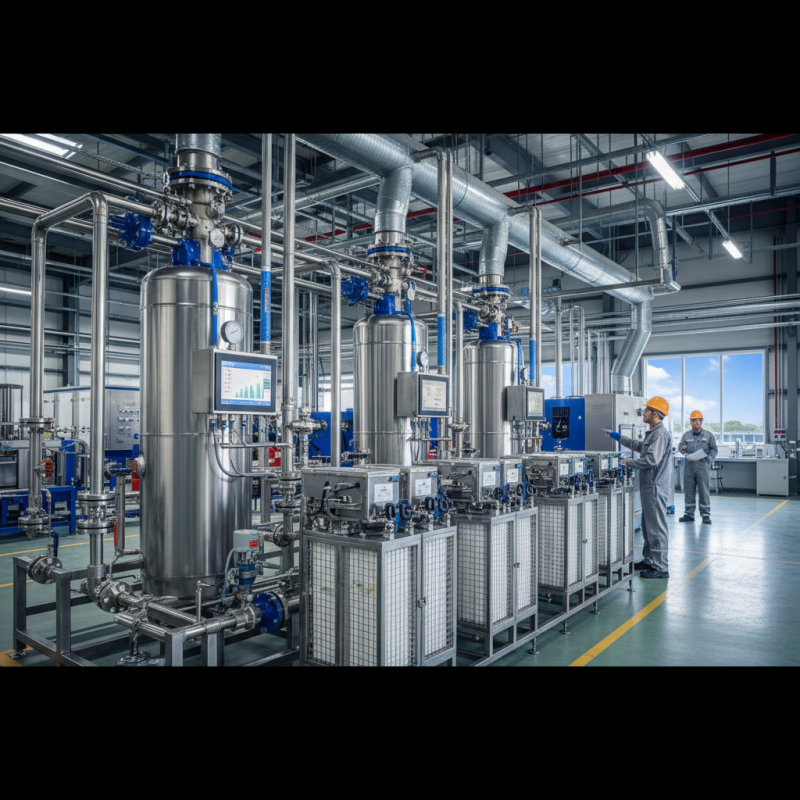
Top Gas Filtration Technologies for Effective Air Quality Management
Effective air quality management is essential for public health and environmental protection. Recent studies reveal that air pollution causes approximately 7 million premature deaths annually. This alarming statistic underscores the importance of advanced gas filtration technologies. These solutions play a critical role in reducing airborne pollutants.
Common technologies include activated carbon filters, electrostatic precipitators, and HEPA filters. Each of these methods has unique advantages. For example, activated carbon can efficiently capture volatile organic compounds and odors. However, it may require frequent replacement to maintain efficacy. Electrostatic precipitators are effective for particles but can struggle with gaseous pollutants. Balancing the strengths and weaknesses of these technologies is crucial for optimal performance.
Data from the World Health Organization indicates that more than 91% of the global population lives in areas with unhealthy air. This highlights a significant need for reliable gas filtration systems. While many buyers seek high-efficiency solutions, they should consider maintenance and operational costs. Understanding these aspects can lead to more informed purchasing decisions. Selecting the right technology involves a careful evaluation of specific air quality challenges.
Top Gas Filtration Devices for Global Buyers Looking to Purchase
| Device Type | Filtration Technology | Efficiency (%) | Application | Maintenance Frequency (Months) |
| HEPA Filter | High-Efficiency Particulate Air | 99.97 | Residential/Commercial HVAC | 6 |
| Activated Carbon Filter | Adsorptive Filtration | 85 | Odor Control | 12 |
| Cyclone Separator | Mechanical Filtration | 70 | Industrial Dust Collection | 18 |
| Electrostatic Precipitator | Electrostatic Filtration | 95 | Power Plants | 24 |
| Biofilter | Biological Filtration | 90 | Wastewater Treatment | 12 |
Key Specifications to Consider When Choosing Gas Filtration Devices
When selecting gas filtration devices, understanding key specifications is crucial. Efficiency is a primary factor. Reports indicate that high-efficiency particulate air (HEPA) filters can capture up to 99.97% of particles measuring 0.3 microns. This level of efficiency is vital for industries that handle toxic gases or particulate matter. Additionally, consider the filter's lifespan. A shorter lifespan means more frequent replacements, leading to increased operational costs.
Media type also plays a significant role. Various materials, such as activated carbon or membrane filters, are designed for specific applications. Activated carbon is effective at removing volatile organic compounds (VOCs), while membrane filters excel in gaseous substance separation. Buyers should analyze their specific needs to select the most suitable media type.
Tips: Always validate the filtration efficiency with independent test reports. Don’t rely solely on manufacturer claims to ensure performance. Regular maintenance schedules should also be in place to avoid unexpected downtimes and maintain efficiency. Remember to consider the physical space where the device will be installed. A mismatch can lead to poor air quality and operational issues.
Market Trends: The Growing Demand for Advanced Gas Filtration Systems
The demand for advanced gas filtration systems is on the rise. According to a recent market report, the global gas filtration market is projected to reach USD 12 billion by 2025. This growth is driven by concerns over air quality and environmental regulations. Companies are seeking effective solutions to minimize harmful emissions.
Emerging technologies play a crucial role in this trend. Manufacturers are developing high-efficiency particulate air (HEPA) filters that capture even the smallest pollutants. New innovations improve filtration rates while reducing energy consumption. Interestingly, there is also a growing interest in modular filtration systems. These systems offer flexibility in various industrial applications.
However, challenges exist. Not all industries have adopted these advanced technologies at the same pace. Smaller businesses may struggle with the costs associated with upgrading their systems. Additionally, a lack of standardized regulations in some regions complicates the market landscape. As customer awareness increases, companies must address these obstacles to harness the full potential of advanced gas filtration solutions.
Top Gas Filtration Devices Market Trends
Environmental Regulations Impacting Gas Filtration Device Purchases
Environmental regulations are shaping the gas filtration device market significantly. As governments worldwide tighten emission standards, manufacturers must adapt. A report from the International Energy Agency notes that the global market for air filtration is projected to reach $15 billion by 2025. This growth will be largely driven by the need to comply with stricter regulations.
In Europe, the European Union mandates reductions in nitrogen oxides and particulate matter emissions. These regulations force industries to adopt efficient gas filtration solutions. According to a study from the European Commission, non-compliance could result in penalties of up to $15 billion of annual revenue. Companies face pressure to invest in advanced filtration technology to avoid these fines.
In contrast, some regions may lag due to less stringent regulations. This disparity creates a patchwork of compliance across markets. Some manufacturers may hesitate to upgrade their systems, raising concerns about long-term sustainability. Industry experts emphasize that this reluctance could lead to further environmental degradation and increased operational costs. Balancing financial concerns with regulatory compliance remains a critical challenge for global buyers in the gas filtration sector.
Global Market Insights: Leading Manufacturers in Gas Filtration Solutions
Gas filtration solutions play a pivotal role in enhancing air quality across various industries. The global market has seen numerous manufacturers stepping up to provide advanced gas filtration devices. These manufacturers specialize in designing systems that effectively remove impurities and harmful gases. Their products vary in size and complexity, catering to different industrial needs.
**Tip:** Evaluate the specific gas contaminants your industry faces. Tailoring your filtration system accordingly can improve efficiency.
The quality of a gas filter directly impacts operational efficiency. Choosing a reliable manufacturer ensures ongoing support and access to the latest technologies. Many leading firms prioritize research and development, aiming to innovate and meet evolving standards. However, product reliability can vary widely, requiring careful vetting.
**Tip:** Read customer reviews and seek third-party evaluations. This can provide insights into the performance of various brands.
It's essential for buyers to be aware of their unique requirements. Not every solution fits every application, and mismatched systems may lead to inefficiency. Engaging with industry experts can help narrow down the best options available. Researching suppliers will yield a better understanding of market trends and shifts in technology.