Top Frequency Converters for Efficient Power Management Solutions?
In today's rapidly evolving technological landscape, efficient power management is essential. Frequency Converters play a crucial role in optimizing energy use across various applications. These devices convert electrical energy from one frequency to another, ensuring compatibility between power systems and equipment. Businesses increasingly rely on frequency converters to enhance operational efficiency and reduce energy costs.
Choosing the right frequency converter can be challenging. Factors such as power capacity, phase, and application requirements influence decision-making. It's vital to understand how these converters work and their impact on performance. A well-selected frequency converter can lead to significant energy savings and a lower carbon footprint, highlighting the need for informed choices.
Moreover, the market offers a variety of frequency converters with distinct features. Users must consider durability and adaptability in their specific contexts. Some frequency converters may excel in specific applications but could fall short in others. This highlights the ongoing conversation about reliability and efficiency in power management solutions. Exploring the top frequency converters can aid in making smarter choices in energy management.
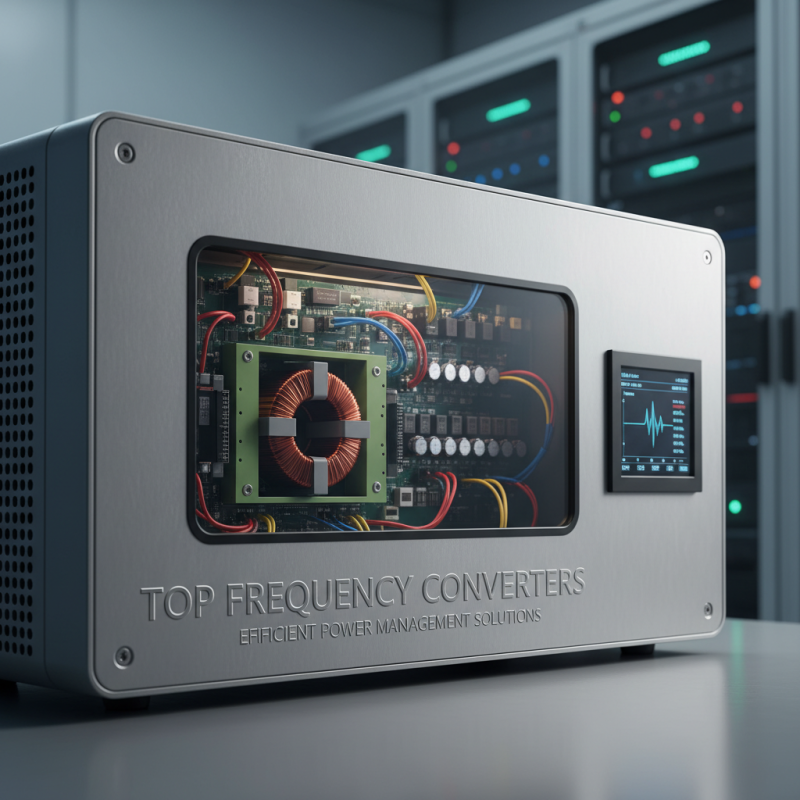
Top Features of Frequency Converters for Power Management Solutions
Frequency converters play a crucial role in efficient power management solutions. They adapt electrical energy to suit various applications. One key feature is their ability to stabilize output voltage. Stability is vital for preventing equipment damage. Reducing fluctuations leads to better performance in industrial operations.
Another important feature is adjustable frequency control. This allows for precise motor speed regulation. Control enhances energy efficiency and lowers operational costs. The ability to customize frequency settings is a game changer. Users can optimize performance based on specific needs.
Monitoring capabilities are also essential. Many converters provide real-time data on energy consumption. This helps in identifying inefficiencies. Users can make informed decisions to enhance performance. However, relying solely on data may lead to oversight. Balancing data analysis with hands-on assessments is crucial. This holistic approach ensures optimal power management.
Market Trends in Frequency Converters: Growth and Innovations
The market for frequency converters is experiencing significant growth and innovation. Recent industry reports estimate a compound annual growth rate (CAGR) of over 5.5% in the frequency converter market from 2021 to 2028. This growth is largely driven by the increasing demand for efficient power management solutions across various sectors, including renewable energy and industrial automation.
Innovations in technology are reshaping this landscape. Many converters now feature advanced digital control systems that enhance efficiency and reliability. These improvements can reduce energy loss and operational costs significantly. An estimated 20% reduction in energy consumption is achievable with the latest models, promoting sustainability in energy-intensive industries.
However, challenges persist. The integration of new technologies can be complex. Many industries face a knowledge gap regarding the implementation of cutting-edge systems. Moreover, regulatory compliance adds another layer of complexity for manufacturers and users alike. Continuing education and expert guidance are essential to navigate this evolving market and maximize the benefits of modern frequency converters.
Top Frequency Converters for Efficient Power Management Solutions
| Frequency Converter Type | Efficiency (%) | Power Range (kW) | Applications | Market Trend |
| Static Frequency Converters | 95-98 | 5-500 | Industrial Machinery | Growing Demand |
| Rotary Frequency Converters | 90-94 | 10-1000 | Commercial Applications | Moderate Growth |
| Modular Frequency Converters | 95-99 | 1-200 | Renewable Energy | Innovative Solutions |
| High Frequency Converters | 97-99 | 0.5-50 | Aerospace Electronics | Expanding Market |
| Traction Frequency Converters | 93-97 | 20-5000 | Railway Systems | Steady Increase |
Key Applications of Frequency Converters in Various Industries
Frequency converters play a pivotal role in various industries. They help manage power distribution efficiently and adapt to varying load requirements. In manufacturing, for example, studies show that using frequency converters can improve energy efficiency by up to 35%. This reduction in energy consumption significantly lowers operational costs.
In the renewable energy sector, frequency converters are essential for integrating fluctuating energy sources such as wind and solar. They transform variable frequency output into stable power, ensuring reliable supply to the grid. According to industry reports, the wind energy sector alone could increase its efficiency by 20% through improved frequency conversion technologies.
The transportation industry also benefits from frequency converters. They are used in electric vehicles to control motors effectively. However, issues like heat generation and energy losses can arise from inefficiencies in certain types of converters. The need for continuous innovation and upgrades in technologies is apparent, as the market demands more efficient solutions. Balancing efficiency with cost and reliability remains an ongoing challenge for engineers and developers.
Energy Efficiency Ratings and Standards for Frequency Converters
Frequency converters play a crucial role in managing power solutions efficiently. They help in converting one frequency to another, ensuring devices operate within their optimal parameters. The energy efficiency of these converters is vital for reducing electricity consumption. Understanding energy efficiency ratings and standards can guide users in selecting the right converter for their needs.
When considering a frequency converter, review its energy efficiency rating. Look for models with higher efficiency ratings to save on energy costs. Remember, not all converters meet the same performance benchmarks. Some may fall short in real-life applications. Consider the actual load requirements of your system. This ensures compatibility and enhances overall efficiency.
Tips: Check for certifications like IEC or IEEE to ensure reliability. Implement regular maintenance checks to keep the converter in top condition. Inconsistent performance can occur if maintenance is neglected. Investing time in understanding these factors can lead to the best choices for your power management needs. Energy standards evolve, so staying informed is essential.
Top Manufacturers and Their Leading Products in Frequency Converter Market
The frequency converter market is evolving rapidly, with many manufacturers striving for better efficiency and performance. Various companies focus on producing top-quality devices that cater to diverse industries. These converters can manage power more effectively, resulting in significant energy savings.
Leading manufacturers emphasize innovation in their design and technology. They invest in research to develop frequency converters that improve energy conversion rates and minimize losses. Many clients seek solutions that not only meet their current needs but also include future scalability. Each decision impacts performance, and companies must remain attuned to customer feedback for improvement.
Choosing the right frequency converter involves understanding specific requirements. Differences in applications require tailored solutions. As the market grows, the challenge lies in balancing performance with reliability. Continuous advancements mean that there is always room for reflection and improvement in product offerings. Finding a reputable source is essential for reliable performance, yet customers must critically assess their choices.
Top Frequency Converters for Efficient Power Management Solutions
This chart displays the market share of different types of frequency converters, illustrating the leading technologies in terms of efficiency and application. The data reflects the current trends in the frequency converter market.