What Are the Top Excavator Bucket Types in 2026?
An excavator bucket can turn the same machine into a trench cutter, rock handler, or grading tool. In 2026, choosing one means matching its shape, capacity, teeth, and wear protection to the material and task. A narrow trenching bucket leaves cleaner edges in compact soil. A wide clean-up bucket moves loose material across a finished surface. Rock buckets need stronger wear protection, but added steel also adds weight. Small details matter.
The U.S. Geological Survey’s Mineral Commodity Summaries 2025 estimated U.S. construction sand and gravel production at about 870 million metric tons in 2024. That scale helps explain why excavation and material handling remain demanding, varied jobs. Grand View Research’s excavator market report also forecasts continued market growth through 2030. These figures describe broader industries, not bucket sales or a universal ranking. That distinction matters.
This guide compares common bucket types by practical use: general-purpose, trenching, grading, ditching, rock, and skeleton designs. It also considers machine fit, ground conditions, and maintenance, since a bucket that looks suitable may still perform poorly on a particular job. There is no perfect type for every site. I would treat any “top” list as a starting point, not a verdict; local soil, operator experience, and available machine specifications can change the choice.
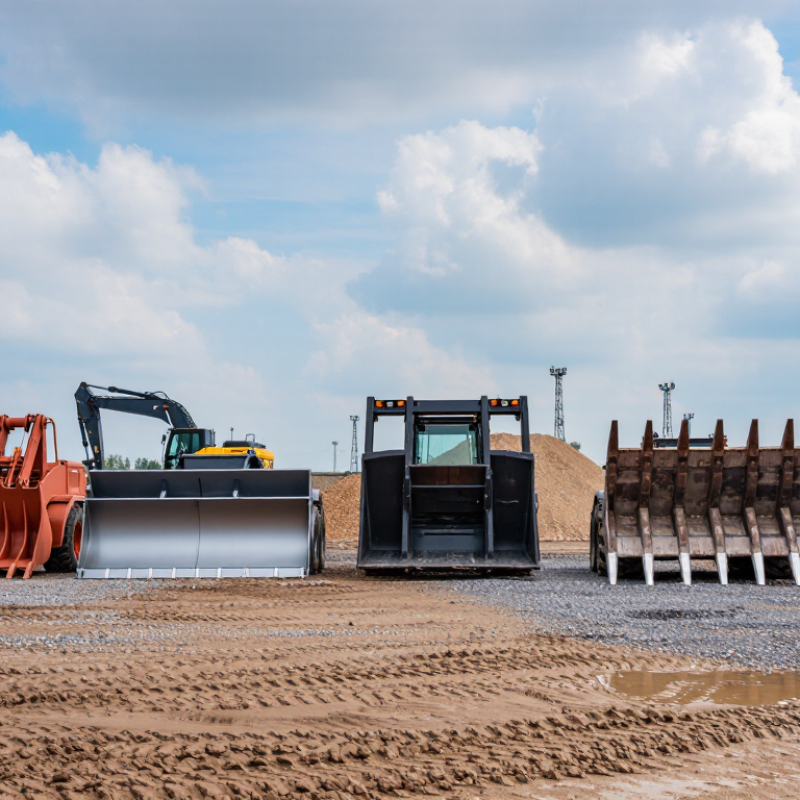
How Excavator Buckets Are Designed for Different Tasks
What Are the Top Excavator Bucket Types in 2026?
How Excavator Buckets Are Designed for Different Tasks
Excavator buckets are shaped around the material they must move and the space they must work in. General-purpose buckets balance digging and loading, while trenching buckets are narrow enough to create cleaner, more consistent cuts. Rock buckets use reinforced plates and stronger wear points to handle abrasive ground. Grading buckets are wider, with smoother edges for shaping soil. The right choice depends on the machine, too.
Small details matter. Tooth shape affects how easily a bucket penetrates compacted soil, while bucket width influences cycle time and trench accuracy. A wide bucket can move more material per pass, but it may strain a smaller excavator or leave an uneven cut. Ditch-cleaning buckets are broad and often smooth-edged, helping operators shape slopes or clear loose sediment. No bucket fits every job perfectly; ground conditions can change within a few metres.
Tips: Match bucket width to the required cut, not just the largest load you can lift. Check the coupler, machine capacity, and material before switching attachments. In wet clay, a bucket that releases material cleanly can save time. In rocky ground, inspect teeth and wear plates regularly. Small checks help. A useful rule of thumb is to ask an experienced operator to test the setup before production work; specifications alone do not reveal every handling issue.
Excavator Bucket Types in 2026: Task Suitability
Typical bucket designs are suited to different materials and tasks. Ratings show relative task fit on a 1–5 scale, not measured productivity.
General-purpose buckets suit everyday digging; heavy-duty and rock buckets are built for more abrasive conditions. Trenching buckets are shaped for narrow cuts, while ditching and grading buckets are wider for cleanup, shaping, and finishing. Actual bucket choice depends on the excavator, material, and job requirements.
General-Purpose Buckets for Everyday Excavation
For everyday excavation, a general-purpose (GP) bucket is a versatile choice for loose soil, topsoil, and mixed fill. Its curved profile helps it cut, scoop, and release material without frequent repositioning. Moderate capacity and replaceable teeth suit common trenching and loading tasks.
USGS Mineral Commodity Summaries 2024 estimated U.S. construction sand and gravel production at 960 million short tons in 2023. That scale reflects the steady demand for moving bulk material.
On site, a GP bucket’s rounded sides can help keep a full load contained during a short swing to a truck.
Fit matters. A bucket that is too wide may struggle to penetrate dense clay, while a narrow one can add passes in loose soil. Match its width and capacity to the excavator, material, and trench dimensions. Check tooth wear and side-cutter condition; blunt edges can slow digging and leave a rougher finish.
Track cycle time, load consistency, and spillage over several shifts. Small differences show up quickly.
A GP bucket is still a compromise, not a specialist tool, and that can be easy to forget when the ground changes midway through a job.
Heavy-Duty and Rock Buckets for Tough Ground
What Are the Top Excavator Bucket Types in 2026?
Heavy-Duty and Rock Buckets for Tough Ground
In fractured rock or compacted ground, bucket strength matters as much as capacity. Heavy-duty buckets suit demanding digging, while rock buckets typically add reinforced wear areas and robust teeth for abrasive material. The U.S. Geological Survey’s 2024 Mineral Commodity Summaries estimated U.S. crushed-stone production at nearly 1.5 billion tons in 2023. That scale reflects how often excavation equipment faces tough, abrasive material. Still, heavier is not automatically better. Excess weight can reduce payload and strain the machine.
Tips: Match bucket capacity to the excavator’s operating limits and the material’s density. Check tooth wear and the cutting edge each shift. Small cracks matter.
For rocky sites, inspect the floor, side plates, and adapters for wear before damage spreads. Choose a rock bucket when repeated contact with sharp stone is expected; use a heavy-duty bucket for mixed, dense soils where extra abrasion protection helps. Fit also matters: the wrong width can make trenching slower or leave an uneven cut. Specifications vary, so confirm compatibility with the machine manual and site conditions. A hard truth: even a reinforced bucket wears out, and the right choice may still need adjustment after a few shifts.
Trenching, Grading, and Cleanup Buckets for Specialized Work
Trenching buckets are designed to cut narrow, consistent channels for utilities, drainage, and footings. Choose a width that matches the planned trench, not simply the smallest option available. A bucket that is too narrow may slow digging in compacted soil, while excess width means more material to remove. Check the excavator’s operating limits and attachment fit before work begins. Soil conditions matter.
Grading buckets use a wider profile to spread and level material across a larger area. Their shape helps smooth a slope, dress a road edge, or trim around a foundation. In practice, a gradual pass usually leaves a cleaner finish than forcing the cutting edge through a high spot. Keep the machine stable, and avoid using the bucket as a substitute for a compaction tool. The result can look flat but remain uneven underneath.
Cleanup buckets are useful for gathering loose soil, gravel, and demolition debris from a work area. Their wider openings move more material per pass, though they can feel less precise in tight spaces. Match bucket capacity to the carrier and the material’s weight; wet clay can load much heavier than dry soil. There is no perfect all-purpose choice. Even experienced operators sometimes need to change buckets when ground conditions shift.
How to Match an Excavator Bucket to the Job in 2026
What Are the Top Excavator Bucket Types in 2026?
How to Match an Excavator Bucket to the Job in 2026
Choosing a bucket starts with the material, not its name. A general-purpose bucket handles mixed soil and everyday digging. For narrow utility trenches, a trenching bucket makes cleaner cuts and reduces excess spoil. A wide grading bucket suits shaping slopes or spreading loose material. It is less effective in hard, compacted ground. Small details matter.
For gravel, broken rock, or abrasive soil, a heavier rock bucket with reinforced wear areas can last longer. A skeleton bucket lets finer material fall through while retaining larger pieces, which helps with sorting. Check the excavator’s rated lift capacity, coupler fit, and bucket weight before choosing. A wider bucket may look efficient, but it can strain the machine when filled with dense, wet soil. That can mislead.
Match the cutting edge and teeth to the ground. Teeth bite into firm clay; a smooth edge leaves a neater finish in softer soil. On a sloped site, a ditching or tilting bucket can help control the final grade, but it still needs enough clearance around nearby structures. In practice, operators sometimes choose a bucket that is slightly too large to save trips. I still see that trade-off backfire when the machine feels unbalanced or the trench becomes wider than planned. Check the job dimensions and the machine manual before committing.