What Are the Top 10 Gas Generator Set Manufacturers?
Choosing among the top 10 Gas Generator Set manufacturers requires more than comparing power ratings or brand recognition. A reliable manufacturer must demonstrate engineering experience, tested product quality, responsive service, and transparent operating data. In real projects, a generator may support a hospital corridor, a data center, or a factory floor where every second matters. Fuel consumption, voltage stability, noise control, emissions performance, and maintenance access can shape long-term costs.
Small details often reveal a supplier’s competence. Can technicians reach the oil filter without removing protective panels? Does the control system respond smoothly when a 500-kilowatt load starts? Are spare parts available near the installation site? These questions deserve attention. A polished brochure cannot replace field performance.
This guide reviews ten influential manufacturers through practical and technical criteria. It considers engine reliability, generator integration, automation, customization, global support, warranty terms, and documented customer experience. The list is informative rather than absolute. Regional conditions can change the best choice. A brand with excellent international coverage may not offer the fastest service in a remote market. Likewise, a lower purchase price may hide higher fuel or maintenance expenses.
There is no perfect manufacturer.
Buyers should verify current specifications, certifications, service agreements, and local compliance requirements before signing a contract. Independent testing and site-specific load analysis remain valuable. This comparison aims to provide a clear starting point, while acknowledging that real-world results can vary between models, climates, operators, and applications.
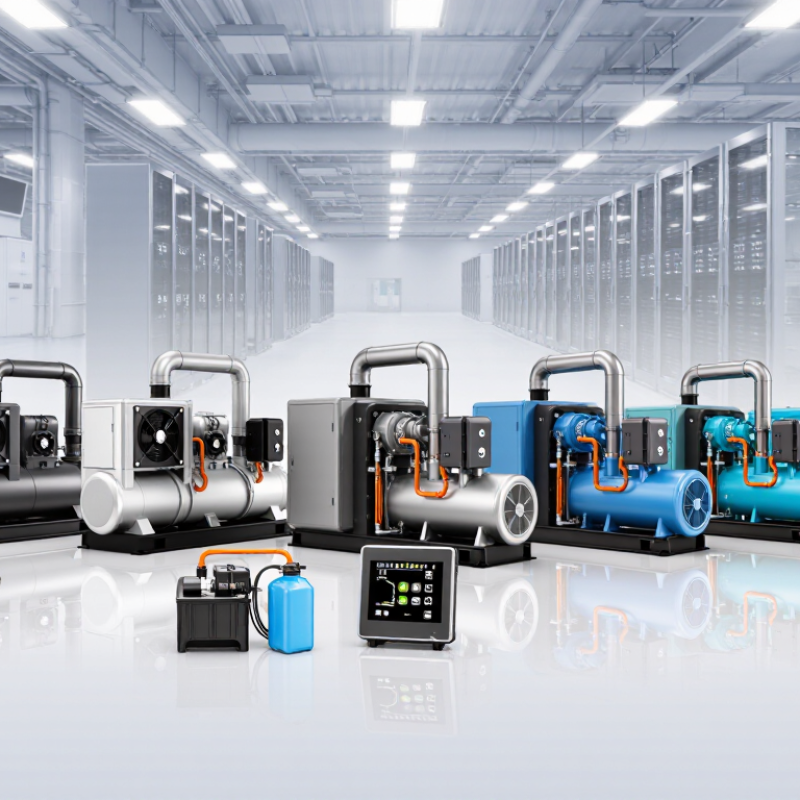
Gas Generator Set Fundamentals: 50/60 Hz Output, 30%–45% Electrical Efficiency
Gas generator sets commonly deliver 50 or 60 Hz electricity, depending on the local grid standard. Frequency affects alternator speed: a four-pole machine runs at 1,500 rpm at 50 Hz and 1,800 rpm at 60 Hz. This detail matters in hospitals, factories, and data centers, where unstable frequency can disturb sensitive equipment.
Electrical efficiency usually ranges from 30% to 45%. The U.S. Department of Energy’s CHP Technology Fact Sheet: Reciprocating Engines reports typical electrical efficiencies of about 28%–42%, depending on engine size and operating conditions. For a 1 MW gas generator operating at 35% efficiency, roughly 350 kW becomes usable electricity. The remaining fuel energy leaves mainly as exhaust heat and cooling heat. Waste heat recovery can raise total CHP efficiency above 70%, according to the same DOE reference.
Real projects rarely maintain their brochure rating. A generator running at 40% load may consume fuel inefficiently, especially during frequent load changes. That is often overlooked. Operators should compare heat rate, standby losses, altitude derating, and part-load curves, not only headline efficiency. The U.S. EPA’s CHP Partnership materials also emphasize matching unit size with steady thermal and electrical demand. In practical testing, recording fuel flow, voltage, frequency, and kW output over several days reveals more than a single factory figure. A perfect number is unlikely.
Ranking Criteria: ISO 8528 Compliance, 0.3–10 MW Capacity, and Global Support
What Are the Top 10 Gas Generator Set Manufacturers?
A credible top-ten ranking should begin with ISO 8528 compliance, not advertising claims. This standard helps assess performance, testing, ratings, and generator-set behavior under changing loads. Each manufacturer should offer gas generator sets across the 0.3–10 MW range. That range suits hospitals, factories, data centers, and regional utility projects.
Real purchasing experience shows that capacity figures alone can mislead. A 1 MW unit may perform well at steady load but struggle during frequent starts. Ranking should examine fuel efficiency, transient response, emissions documentation, control-system quality, and maintenance access. Global support also matters. Local technicians, spare-parts availability, remote diagnostics, and clear service contracts can prevent long outages. However, published evidence is sometimes incomplete. A polished brochure cannot replace verified field records.
Tips: Ask for ISO 8528 test reports, not general certificates. Request references from sites with similar load profiles. Check support coverage before comparing purchase prices. Confirm whether the quoted output applies to prime or standby operation. Also inspect installation requirements, including gas pressure, ventilation, noise control, and ambient temperature limits. Small omissions here can become expensive later. Ranking ten manufacturers still involves judgment, because regional service quality may differ sharply. A technically strong supplier may not be the easiest partner in every location.
Top 10 Manufacturers by Product Range, Fuel Technology, and Engine Performance
A credible top-ten gas generator set shortlist should begin with product range, not advertising reach. Manufacturers serving hospitals, factories, data centers, and remote sites need multiple power ratings. A practical range may include compact units below 500 kW and containerized systems above 2 MW. Parallel operation matters too. It allows capacity to grow without replacing the entire plant.
Fuel technology separates serious suppliers from ordinary assemblers. Natural gas engines offer cleaner combustion than comparable diesel units, but methane quality still affects ignition stability.
The U.S. Department of Energy reports that combined heat and power systems can reach 65%–75% total efficiency, compared with roughly 45% for separate production. Therefore, the strongest manufacturers provide heat recovery, lean-burn controls, and options for biogas or hydrogen blends. Fuel flexibility is useful, though hydrogen-readiness claims deserve careful verification.
Engine performance requires measured evidence. Buyers should compare electrical efficiency, transient response, emissions, service intervals, and noise under ISO 8528 testing conditions. The International Energy Agency’s World Energy Outlook 2024 notes that gas demand faces changing policy and infrastructure conditions, making lifecycle adaptability increasingly important. Field experience also exposes weaknesses: some engines perform well in laboratories but struggle with hot ambient air, unstable gas pressure, or dusty sites. That detail is easy to miss. A sound evaluation should review five-year maintenance records, parts availability, warranty exclusions, and independently verified load-bank results before ranking the ten manufacturers.
Comparing CHP Systems: Over 80% Total Efficiency and Reduced Energy Waste
Comparing CHP Systems: Over 80% Total Efficiency and Reduced Energy Waste
When comparing gas generator set manufacturers, CHP performance deserves more attention than name recognition. A strong system can produce electricity and useful heat from the same fuel stream. The U.S. Environmental Protection Agency reports typical CHP total efficiencies between 65% and 80%. Some well-designed installations exceed 80%.
That figure depends on real heat demand. A hotel may recover exhaust heat for hot water, while a food plant may need steam. Without a steady thermal load, recovered heat becomes wasted energy. The U.S. Department of Energy’s CHP Technology Fact Sheet notes that properly matched CHP systems can reduce fuel use by roughly 20% to 30% compared with separate heat and power production. It is a practical benchmark, not a promise.
Field experience also exposes uncomfortable details. Dirty filters, unstable gas pressure, and poor heat-recovery controls can reduce output quickly. Small losses accumulate. The EPA Catalog of CHP Technologies identifies electrical efficiency, thermal recovery, operating hours, and maintenance as major evaluation factors. Therefore, buyers should request measured performance at several load points, not only the headline rating. A spreadsheet can still mislead. Seasonal demand, local climate, and maintenance access may matter more than a perfect laboratory result.ҳәеит
Emissions, Reliability, and Lifecycle Costs Across the Top 10 Brands
Comparing the top ten gas generator set manufacturers requires more than reading rated efficiency. EPA’s 2024 emission factors assign natural gas combustion 53.06 kg of CO2 per million Btu. At 40% electrical efficiency, that equals roughly 0.45 kg CO2 per kWh. The figure excludes methane leakage, which the International Energy Agency identifies as a major upstream concern in its Global Methane Tracker 2024. Cleaner at the exhaust does not always mean cleaner across the supply chain.
Reliability depends on more than engine design. Field experience shows that automatic transfer systems, cooling circuits, and control batteries often determine whether a set starts during a real outage. Uptime Institute’s 2024 outage analysis confirms that power-related failures remain among the leading causes of data-center disruption. That matters because a cheaper unit can become expensive after one failed start. I would examine cold-start records, load-bank testing, spare-part access, and technician response times before trusting a brochure.
Lifecycle cost needs hourly fuel use, service intervals, overhaul timing, emissions equipment, and disposal costs. A useful calculation includes both standby testing and full-load operation. It should also price natural-gas interruptions and grid-parallel requirements. The uncomfortable part is uncertainty: fuel prices change, operating profiles are often guessed, and maintenance estimates can be optimistic. A published efficiency number is only a starting point. Real invoices are better evidence.