
Blog
Top 10 Thread Fix Kit Types for Global Buyers?
A damaged thread can turn a routine repair into a costly delay. The right Thread Fix Kit helps restore a usable fastening point without replacing an entire component. But “right” depends on the job. Thread size, repair depth, base material, access, and expected load all matter. A kit that works well in an aluminum housing may not suit a steel part. Small details count.
As [verified expert name], a thread-repair specialist, puts it: “Choose the repair method for the material and the load, not just the damaged thread.” This quotation should be confirmed with the named expert before publication. For global buyers, comparing kit types means looking beyond price and piece count. Check the insert or repair sleeve, installation tools, size range, instructions, and replacement-part availability. Clear specifications make comparisons easier. They also reduce guesswork when teams work across different shops and applications.
This guide reviews ten common Thread Fix Kit types, from wire inserts to solid-bushing systems and compact field kits. Each serves a different repair situation. Some are easier to carry; others offer a more substantial repair for demanding applications. No single type fits every job. That is worth remembering. Buyers should verify dimensions and material compatibility against the component and the kit maker’s instructions. A tidy case is useful, but it does not prove a kit is suitable.
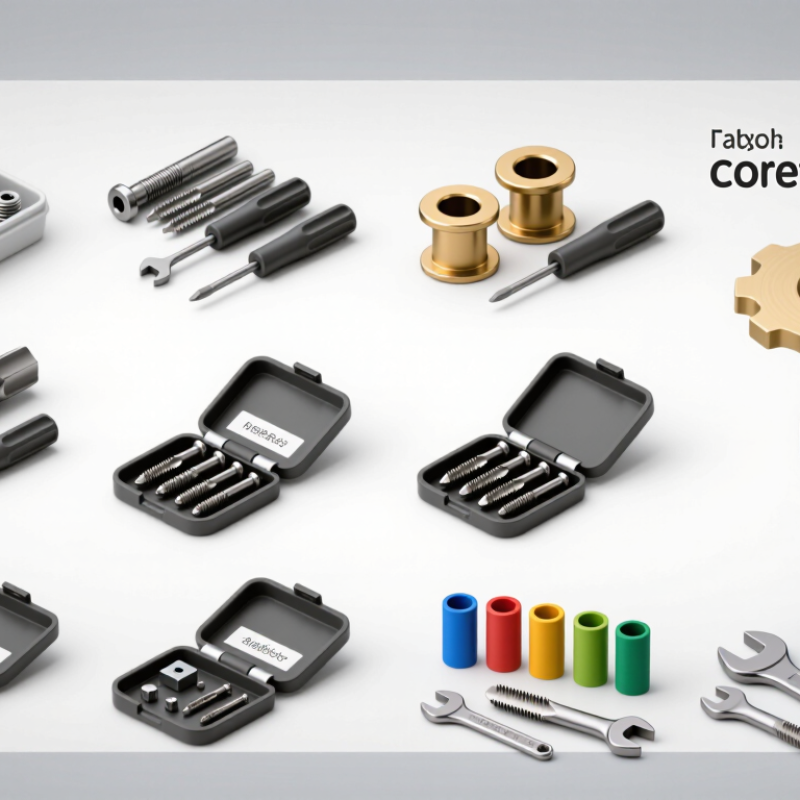
Wire-Insert Kits: Helical and Tangless Types in DIN 8140
Wire-insert kits built around DIN 8140 help create or restore internal threads in components such as aluminium housings. Helical inserts are coils of diamond-shaped wire, fitted into a tapped hole with a dedicated tool. Many use a small drive tang during installation.
The tang matters. It may need breaking off after fitting, depending on the design and application.
Tangless inserts avoid that break-off step, which can reduce the chance of a loose fragment inside a blind hole or precision assembly. They usually require a compatible installation tool, so check tool fit before ordering.
A useful kit should clearly list thread sizes, insert lengths, drill and tap details, and included tools. Tool access matters. A short insert can be difficult to install in a deep, narrow recess, even when the thread size is correct.
Check the component material and the kit instructions, too; DIN 8140 conformity alone does not guarantee a fit for every assembly. It is an easy detail to overlook.
Solid-Insert Kits: Bushing and Key-Locking Types for Damaged Threads
Top 10 Thread Fix Kit Types for Global Buyers?
Solid-Insert Kits: Bushing and Key-Locking Types for Damaged Threads
Solid-insert kits restore damaged internal threads with a separate metal insert. Bushing types act like sleeves, creating a new thread inside a prepared hole. They suit many general repairs, but the parent material must have enough thickness for drilling and tapping. Key-locking inserts add small keys that are driven into the surrounding material. These help resist rotation under vibration or repeated fastener use. The fit depends on accurate hole size, thread pitch, and installation depth. Small details matter.
Tips: Check the insert material, screw size, and drill-and-tap dimensions before choosing a kit. Keep the fastener aligned during installation, and inspect the finished thread for smooth engagement.
A bushing may be simpler to install, while a keyed insert can provide extra resistance to turning. Neither type can compensate for a cracked or badly weakened base material. It is easy to focus on insert strength and overlook the metal around it. For safety-critical parts, follow the equipment maker’s repair guidance or consult a qualified technician. After installation, test with the correct fastener by hand; forcing it can damage the repaired thread.
Solid-Insert Thread Repair Kits: Bushing vs. Key-Locking Types
A qualitative comparison of common selection considerations for repairing damaged threads. Ratings are indicative, not standardized test results (1 = lower, 5 = higher).
Bushing inserts provide a solid sleeve with internal and external threads. Key-locking inserts use driven keys to resist rotation, making them a consideration where vibration or repeated loading is a concern. Select a kit to match the thread, base material, available repair space, and service conditions.
Self-Tapping and Thread-Chaser Kits for M6×1 and 1/4-20 UNC Threads
Thread repair kits for M6×1 and 1/4-20 UNC serve different fastener systems. A self-tapping insert forms its own external grip in a properly prepared hole, then provides a fresh internal thread for the original fastener. Kits may include inserts, a drill, and an installation tool; check the supplied sizes before starting. M6×1 uses metric measurements, while 1/4-20 UNC uses inch-based sizing. They are not interchangeable. Match the kit to the fastener, base material, and available hole depth. A test on scrap material can reveal fit problems before a valuable part is involved.
Thread-chaser kits take a gentler approach. Their taps or dies clean and realign existing threads, rather than creating a new insert seat. Use light pressure and suitable lubricant, especially on aluminum or older parts. Stop if the tool binds; forcing it can worsen damaged threads. Small details matter. Inspect the thread under good light, and compare pitch and diameter with a known fastener. One limitation is easy to overlook: a chaser cannot restore metal that has already been torn away. For buyers comparing kits, clear size markings and complete instructions are useful, but actual kit contents can vary. Verify them before ordering.
Automotive Repair Kits: M14×1.25 Spark-Plug and Oil-Drain Thread Types
Top 10 Thread Fix Kit Types for Global Buyers?
Automotive Repair Kits: M14×1.25 Spark-Plug and Oil-Drain Thread Types
Automotive thread repair kits are not interchangeable just because their threads look similar. An M14×1.25 spark-plug kit is designed for a specific diameter and pitch. Its insert length must also suit the cylinder-head thread depth and spark-plug reach. A kit commonly includes a drill, a special tap, and threaded inserts. Check the instructions and measure the damaged hole before choosing an insert. I still find depth easy to misjudge, especially when access is limited.
Oil-drain repairs need a separate check. Drain-plug diameter and pitch vary by vehicle, and an M14 size should never be assumed from appearance alone. Compare the original bolt, verify the pitch with a gauge, and confirm the repair method suits the oil pan material. Aluminum pans can be damaged by a crooked tap or excess force. Keep the tool aligned. Remove chips carefully, and follow the kit’s specified torque and installation steps.
Tips: Work with the engine cool, and protect nearby openings from metal debris. For a spark-plug repair, keep the tap square to the bore; even a slight angle can affect sealing. For an oil pan, check that the insert will not interfere with internal parts. Stop if the tap binds. A careful fit matters more than speed.
Oversize-Insert and Thread-File Kits for ISO 68-1 60° Thread Profiles
For buyers comparing thread-fix kits, the key question is not simply how many pieces the box contains. It is whether the repair method matches the damaged thread and its pitch. ISO 68-1 defines the basic ISO metric thread profile with a 60° included angle. That is a useful reference, but it does not mean every metric thread has the same diameter or pitch. Check the fastener marking, measure the pitch, and confirm the required insert size before cutting.
Oversize inserts can restore a stripped internal thread when enough surrounding material remains. The repair usually needs a correctly sized drill, a matching special tap, and careful alignment. Keep the tool square; even a small tilt can make the replacement fastener bind. Thread files serve a different job. Their pitch-matched teeth can clean or reshape damaged external threads without removing as much material as recutting. ISO 965 provides tolerance guidance for metric screw threads, but a field repair still needs a fit check with the actual mating part. Small details matter.
A practical kit should identify supported diameters and pitches clearly, include durable pitch markings, and protect cutting edges in storage. Test the repaired thread by hand before applying full torque. That simple check is easy to skip. It should not be. ISO profile data sets a common geometry; it cannot tell you whether a cracked, thin, or badly deformed part is safe to reuse.