Why is Solar Storage Essential for Energy Independence?
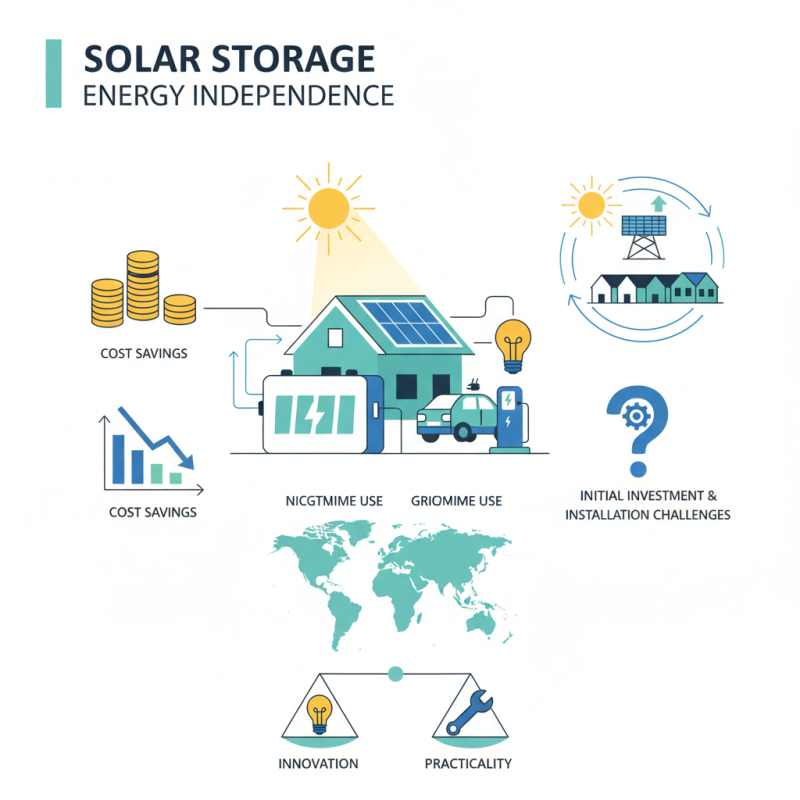
Energy independence is crucial for sustainable development. Solar Storage emerges as a key player in this movement. It allows individuals and communities to harness renewable energy effectively. With solar storage, excess energy produced during sunny days can be preserved for later use. This technology empowers users to reduce reliance on traditional power sources.
Adopting solar storage systems can lead to significant cost savings. Imagine a household generating its own power and storing it for nighttime use. This way, families can lower their energy bills. However, one must consider the initial investment and installation challenges. Not all areas have the same access to solar solutions, which can be a daunting issue.
Solar storage also contributes to grid stability. It helps balance the supply and demand of electricity. However, relying solely on solar energy requires careful planning and consideration. Users must reflect on their energy needs and habits. Despite its many benefits, solar storage is not a one-size-fits-all solution. Striking a balance between innovation and practicality is essential.
The Role of Solar Storage in Enhancing Energy Independence
Solar storage plays a crucial role in enhancing energy independence. By harnessing solar energy, households and businesses can reduce reliance on traditional energy sources. According to a report from the International Energy Agency (IEA), global solar capacity has increased by over 22% annually in recent years. This growth offers vast potential for energy autonomy.
With solar storage systems, energy can be saved for use during periods of low sunlight. This capability is essential for optimizing solar energy usage. The Energy Storage Association estimates that the energy storage market could exceed $100 billion by 2030. Increased storage capacity means more flexibility and reliability in energy supply.
Tips: Focus on energy efficiency in your home. Consider adding insulation and energy-efficient appliances. Small changes can make a big impact.
Effective energy storage also brings challenges. Not all solar systems are optimized for storage. Some may not integrate well with existing grid systems. It's crucial to consult with energy professionals to ensure the right technology is chosen.
Tips: Research local incentives for renewable energy. Many regions offer tax credits for solar installations, which can offset initial costs.
Current State of Global Energy Storage Solutions and Market Growth
The global energy storage market is witnessing significant growth. This surge is driven by the increased need for efficient energy solutions. Renewable energy sources, like solar and wind, require reliable storage to ensure a steady supply. As these sources become more integrated into the grid, storage solutions are essential for balancing demand and supply.
Many regions are innovating energy storage technologies. This includes battery systems, pumped hydro, and thermal storage. Each has its unique advantages and challenges. For instance, battery systems can respond quickly but may face lifecycle limitations. On the other hand, pumped hydro is effective but relies on specific geographical constraints.
**Tips:** Consider your energy usage patterns. Use storage solutions that complement your consumption habits. Explore community solar programs for shared benefits. Engaging in local initiatives can also enhance energy resilience. Evaluate the space you have for storage systems; not all solutions fit every scenario.
Global Energy Storage Capacity Growth (2015-2023)
This bar chart illustrates the growth of global energy storage capacity from 2015 to 2023. As energy independence becomes increasingly vital, the capacity of energy storage solutions is projected to rise significantly, reflecting advancements in technology and increasing demand for renewable energy sources.
Impact of Solar Storage on Reducing Fossil Fuel Dependence
The reliance on fossil fuels remains a significant challenge for energy independence. Solar storage presents a viable solution. According to the International Energy Agency, solar power can reduce carbon emissions by up to 70% when coupled with effective storage systems. This technology captures excess solar energy for use during non-sunny periods, which is crucial for consistent energy availability.
In the United States, the Solar Energy Industries Association reports a 20% year-over-year increase in solar installations. Yet, only 10% of solar energy produced is stored for later use. This gap is concerning in the push to diminish fossil fuel dependence. Effective solar storage could enable households and businesses to cut back on natural gas usage, especially during peak demand hours.
While progress has been made, solar storage technology still faces obstacles. High upfront costs deter many potential users. Additionally, current battery technologies may not provide adequate longevity and efficiency. Some systems degrade quickly, leading to unanticipated expenses. There’s a need for innovation and investment in research to enhance these technologies for a greener future. The path to energy independence is not without its bumps, but solar storage represents an essential step forward.
Why is Solar Storage Essential for Energy Independence? - Impact of Solar Storage on Reducing Fossil Fuel Dependence
| Energy Source | Current Usage (%) | Projected Usage with Solar Storage (%) | Reduction in Fossil Fuel Dependence (%) |
| Solar | 3% | 25% | 22% |
| Wind | 8% | 20% | 12% |
| Natural Gas | 37% | 30% | 7% |
| Coal | 23% | 15% | 8% |
| Nuclear | 21% | 10% | 11% |
Economic Benefits of Investing in Solar Storage Systems
Investing in solar storage systems offers significant economic benefits. According to the U.S. Department of Energy, energy storage can lower electricity costs by up to 50%. This is especially relevant as more homes adopt solar panels. Energy storage allows users to store excess energy for later use. Thus, residents can save on expensive peak hour electricity rates.
Moreover, solar storage contributes to job creation. The Solar Foundation reports that the solar industry employs over 250,000 workers. As demand for storage solutions increases, more jobs will emerge. Local economies can benefit from this growth. However, initial investment costs may remain a hurdle for some. High upfront prices can deter potential users.
Additionally, energy storage can help stabilize the grid. A study from the National Renewable Energy Laboratory shows that integrating storage can reduce grid stress. This leads to fewer outages and enhanced energy reliability. While progress is being made, technical and financial barriers still exist. Addressing these challenges will be crucial for the long-term adoption of solar storage systems.
Technological Innovations in Solar Storage for Sustainable Energy Solutions
The rise of solar storage technology is vital for energy independence. Recent studies show that energy storage capacity could exceed 500 GWh by 2030. This growth reflects the demand for more reliable and sustainable energy solutions. With advancements in battery technology, like lithium-ion and flow batteries, solar energy can be stored efficiently for later use.
The integration of smart grid systems enhances solar storage capabilities. These systems enable homes and businesses to manage energy consumption. According to a report from the International Renewable Energy Agency, countries investing in solar storage technologies could reduce reliance on fossil fuels significantly. This move not only supports sustainability but also boosts local economies.
Tips: Consider installing solar panels with integrated storage systems. This can ensure you have backup power during outages. Also, analyze your energy usage patterns. Understanding when you consume the most can help you optimize your storage solution. Remember, transitioning to solar storage isn't always seamless. It requires planning and investment, but the long-term benefits are worth it.