Why Choose Rubber Pump Impeller for Your Pumping Needs?
Rubber Pump Impellers are increasingly preferred in various industries, thanks to their durability and versatility. Reports indicate that the global pump market is projected to reach $100 billion by 2025, showcasing the rising reliance on efficient pumping solutions. Among various impeller materials, rubber designs offer superior resistance to wear and corrosion, resulting in longer service life.
Additionally, rubber impellers excel in handling abrasive fluids. With a coefficient of friction lower than that of metal, they reduce energy consumption. Industries using these impellers see significant cost savings. However, there is an ongoing challenge in balancing performance with environmental concerns.
Despite their advantages, some users report durability issues under extreme conditions. Careful selection based on specific application needs is critical. A reflective approach can enhance the decision-making process for those considering Rubber Pump Impellers. These components can lead to effective and reliable pumping systems, driving overall operational efficiency.
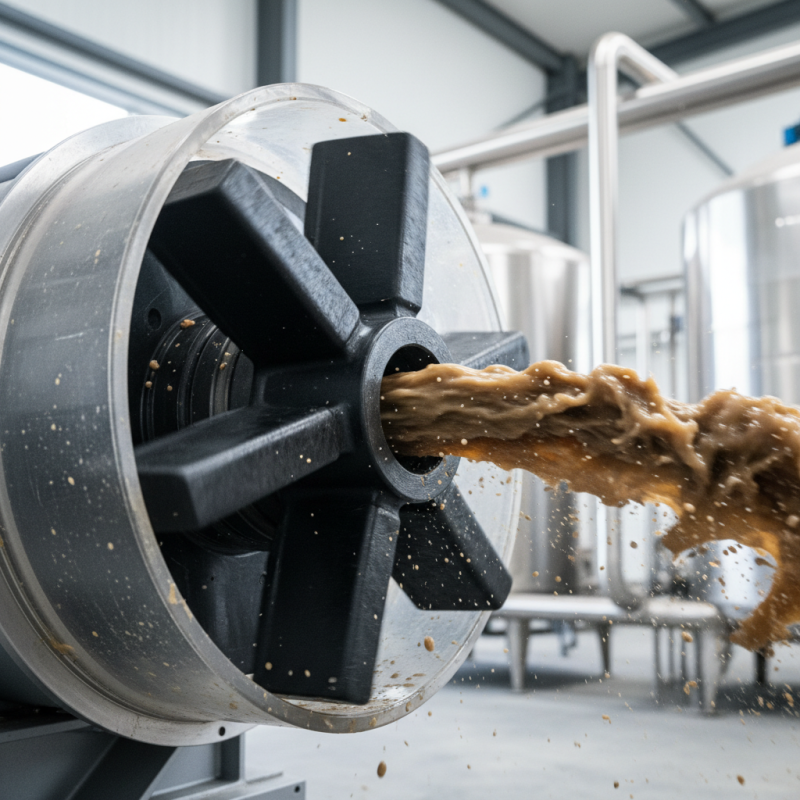
Benefits of Rubber Impellers in Pump Applications
Rubber impellers offer a range of advantages in various pumping applications. Their flexibility allows them to accommodate fluctuations in pressure and flow, making them ideal for diverse environments. Unlike metal impellers, rubber ones are resistant to corrosion. This quality ensures durability, especially in harsh chemical applications. They also minimize noise during operation, creating a quieter work environment.
One should consider the specific application when selecting rubber impellers. The choice of rubber compounds can significantly impact performance. For instance, certain compounds endure higher temperatures better than others. Matching the impeller material to the application’s needs is essential. This will enhance longevity and efficiency.
Tips: Always inspect the impeller regularly. Look for signs of wear and tear. A small crack can lead to larger issues. Also, consider the fluid's properties. Abrasive materials can degrade rubber more quickly. Tailoring your selection to these details is vital. Be vigilant about maintenance schedules; this keeps potential problems at bay.
Comparison of Rubber and Other Impeller Materials
When selecting an impeller for your pumping needs, material choice plays a crucial role. Rubber impellers offer distinct advantages over other materials like metal or plastic. They are inherently flexible and can absorb shock. This helps in reducing wear and extending the lifespan of the pump. In contrast, metal impellers may corrode or fracture under stress, leading to costly repairs.
Rubber's resistance to wear makes it ideal for abrasive materials. Metal can easily wear down when handling similar substances. Meanwhile, plastic impellers can crack under pressure. This raises concerns about their long-term durability. A rubber impeller offers a balance of strength and flexibility, adapting well in challenging environments. However, it may not withstand extreme temperatures as effectively as metal options.
Tip: Regularly check your impeller for wear and tear. It’s easy to overlook, but small cracks can lead to bigger issues. Replace your impeller before it fails completely to avoid unexpected downtime.
Choosing the right material affects efficiency. Rubber impellers often operate at lower noise levels, creating a more pleasant environment. Still, they might not be suitable for every application. Evaluate your specific needs before making a decision. Some environments may require different properties that rubber cannot provide.
Durability and Resistance of Rubber Impellers
Rubber impellers are gaining traction in various industries due to their impressive durability and resistance to harsh conditions. Reports indicate that rubber can withstand corrosive substances and withstand abrasion surprisingly well. In fact, studies show that rubber impellers can last up to 25% longer than those made from metal in specific applications. This longevity is critical for industries relying on minimal downtime.
Additionally, rubber impellers are excellent at handling temperature fluctuations. They maintain flexibility in extreme heat or cold, making them ideal for diverse environments. However, they may not be suitable for all applications. It's essential to evaluate specific conditions before choosing rubber over other materials. Their performance under pressure is commendable, but there might be limitations under certain intense conditions.
The resistance to wear and tear is where rubber truly shines. According to industry research, rubber impellers outperform metal counterparts by significantly reducing the likelihood of damage in abrasive environments. Nevertheless, relying solely on one type of material may not always be beneficial. It's essential to conduct thorough assessments to understand potential weaknesses and explore alternatives if necessary.
Maintenance Tips for Rubber Pump Impellers
Rubber pump impellers are known for their flexibility and durability. However, maintenance is crucial to maximize their lifespan. According to industry studies, regular maintenance can increase the life of rubber parts by 30%. This is vital for maintaining efficiency and reducing downtime.
One key tip is to inspect the impeller regularly. Look for wear or signs of damage. Such inspections help detect early problems. Additionally, keep the pump clean. Debris can cause unnecessary wear. In a recent report, it was noted that nearly 25% of pump failures are due to clogging.
Lubrication is another important aspect. Ensure that moving parts operate smoothly. The right lubrication can decrease friction, extending the impeller's life. However, many overlook this step. Improper lubrication can lead to failure. Aim for a maintenance routine that addresses these needs consistently.
Rubber Pump Impeller Durability Comparison
This bar chart illustrates the average lifespan of different types of pump impellers, highlighting rubber impellers as having a competitive lifespan of 10 years compared to plastic and metal variants. Choosing the right impeller can lead to better performance and maintenance efficiency.
Applications of Rubber Impellers in Various Industries
Rubber impellers are increasingly used across various industries due to their versatility and effectiveness. In the mining sector, these impellers handle abrasive materials with ease. A study indicates that the rubber impeller market is projected to grow by 5.8% annually, driven by this demand. In chemical processing, they resist corrosive fluids, ensuring durability. Many facilities now rely on rubber to protect intricate pump systems.
Agriculture also benefits from rubber impellers. They manage water and pesticides without contamination. Reports show that about 15% of farms are transitioning to rubber materials. This shift enhances pump efficiency while reducing maintenance costs. However, some users report issues with temperature fluctuations. This aspect needs careful monitoring.
Tip: Always assess the specific requirements of your application before selecting materials. Consider environmental factors like temperature and chemical exposure. Regular inspections can help identify potential wear early, preventing costly downtime.