What Is Poultry Slaughtering Equipment Used For?
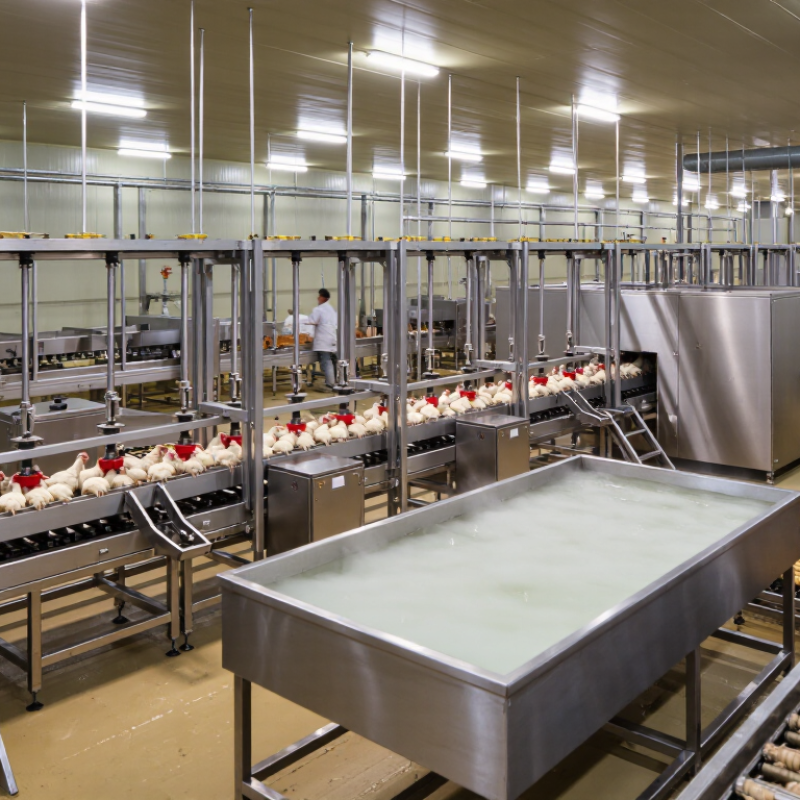
poultry slaughtering equipment is used to move birds through a controlled processing line, from arrival and handling to chilling and preparation for further processing. The equipment may include receiving conveyors, stunning systems, bleeding stations, scalding tanks, defeathering machines, evisceration tools, wash systems, and chillers. Each stage has a distinct purpose. Together, these machines help maintain a steady workflow, support consistent product handling, and reduce unnecessary manual contact.
The exact setup depends on the facility’s size, bird type, production goals, and trained staff. For example, a defeathering machine uses rotating picking fingers, while a chiller helps lower product temperature after processing. Cleanable surfaces, guarded moving parts, and accessible washdown areas also matter. They make routine inspection and sanitation easier, though equipment alone cannot ensure good results. That part is easy to overlook. Operators still need clear procedures, suitable maintenance, and careful monitoring of hygiene and product temperatures. A machine can run smoothly and still leave problems that require attention. This guide explains what common poultry slaughtering equipment does, how the stages fit together, and what buyers should consider when comparing systems. The details can vary by plant, so specifications should be checked against actual production needs rather than assumed from a catalog. A practical line is not always the most complex one. It is the one staff can operate, clean, and maintain reliably.
Purpose and Scope of Poultry Slaughtering Equipment
What Is Poultry Slaughtering Equipment Used For?
Purpose and Scope of Poultry Slaughtering Equipment
Poultry slaughtering equipment supports the movement of birds through controlled processing steps, from arrival to chilling. Depending on the facility, the line may include hanging stations, scalding tanks, defeathering machines, evisceration tools, inspection points, and chillers. Conveyors connect these stages and help maintain a steady workflow. Each machine has a specific role; together, they reduce repetitive handling and keep product movement organized.
The equipment’s scope is broader than cutting or removing feathers. Well-maintained systems help workers handle birds consistently, separate process stages, and clean product-contact surfaces. For example, a scalding tank needs stable water temperature, while a defeathering machine needs correctly adjusted fingers. Chilling equipment then lowers product temperature under controlled conditions. Still, machinery alone cannot ensure food safety. Training, cleaning, monitoring, and routine maintenance matter just as much. A line may look efficient, yet small delays or poor adjustments can affect the whole process.
Tips: Match equipment capacity to the facility’s actual processing rate. Check guards, water temperatures, and cleaning routines before operation. Keep maintenance records, and investigate recurring jams instead of treating them as normal. Small details count.
How Equipment Handles Birds Before Slaughter
Before slaughter, equipment controls the birds’ movement from transport crates to the processing line. Unloaders tip crates onto a moving belt, while conveyors guide birds toward inspection and shackling stations. Well-adjusted belts reduce sudden drops and crowding. Ventilation in holding areas helps manage heat, but equipment alone cannot prevent stress if waiting times or airflow are poorly controlled. Small details matter. USDA’s Poultry Slaughter 2023 Summary records roughly 9 billion chickens slaughtered in the United States that year, showing the scale these systems must handle. That figure measures throughput, not welfare; careful observation is still needed.
Tips: Watch birds at transfer points. Repeated wing flapping, piling, or slipping can signal poor belt speed, excessive crowding, or uneven floors. Check these areas during routine line inspections, not only after a problem appears.
At the shackling area, adjustable line speed and suitable equipment can support steady handling before stunning. Staff should check that birds are restrained consistently and that the line does not rush them. EFSA’s scientific assessments of poultry welfare identify handling and restraint as important risk points. A machine may run smoothly while birds still struggle. That gap deserves attention. Record observations, equipment settings, and corrective actions; small process notes can reveal patterns that a brief walk-through misses.
What Is Poultry Slaughtering Equipment Used For? — How Equipment Handles Birds Before Slaughter | Processing point | Equipment commonly used | How birds are handled | Main purpose and key considerations |
| Arrival and unloading | Transport modules or crates, unloading platform, and module tipper or crate-handling system | Birds arrive in ventilated transport containers. Equipment transfers the containers from the vehicle and, in some systems, tips or opens them for unloading. | Reduces manual lifting and helps move birds toward the live-receiving area. Container handling should limit sudden movement, excessive noise, and exposure to unsuitable temperature or ventilation conditions. |
| Live-bird receiving and transfer | Live-hang area, controlled lighting, conveyors, and transfer equipment | Workers or automated systems remove birds from containers and place them onto the line, depending on the plant layout and equipment. | Provides an orderly transition from transport to processing. Equipment layout and handling practices should help prevent injury, escape, and unnecessary stress. |
| Restraint on a line | Overhead conveyor with leg shackles | In conventional waterbath systems, each bird is placed by its legs into a shackle and conveyed head-down toward the stunning station. | Keeps birds positioned for the next process step. Shackle size and line setup should suit the birds being processed; shackling is not used in every slaughter system. |
| Pre-stun movement | Conveyor guides, breast-support rails, and a darkened or controlled-light passage where used | Birds move along the line toward the stunning equipment. Some systems use gentle breast contact or adjusted lighting to reduce flapping and help maintain a consistent position. | Supports calm, steady movement and consistent presentation at the stunning point. The setup must avoid obstructing breathing or causing harmful pressure or contact. |
| Electrical waterbath stunning | Electrified waterbath stunner and height-adjustable waterbath | Shackled birds pass through the waterbath so their heads contact the water. Electrical settings and equipment configuration are controlled for the intended process. | Used to render birds unconscious before bleeding. Water level, bird positioning, electrical parameters, and line operation require monitoring under applicable regulations and welfare procedures. |
| Controlled-atmosphere stunning (alternative system) | Gas-stunning chamber or controlled-atmosphere system, with gas monitoring and conveyor equipment | Birds remain in transport containers or are conveyed through a chamber, depending on the system design, while the atmosphere is controlled to induce unconsciousness. | Provides an alternative to individual shackling before stunning in systems designed for this method. Gas composition, exposure conditions, and equipment operation must be monitored in accordance with applicable requirements. |
Machines Used for Stunning, Bleeding, and Scalding
Poultry slaughtering equipment supports three closely linked steps: stunning, bleeding, and scalding. A stunner applies a controlled electrical or gas-based process to render birds unconscious before further handling. Staff monitor bird position and equipment settings, since poor contact or inconsistent exposure can reduce effectiveness. The EFSA’s 2019 scientific report on poultry slaughter identifies waterbath stunning as a method requiring carefully controlled electrical parameters. The machine matters, but so does the fit between its settings and the birds being processed. Small errors count.
After stunning, an automated line positions birds for bleeding. Knives must make a consistent cut, while operators check that birds are properly bled before entering the scald tank. Scalding loosens feathers so pluckers can remove them with less damage to the skin. FAO poultry-processing guidance describes scalding conditions around 50–60°C, with time adjusted to the chosen process and desired skin finish. That range is not a universal recipe: bird size, water circulation, and line speed all affect results. A temperature display alone cannot reveal every uneven spot in a tank. Process checks and sanitation records help teams spot drift, though rushed inspections can still miss it.
Equipment for Feather Removal and Carcass Preparation
Poultry slaughtering equipment helps remove feathers and prepare carcasses for chilling or further processing. Feather removal usually follows scalding, which loosens feathers for mechanical picking. A defeathering machine uses rotating rubber fingers to lift feathers while the carcass moves through. Correct finger condition and machine settings matter. Worn fingers may leave patches behind or damage the skin. Results also vary with bird size and scalding consistency.
Carcass preparation equipment can include work tables, shackles, inspection stations, and tools for removing internal organs. Each step needs a clear workflow to limit contact between clean and unclean surfaces. Workers should check carcasses under good lighting and remove any remaining feathers or visible contamination. No machine replaces careful inspection. The process can still be uneven, especially when line speed or bird size changes, so operators should adjust settings and review results regularly.
Tips: Check feather removal on several carcasses, not just one. Clean and inspect rubber fingers between production runs. Keep knives and work surfaces maintained, and follow the equipment maker’s operating and sanitation instructions. Small checks help. A rushed setup may save minutes, but it can create more rework later.
Tools for Evisceration, Inspection, and Chilling
Evisceration, Inspection, and Chilling
Evisceration equipment opens the carcass and removes internal organs while keeping tissues accessible for examination. A steady conveyor, clean cutting blades, and correctly adjusted guides help limit accidental damage. Vacuum systems then remove residual material from the cavity. Small details matter. The USDA National Agricultural Statistics Service’s 2023 Poultry Slaughter report counted more than nine billion young chickens slaughtered in the United States. At that scale, equipment consistency affects both line flow and inspection conditions.
Inspection equipment supports trained inspectors; it does not replace their judgment. Bright, even lighting helps reveal bruising, contamination, or abnormal tissue. Wash stations and controlled carcass presentation also help maintain clear viewing conditions. Chilling systems use cold water, moving air, or a combination to remove heat quickly and evenly. Sensors record temperatures, while well-managed circulation reduces warm spots between carcasses. USDA FSIS inspection guidance emphasizes sanitary handling and temperature control throughout processing. Cold control matters. Still, a clean-looking line is not proof of good control: sensor placement, calibration, and routine checks can be overlooked. Equipment performs best when workers verify what the instruments report.
What Poultry Slaughtering Equipment Is Used For
Evisceration, inspection, and chilling equipment supports distinct steps in poultry processing. The chart counts representative functions shown for each stage; it is illustrative, not a production benchmark.
Examples include opening and cleaning carcasses, presenting carcasses for inspection, and cooling them using immersion or air-chilling systems. Specific equipment and inspection procedures vary by facility and regulations.