What is a Portable Soil Analyzer and How Does It Work?
In the realm of modern agriculture and environmental science, the importance of soil analysis cannot be overstated. A Portable Soil Analyzer is an innovative tool that revolutionizes how farmers and researchers assess soil health in real-time. Dr. Emily Carter, a leading soil scientist, states, “Understanding soil composition directly impacts crop yield and sustainability.” This emphasizes that timely soil analysis can make a significant difference in farming practices.
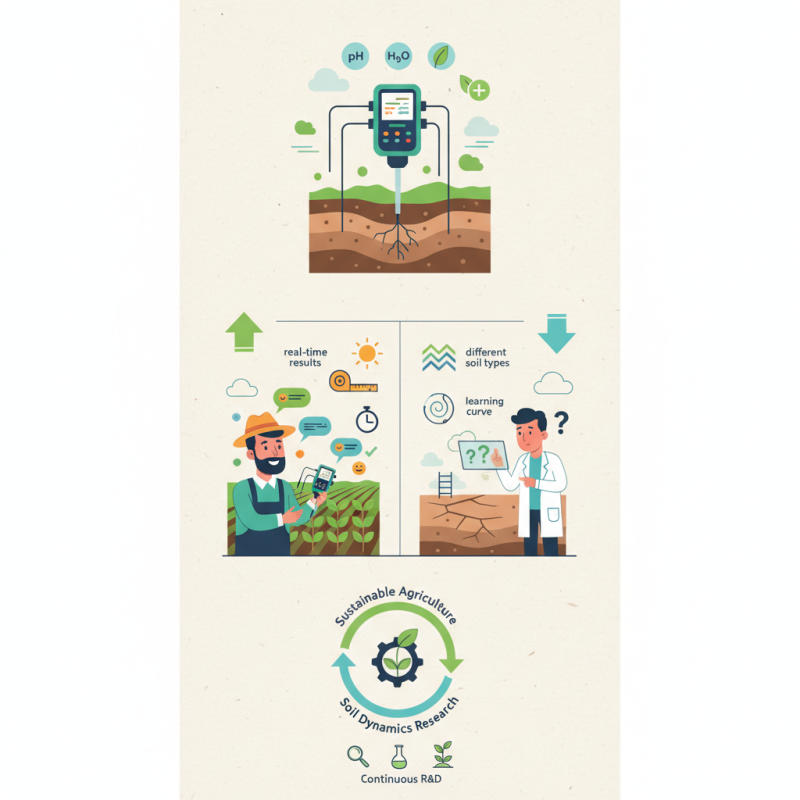
These analyzers provide critical data on pH levels, moisture content, and nutrient availability right on-site. Users can obtain results in minutes, enabling informed decisions. However, the technology is not without its challenges. Variability in soil types and conditions can affect the accuracy of results. Moreover, accessibility to proper training on using these devices is still lacking.
Despite these obstacles, the Portable Soil Analyzer remains a vital asset. It opens doors for sustainable practices and conservation efforts. As more stakeholders adopt this technology, a deeper understanding of soil dynamics will emerge. There is a pressing need for continuous research and development in this field. The evolution of soil analyzers will likely shape the future of agriculture.
What is a Portable Soil Analyzer?
A portable soil analyzer is a compact device used to assess soil properties on-site. It measures essential factors like pH, moisture levels, and nutrient content. This tool is valuable for farmers, landscapers, and researchers who need quick results for better soil management.
With a simple interface, users can easily operate a portable soil analyzer. Many models require minimal training. Once the sensor is inserted into the soil, results appear on a built-in display or an app. This immediacy allows for timely decisions regarding planting and fertilization. However, accuracy can vary. Soil conditions must be ideal for reliable readings.
The portability of these analyzers is a significant advantage. Users can take them to various locations, making fieldwork efficient. But, understanding the limitations is crucial. Not every analyzer provides comprehensive data. Users should consider follow-up testing for precise soil analysis. This approach enhances the reliability of their findings, providing a more informed basis for agricultural practices.
Key Features of Portable Soil Analyzers
Portable soil analyzers are essential tools for agricultural professionals and environmentalists. They provide quick measurements of soil composition, moisture, and pH. Understanding these elements helps in making informed decisions about land use and crop management.
Key features of portable soil analyzers include user-friendly interfaces and real-time data reporting. Many models are lightweight, making them easy to carry into the field. They often operate on batteries, ensuring mobility and convenience. Additionally, many devices can connect to smartphones or tablets for data analysis. This connectivity aids in precise tracking and helps identify nutrient deficiencies quickly.
Tips: Regularly calibrate your analyzer for accurate readings. Familiarize yourself with the user manual to maximize your equipment’s potential. Testing various soil types can help you understand how different conditions affect plant growth.
While portable soil analyzers provide invaluable data, they may not capture every variable. External factors like weather conditions can influence soil characteristics. Always consider the broader context of your findings when making decisions based on analyzer results. This approach ensures a balanced understanding of your soil's health.
How Portable Soil Analyzers Work: An Overview
Portable soil analyzers are essential tools for outdoor soil assessment. These devices are designed to give instant feedback on soil health and composition. They can measure pH levels, nutrient content, moisture, and even salinity. This enables farmers and gardeners to make informed decisions about their soil management practices.
These analyzers utilize sensors and probes to collect data from soil samples. Users insert the probes directly into the soil. Instant readings are displayed on a screen. Some models even connect to smartphones for further analysis. It's remarkable how much information can be gathered quickly. However, the accuracy of results can vary. Users need to calibrate devices regularly for reliable outcomes.
Understanding how to interpret the data is crucial. Misinterpretation can lead to wrong decisions. It's also important to consider the context of the readings. Soil conditions can change with the seasons. Being aware of these factors is key for effective soil management. Mastering the use of portable soil analyzers takes practice and dedication.
Applications of Portable Soil Analyzers in Agriculture
Portable soil analyzers are reshaping agricultural practices. These devices provide real-time data on soil properties, allowing farmers to make informed decisions. A reported 70% of farmers using these tools observed improved crop yields. They measure key factors like pH, moisture, and nutrient levels. Understanding these parameters helps in optimizing soil health.
In recent years, the application of portable soil analyzers has expanded. Studies show that around 60% of agronomists recommend their use for precision agriculture. This approach enhances resource management and sustainability. Farmers can identify soil variability within their fields. By analyzing these variations, they can adjust fertilization and irrigation accordingly.
Despite advancements, challenges remain. Not all farmers have access to these technologies. Cost can be prohibitive for small-scale operations. Data interpretation also requires expertise. Misreading results can lead to incorrect applications, potentially harming crops. Therefore, education on usage is essential. Soil analyzers are powerful tools, but they come with a learning curve.
Benefits of Using Portable Soil Analyzers for Soil Testing
Portable soil analyzers are valuable tools for agricultural professionals. They streamline soil testing, enabling farmers to receive instant feedback. According to a 2022 study by the Soil Science Society, data-driven soil management leads to a 20% increase in crop yields. These devices assess nutrient levels, pH balance, and moisture content in real-time. Such precision fosters informed decision-making about fertilizers and irrigation.
Using portable soil analyzers has several benefits. They save time and resources. Traditional lab testing can take days, but portable analyzers provide results within minutes. This quick turnaround allows farmers to respond promptly to nutrient deficiencies or imbalances. The ability to perform on-site testing reduces transportation costs and minimizes soil disturbance.
Tip: Regularly calibrate your portable analyzer for accuracy. Inconsistent readings may mislead your soil management strategies. Testing at different times of the year also captures seasonal variations in soil composition. Consider creating a simple map of your fields to track nutrient levels over time. This visual can reveal patterns and inform future adjustments to your soil management approach.
What is a Portable Soil Analyzer and How Does It Work? - Benefits of Using Portable Soil Analyzers for Soil Testing
| Parameter | Value | Unit |
| pH Level | 6.5 | - |
| Nitrogen Content | 0.15 | % (w/w) |
| Phosphorus Content | 20 | mg/kg |
| Potassium Content | 150 | mg/kg |
| Moisture Content | 25 | % (w/w) |
| Organic Matter | 5 | % (w/w) |
| Soil Texture | Loamy | - |