What is Medium Voltage Cable Specifications and Its Importance?
Medium Voltage Cable Specifications play a critical role in electrical infrastructure. According to industry reports by the International Electrotechnical Commission (IEC), medium voltage cables typically operate between 1 kV and 35 kV. These specifications ensure efficient power distribution in industrial, commercial, and utility sectors.
Proper selection of medium voltage cables is essential to reduce risks. A detailed understanding of specifications helps prevent overheating, electrical failures, and unnecessary outages. The market for medium voltage cables is projected to grow significantly, driven by urbanization and renewable energy advancements. In 2022, the global medium voltage cable market was valued at approximately $15 billion.
Yet, challenges remain in ensuring standard compliance and safety. Many organizations struggle with selecting the right materials and designs. Regular updates in technology and standards can leave gaps in knowledge, leading to suboptimal choices. This highlights the need for expertise in medium voltage cable specifications to ensure reliable and safe electrical systems.
Definition of Medium Voltage Cables and Their Applications
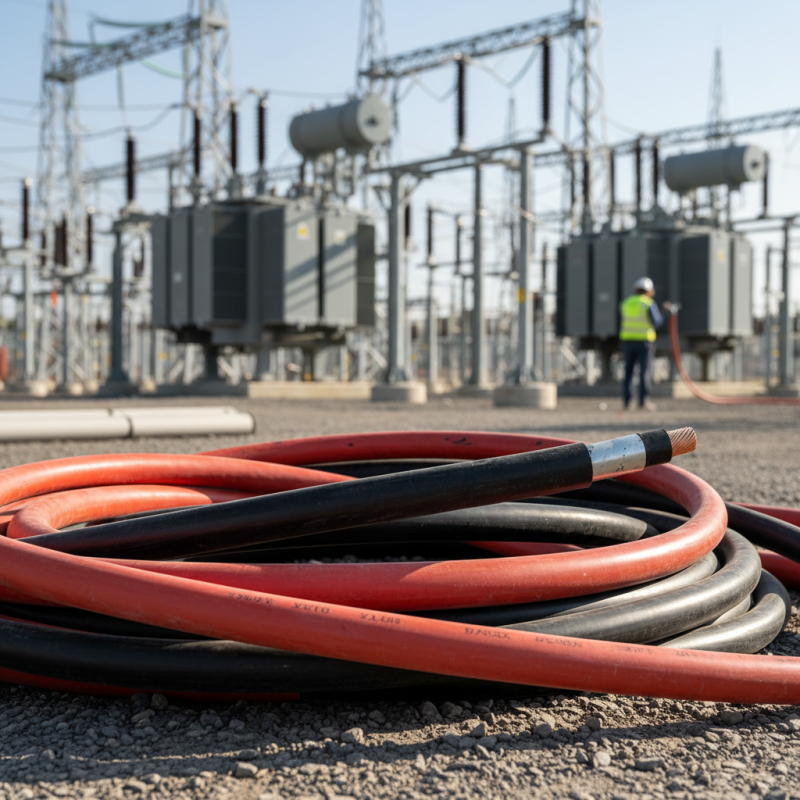
Medium voltage cables play a crucial role in electrical distribution systems, typically operating between 1 kV and 35 kV. These cables are designed to transmit electrical energy over moderate distances, making them ideal for substations and industrial applications. According to the International Electrotechnical Commission (IEC), medium voltage cables contribute to over 20% of the global power transmission market.
Applications of medium voltage cables are diverse. They are essential in underground and overhead lines, serving utilities that connect renewable energy sources to the grid. They’re widely used in manufacturing facilities and commercial buildings to ensure a reliable power supply. Reports indicate that adoption in these sectors has increased by 15% over the past five years, reflecting growing infrastructure needs.
However, challenges exist in ensuring the longevity of medium voltage cables. Environmental factors can lead to insulation degradation. A study by the Institute of Electrical and Electronics Engineers (IEEE) shows that improper installation can reduce cable life significantly. Addressing these issues is vital for maintaining efficient power distribution. Experts emphasize the need for ongoing training and improved installation practices to mitigate such risks and enhance overall system performance.
Key Specifications of Medium Voltage Cables
Medium voltage cables are essential for power distribution in industrial and commercial applications. They typically operate within the range of 1 kV to 35 kV. These cables are designed to transport large amounts of electricity efficiently. The importance of their specifications cannot be overstated.
Key specifications include insulation type, conductor material, and cable construction. Insulation materials like XLPE or PVC provide excellent thermal and electrical performance. The choice of conductor material, such as copper or aluminum, impacts conductivity and overall durability. Cable construction affects flexibility and mechanical strength. For example, multi-core designs can be easier to install in tight spaces.
Attention to these details is crucial. Improper specifications can lead to failures, costly repairs, and safety hazards. While many assume all cables are the same, differences can be significant. Investing in the right medium voltage cable ensures long-term reliability. Choosing the correct specifications fosters better performance and safety in electrical systems. However, trial and error in defining these parameters can lead to missteps. Continuous improvement in understanding these specifications is vital for professionals in the field.
What is Medium Voltage Cable Specifications and Its Importance? - Key Specifications of Medium Voltage Cables
| Specification | Value | Unit |
| Nominal Voltage | 1 kV to 35 kV | kV |
| Conductor Material | Copper or Aluminum | - |
| Insulation Type | XLPE or PVC | - |
| Cable Construction | Single Core or Multi-Core | - |
| Operating Temperature | -20 to +90 | °C |
| Cable Size Range | 10 to 1000 | mm² |
| Screening | Yes / No | - |
| Sheath Type | PVC, PE, or LSZH | - |
| Fire Resistance | Low Smoke, Zero Halogen | - |
Materials Used in Medium Voltage Cable Construction
Medium voltage cables are integral to electrical networks, transmitting power effectively between substations and consumers. Constructed with specific materials, they ensure reliability and durability under various conditions. Commonly used materials include cross-linked polyethylene (XLPE) and thermoplastic materials, which provide excellent insulation and high thermal stability. According to industry reports, XLPE cables can withstand temperatures ranging from -40°C to +90°C, making them suitable for diverse environments.
Copper and aluminum are often the primary conductors in medium voltage cables. Copper offers greater conductivity, while aluminum provides a lightweight alternative. This choice impacts the cable's overall performance and efficiency. Data from electrical safety studies indicate that improper material selection can lead to significant energy losses and increased fire risks, emphasizing the importance of adhering to strict specification standards.
In addition, the insulation thickness and shielding materials affect performance significantly. Many cables incorporate a layer of metallic shielding to protect against electromagnetic interference. However, not all manufacturers comply with rigorous quality standards, leading to potential reliability issues. According to research, up to 15% of medium voltage cables may not meet the necessary specifications, highlighting the crucial need for thorough testing and quality assurance in the industry.
Medium Voltage Cable Specifications
This bar chart represents the specifications of medium voltage cables, highlighting the percentage composition of various materials used in their construction. Copper conductors dominate due to their excellent conductivity, followed by aluminum conductors. Insulation and shielding types, as well as temperature ratings, are also crucial for the performance and safety of the cables.
Importance of Medium Voltage Cables in Electrical Systems
Medium voltage cables play a crucial role in electrical systems, serving as the backbone for power distribution. These cables typically operate within the voltage range of 1 kV to 35 kV. Their specifications ensure they can handle significant loads while maintaining safety standards. For example, a recent industry report highlighted that improper cable choices can lead to failures costing businesses thousands in downtime.
The importance of medium voltage cables cannot be overstated. They are essential for connecting substations to transformers and distribute power to various units. According to the Global Medium Voltage Cable Market Report, the demand for these cables is projected to grow by 5% annually due to increased urbanization and industrial needs. As cities expand, reliable power distribution becomes more critical. Cables must withstand harsh environmental conditions, so selecting the right insulation materials is vital.
Yet, challenges remain. Many installations lack adequate maintenance, which increases the risk of failures. It's estimated that 20% of medium voltage cable systems face issues due to minor errors in installation or specification. Regular assessments can prevent these problems and prolong cable life. Awareness and adherence to proper specifications are necessary for improving the reliability of electrical systems.
Standards and Regulations Governing Medium Voltage Cables
Medium voltage cables play a crucial role in power distribution systems. Their specifications are governed by various standards and regulations. These ensure safety, performance, and longevity. Adhering to these guidelines helps prevent electrical failures and accidents.
Different regions have specific standards. For instance, IEEE and IEC standards address many aspects, including materials and testing methods. Compliance with these regulations guarantees that cables can handle the required voltage levels. This impacts installation and maintenance practices in significant ways.
However, achieving compliance can be challenging. Many manufacturers struggle to meet all specifications. This often leads to variations in quality. It's essential to monitor and evaluate compliance continuously. This practice fosters improvements and helps identify areas needing attention. Regular audits and updates in training can help mitigate these challenges.