
Blog
How to Choose the Right Boiler Pump?
Choosing the right Boiler Pump is not a minor equipment decision. It affects heat circulation, fuel use, maintenance intervals, and comfort across the building. The International Energy Agency’s Tracking Clean Energy Progress 2023 report puts industry at about 37% of global final energy consumption. That figure is a useful reminder: even small efficiency losses matter when equipment runs for long hours.
Start with the system, not the pump brochure. Record the required flow rate, total head, fluid temperature, and pressure. Include pipe length, fittings, valves, and heat-exchanger resistance. A pump selected from flow rate alone may struggle once installed. Or it may push excess water through the circuit, increasing energy use and wear. The U.S. Department of Energy’s Improving Pumping System Performance sourcebook recommends assessing the complete pumping system, rather than treating the pump as an isolated component. That is practical advice, though real buildings rarely match clean design calculations.
Look closely at the boiler’s operating pattern. A school, hospital, and small workshop can need very different control ranges, even with similar boilers. Check whether variable-speed control suits the load, and confirm materials and seals can handle the water chemistry and temperature. Ask suppliers for a documented pump curve and efficiency data at your expected duty point. Then compare those figures with commissioning measurements. Small differences show up.
There is no perfect selection based on a single specification. Recheck assumptions after installation; actual flow and head can disappoint. A qualified heating engineer can verify the calculations, controls, and compatibility before purchase.
Understanding the Role of a Boiler Pump
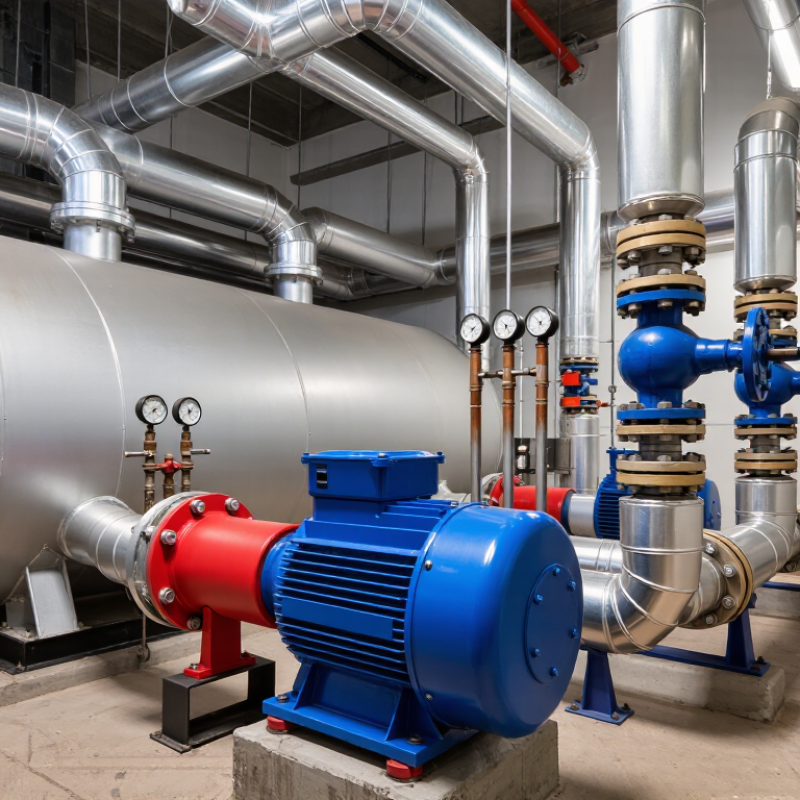
A boiler pump keeps heated water moving between the boiler, pipes, radiators, and storage areas. Without steady circulation, heat may remain trapped near the boiler while distant rooms stay cold. The pump also helps maintain even temperatures and supports safer system operation. Its role is simple, but its working conditions are not.
When choosing a boiler pump, match its flow rate and head pressure to the system’s actual needs. A pump that is too small may create cold spots and slow heating. An oversized pump can waste electricity, produce pipe noise, and increase wear. Check pipe length, bends, radiator capacity, fluid temperature, and system resistance. These details matter more than appearance. In field inspections, I have found that a quiet pump is not always a correctly sized pump.
Control features can improve performance. Variable-speed operation adjusts circulation as demand changes, while accurate temperature control can reduce unnecessary cycling. The pump must also tolerate the system’s maximum temperature and pressure. Installation position matters, too. Poor alignment, trapped air, or a clogged filter can imitate pump failure. I once blamed the pump too quickly; the real problem was air in the circuit. That mistake reinforced an important lesson: test the whole system before replacing a component. Ask a qualified heating professional to verify calculations, electrical safety, and local installation requirements.
Identifying Your Boiler System and Pump Requirements
Choosing the right boiler pump begins with identifying the system, not comparing pump boxes. Is the boiler serving radiators, underfloor loops, fan coils, or domestic hot water? Each arrangement creates different flow patterns and temperature demands. A closed hydronic circuit usually needs a different assessment from an open system or a steam installation. Check the boiler data plate, piping layout, expansion vessel, valves, and existing pump connections. Small details matter.
Measure the required flow rate and pump head from the design data whenever possible. Flow depends on heat output and the intended temperature difference between supply and return. Head must overcome pipe friction, fittings, valves, heat exchangers, and elevation effects within the actual circuit. Do not select by pipe diameter alone. That shortcut fails surprisingly often. Record fluid temperature, glycol concentration, electrical supply, connection size, and control signal. A pump rated for water may need correction for glycol mixtures.
Listen during operation. Rattling, air noise, unstable temperatures, or a cold radiator can indicate air, blockage, incorrect balancing, or an unsuitable pump. An oversized pump may create valve noise and unnecessary power use, while an undersized one leaves distant circuits cold. Verify minimum flow, operating temperature, seal materials, and compatibility with the boiler controls. Installation manuals and local safety requirements deserve careful review. I would also recheck the calculations after commissioning; real pipe conditions are sometimes less tidy than the drawing.
Comparing Boiler Pump Types and Key Specifications
Choosing the right boiler pump starts with comparing pump types, not copying an old specification. Inline circulators suit compact closed-loop systems with short pipe runs. End-suction pumps offer flexible installation and easier servicing. Primary-secondary systems may need dedicated pumps for stable flow between the boiler and heating circuits.
Key specifications should match real operating conditions. Calculate design flow from boiler output and the required temperature difference. Then check total dynamic head, including valves, strainers, elbows, and heat exchangers. A pump rated for high flow but low head may leave distant radiators cold. Confirm fluid temperature, working pressure, seal materials, motor protection, and minimum flow. Variable-speed control can reduce unnecessary throttling, but only when sensors and control logic are correctly commissioned. The U.S. Department of Energy reports that pumping systems can represent 25% to 50% of industrial facility electricity use. That makes efficiency more than a purchasing detail. The Hydraulic Institute also applies affinity laws: reducing speed can lower flow, head, and power sharply. Actual savings depend on the system curve.
Tips: Measure the operating point before selection. Record flow, differential pressure, temperature, and noise at the pump. Compare wire-to-water efficiency, not motor efficiency alone. Leave access around the seal and coupling. A smaller pump is not always better. Oversizing can cause short cycling, valve noise, and unstable temperatures. I have seen calculations look perfect, yet air trapped near the impeller changed performance. Recheck venting and commissioning records. Their absence is a warning. (Sources: U.S. DOE Pumping System Assessment Tool guidance; Hydraulic Institute pump affinity-law guidance.)
Selecting the Right Pump Size and Compatibility
Choosing a boiler pump starts with the heating system’s required flow and resistance, not just pipe diameter. Flow depends on the boiler’s heat output and the intended temperature difference between supply and return water. The pump must also overcome pressure losses through pipes, valves, filters, and heat emitters. A pump that moves too little water may leave distant radiators cool. Too much flow can create noise and waste electricity. Small details matter.
Check the pump’s performance curve against the system’s estimated flow and head. A curve shows how much water the pump can deliver at a given resistance. Comparing it with the system’s needs is more reliable than selecting by a similar-looking old unit. That shortcut can mislead. The previous pump may have been oversized, or the system may have changed.
Compatibility matters just as much as size. Confirm connection dimensions, available installation space, supply voltage, control method, and the system’s maximum temperature and pressure. Check that wetted materials suit the circulating fluid and any treatment additives. Measure the pipe spacing and note the direction of flow before ordering; a pump can fit the connection but still be awkward to install. Estimates are not exact, especially in older systems with hidden restrictions. Verify calculations against boiler documentation and the pump’s technical data, and ask a qualified heating professional to review uncertain details.
How to Choose the Right Boiler Pump?
The chart shows the approximate heating-water flow required for common boiler outputs at a design temperature difference of 20°C. Flow is calculated using Flow = Heat Output ÷ (1.163 × ΔT).
Installing and Maintaining a Boiler Pump
How to Choose the Right Boiler Pump?
Installing and Maintaining a Boiler Pump
A boiler pump must match the system’s flow rate, pressure, pipe size, and heating demand. Oversizing can create noise, waste energy, and stress valves. Undersizing may leave distant radiators cold. Check the boiler manual and system calculations before installation. A qualified technician should confirm compatibility with local safety requirements.
Start by isolating electrical power and allowing the water to cool. Close the service valves, then drain only the required section. Install the pump with its shaft correctly positioned, usually horizontally. Follow the marked flow direction. Remove trapped air before starting the pump. Even a small air pocket can cause vibration and early bearing damage.
Keep it quiet.
After commissioning, inspect joints for leaks and listen for unusual humming. Check the pressure gauge during heating and cooling cycles. Clean the system filter according to the manufacturer’s schedule. Sludge can restrict flow and damage internal parts. In hard-water areas, inspect for mineral deposits more often. I have seen pumps fail because installers ignored a dirty filter. That mistake is easy to repeat. Recheck electrical connections, isolation valves, and pump settings during annual servicing. Record pressure, temperature, and noise changes. These details help reveal gradual problems before the boiler stops heating.
| Selection or Maintenance Factor | What to Check | Practical Guidance | Installation and Maintenance Notes |
|---|---|---|---|
| System Type | Identify whether the pump serves a closed-loop hydronic heating system, domestic hot-water circulation loop, underfloor heating circuit, or a boiler primary loop. | Select a pump designed for the fluid temperature, pressure, operating pattern, and control method of that specific system. | Confirm compatibility with the boiler, pipework, valves, heat emitters, expansion vessel, and system controls before installation. |
| Required Flow Rate | Determine the heat load and the design temperature difference between supply and return water. | For water systems, a common calculation is: Flow rate (L/h) = Heat output (kW) × 860 ÷ Temperature difference (°C). For example, 20 kW at a 20°C temperature difference requires approximately 860 L/h, or 14.3 L/min. | Use the design flow rather than simply matching the boiler’s maximum output. Excessive flow can increase noise and energy use. |
| Required Head | Calculate the pressure loss through the longest or most restrictive circuit, including pipework, bends, valves, filters, heat exchangers, and emitters. | Choose a pump whose duty point meets the required flow at the calculated system resistance. Pump head is commonly specified in metres of water column. | Do not select a pump based on head alone. A pump must meet both the required flow and resistance at the same operating point. |
| Pump Control | Check whether the system requires fixed-speed, multi-speed, or electronically controlled variable-speed operation. | Variable-speed control can reduce electrical consumption and adapt flow to changing demand in systems with thermostatic or zone valves. | Set proportional-pressure, constant-pressure, or constant-speed mode according to the hydraulic design and manufacturer instructions. |
| Temperature Rating | Compare the pump’s allowable fluid temperature with the boiler’s maximum flow temperature and the actual operating range. | The pump rating must be higher than the highest expected water temperature, including abnormal but foreseeable operating conditions. | Install the pump in the recommended location. In many heating systems, the cooler return side can reduce thermal stress, but the system design always takes priority. |
| Fluid Compatibility | Check whether the system contains treated water, glycol solution, corrosion inhibitor, or another approved heating fluid. | Use a pump approved for the fluid concentration and viscosity. Glycol mixtures can increase flow resistance and reduce pump capacity. | Follow the fluid-treatment instructions and verify inhibitor or antifreeze concentration during scheduled servicing. |
| Connection Size | Match the pump connection type and nominal pipe size to the existing system. | Use suitable unions, isolation valves, gaskets, and adapters where required. Avoid reducing the pipe size immediately before the pump unless specified by the design. | Install isolation valves on both sides where practical to simplify future servicing. Never force or twist the pump housing to align pipework. |
| Installation Orientation | Confirm the permitted shaft or motor orientation for the selected pump. | For many wet-rotor circulators, the motor shaft must remain horizontal to support proper bearing lubrication and cooling. | Follow the pump installation manual. Incorrect orientation can cause noise, overheating, premature wear, or failure. |
| Air Removal | Check for air pockets in the pump chamber and nearby pipework. | Air can cause rattling, reduced circulation, cavitation-like noise, and loss of heating performance. | Fill and vent the system carefully, open automatic air vents where fitted, and use the pump’s approved air-release procedure before normal operation. |
| System Pressure | Verify cold-fill and operating pressure against the boiler and heating-system requirements. | Pressure must remain high enough to prevent air entry or vapor formation at the pump, but below the safety-valve setting. | Investigate repeated pressure loss rather than repeatedly topping up the system. Check for leaks, the expansion vessel, and the pressure-relief discharge pipe. |
| Electrical Supply | Confirm the rated voltage, frequency, protective device, cable size, and local electrical requirements. | The electrical supply must match the pump rating and be protected by appropriate isolation and overcurrent protection. | Electrical work should be completed by a qualified person. Isolate and verify the supply before removing the terminal cover or pump. |
| Noise and Vibration | Listen for humming, rattling, grinding, or vibration during operation. | Common causes include trapped air, excessive flow, incorrect speed, closed valves, debris, poor alignment, or cavitation from insufficient system pressure. | Check air removal, valve positions, system pressure, mounting, and pump settings before replacing the pump. |
| Strainer and Debris Control | Inspect the system filter, magnetic dirt separator, and pump inlet for sludge or metal particles. | Dirty system water can restrict flow and damage bearings or the impeller, especially after pipework replacement or system flushing. | Clean strainers and separators according to the service schedule and flush contaminated systems using an appropriate procedure. |
| Performance Verification | Measure supply and return temperatures, pump operating mode, system pressure, and heating response. | A stable temperature difference and balanced heat distribution generally indicate that the pump is operating near the intended design conditions. | Record baseline readings after commissioning. Compare future readings with the baseline to identify gradual loss of performance. |
| Routine Inspection | Check for leaks, corrosion, unusual noise, overheating, error codes, and loose electrical or mechanical connections. | Inspect at least annually, or more frequently in commercial, high-use, or water-quality-sensitive systems. | Keep the pump and surrounding area dry and accessible. Replace damaged seals, cables, or insulation promptly. |
| Replacement Decision | Assess age, recurring faults, energy use, available spare parts, and whether the current pump meets the system’s actual duty. | Replacement is justified when repair is unreliable, the pump is incorrectly sized, or operating costs and noise are consistently excessive. | Recalculate flow and head before replacement. A larger pump is not automatically better and may create noise, bypass flow, or control problems. |