2026 How to Choose Corrosion Resistant Metal Cable Glands
Choosing a Corrosion-Resistant Metal Cable Gland is not just a matter of picking stainless steel. The right choice depends on the installation’s environment, cable type, enclosure entry, and maintenance needs. Salt spray near a harbor, cleaning chemicals on a factory floor, and damp dust inside an outdoor cabinet create different corrosion risks. A gland that looks robust on a product page may still be wrong for the job.
Corrosion scientist Gerald Frankel’s research offers a useful general perspective. This is a paraphrased editorial takeaway, not a verbatim quotation: “Corrosion resistance depends on the material and the environment it faces.” That principle matters when comparing brass, plated brass, and stainless steel. Check the exact alloy and finish, not just the product label. Also examine seals, threads, and the mating enclosure; corrosion can begin where dissimilar metals meet or moisture collects. Small details matter.
This guide explains how to assess those details before buying. It covers exposure, material compatibility, ingress protection, cable range, and installation conditions. A datasheet is a starting point, not a guarantee. Confirm that its ratings match the real site, and ask the supplier about test methods when claims are unclear. No material is universally corrosion-proof. Even careful selection can miss a site-specific hazard, so review the choice against actual operating conditions and maintenance plans. That extra check may feel cautious. It is often worthwhile.
What Corrosion-Resistant Metal Cable Glands Are
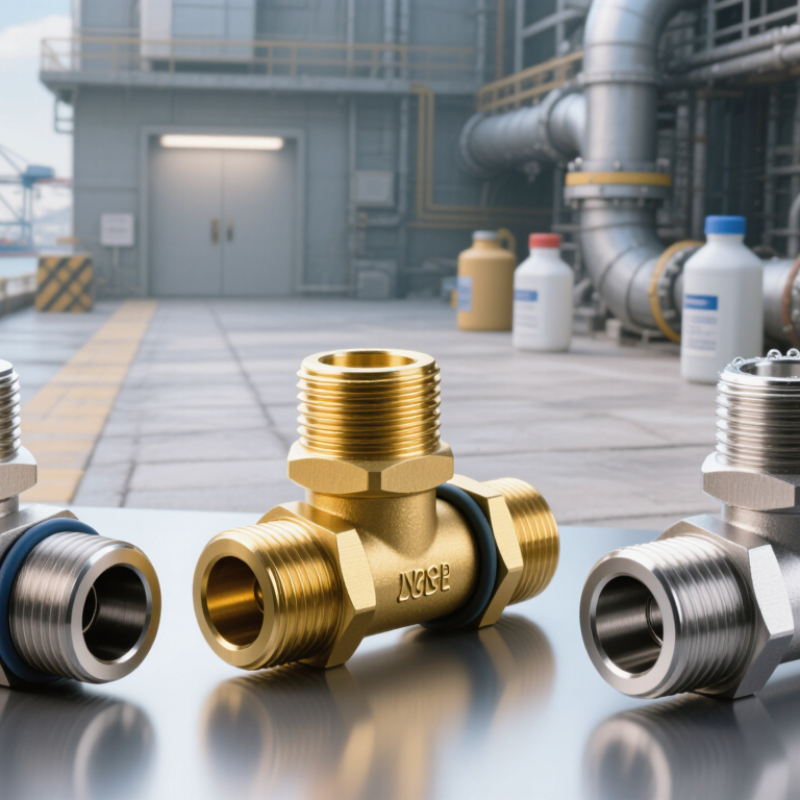
What are corrosion-resistant metal cable glands? They are threaded fittings that secure a cable where it enters an electrical enclosure. The gland grips the cable, reduces strain on its connection, and may help seal the entry against dust or moisture. That matters. Without a suitable seal, water can collect around the opening and encourage corrosion inside the enclosure.
Common materials include stainless steel and nickel-plated brass. Each can perform well, but neither is immune to every environment. Salt spray, cleaning chemicals, and trapped moisture can affect metals and surface finishes differently. A shiny surface can be misleading. Check the material and finish against the conditions at the installation site, rather than judging by appearance alone.
The gland is only one part of the assembly. Its seal must fit the cable’s diameter, and its thread must match the enclosure entry. A poorly compressed seal can leave a path for water, even when the metal resists corrosion. Dissimilar metals can also interact in wet conditions, so compatibility deserves attention. In practice, the overlooked details—cable size, sealing material, and installation torque—often determine how reliably the fitting holds up.
How Materials and Finishes Affect Corrosion Resistance
Corrosion resistance starts with the metal, but the installation environment determines how well it performs. Stainless steel often suits wet or washdown areas; grade matters. Austenitic grades containing molybdenum generally resist chloride pitting better than basic stainless grades. Brass offers strength and conductivity, yet aggressive water can cause tarnishing or dezincification. Aluminum is lightweight, but salts and contact with dissimilar metals can complicate outdoor use. Details matter.
A coating can improve protection, but it cannot compensate for every unsuitable base metal. Passivation helps stainless steel maintain its protective oxide surface; it is not a paint layer. Nickel plating can provide a barrier, while zinc coatings may wear or become damaged around threads. Inspect cut edges, threads, and sealing faces, where scratches can expose the underlying metal. Consider moisture, chemicals, temperature, and cleaning routines. A gland installed beside copper may also need electrical isolation to reduce galvanic corrosion. This detail is easy to overlook.
Tips: Check the material and finish specifications, not just the product description. Inspect sample glands after exposure to the actual site cleaner or salt spray. If the finish is scratched during installation, reassess its protection rather than assuming it remains intact.
How to Assess the Installation Environment
Assess the installation environment before comparing metal grades. A cable gland beside a coastal pump faces different exposure from one inside a dry control cabinet. Note direct salt spray, standing water, condensation, and washdown frequency. Repeated wet-dry cycles can concentrate salts around threads and joints. Record chemical names, concentrations, and temperatures from process documents; labels such as “cleaner” are too vague. Small details matter.
Inspect the cable entry point, not only the wider room. Look for trapped moisture, damaged coatings, vibration, and contact with dissimilar metals, which can encourage localized corrosion. Check whether cleaning agents reach the gland and whether rinsing removes residue. Consider temperature changes too: cooling equipment may collect condensation even in a sheltered area. A walk-through helps, but it can miss seasonal spray or occasional chemical spills. I would treat uncertain exposure as a reason to gather better site data, not as proof that a more corrosion-resistant metal will solve every problem. Confirm the required sealing level separately; corrosion resistance does not guarantee protection against water or dust ingress.
How to Match Gland Design to Cable and Enclosure
2026 How to Choose Corrosion Resistant Metal Cable Glands
How to Match Gland Design to Cable and Enclosure
Start with the cable, not the gland material. Measure the cable’s actual outside diameter, including its jacket, and compare it with the gland’s sealing range. A seal that is too loose may admit moisture; one that is too tight can deform the jacket. Small details matter. Identify whether the cable is unarmored, braided, or armored, since each construction may need a different clamping arrangement.
Next, match the gland’s entry thread to the enclosure opening. Check thread type, wall thickness, and available space for a locknut or sealing washer. On painted or coated enclosures, confirm that the fitting seats on a suitable surface rather than a fragile coating. For humid or salt-exposed locations, corrosion-resistant metal can help, but dissimilar metals may still create corrosion at the joint. Material choice alone is not enough.
Consider the whole assembly: cable, gland, washer, enclosure, and installation method. Verify that the specified ingress protection applies to this combination and the intended cable size. Tightening matters. Follow the maker’s installation instructions and avoid forcing a gland to compensate for a poor fit. A detail worth reconsidering is whether the chosen metal offers real benefit in the actual environment; a harsh specification can add cost without solving the weak point.
How to Verify Ratings, Compatibility, and Maintenance Needs
2026 How to Choose Corrosion Resistant Metal Cable Glands
Verify the rating for the complete installation, not just the gland body. Check the IEC 60529 ingress-protection rating, the cable’s actual diameter, and the specified sealing range. A gland may lose its seal if the cable is undersized, flattened, or installed at an angle. Confirm that the rating applies to the assembled enclosure and intended exposure.
Check the details. For material compatibility, consider chloride, humidity, temperature, and contact with other metals; dissimilar metals can accelerate galvanic corrosion. Stainless steel is not automatically suitable for every chemical environment.
The NACE IMPACT study estimated that corrosion costs the global economy US$2.5 trillion annually, or about 3.4% of global GDP. That figure covers corrosion broadly, not cable glands alone, but it shows why routine checks matter.
Inspect threads, sealing washers, and cable jackets for pitting, cracks, or movement. One detail is easy to overlook: a coating damaged during installation may leave a small exposed area that corrodes first. Follow the gland supplier’s installation torque and inspection guidance, and record the material and rating used.
Tips: Match the gland material to the enclosure and cable, then verify the approved cable diameter before tightening. Check seals after exposure to salt spray, washdown, or strong temperature swings. Replace damaged seals; extra tightening is not always the fix.