High Voltage Output Electric Fence Tips for Effective Use?
In the realm of agricultural and property protection, a high voltage output electric fence is a pivotal tool. According to industry reports, these fences can deter animals effectively, with up to 90% success in keeping livestock safe. Their efficiency lies in delivering potent electrical pulses that create a psychological barrier. These barriers help reduce crop damage and prevent livestock theft.
Despite their advantages, many users overlook vital installation tips. For instance, it is essential to position the fence at an optimal height. This height can influence its effectiveness against various animal species. Additionally, regular maintenance is crucial. Faulty connections can lead to diminished performance, presenting security risks.
Moreover, users need to understand the local regulations governing high voltage output electric fences. Improper use may lead to unintended consequences. Awareness of these regulations is necessary for safe operation. Reflecting on these factors ensures a more effective and responsible approach to using high voltage output electric fences.
Understanding High Voltage Output Electric Fences and Their Components
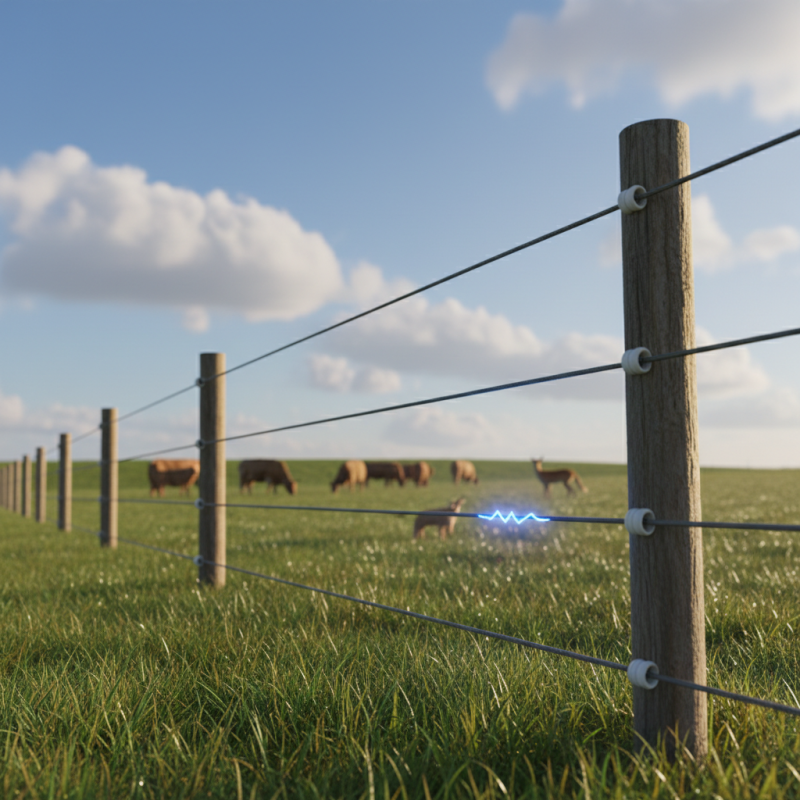
High voltage output electric fences play a pivotal role in livestock management. These systems typically operate at voltages ranging from 3,000 to 10,000 volts. This high output is crucial for keeping animals contained and protecting crops from wildlife. Understanding the components of these fences is essential. A typical system includes a charger, insulators, grounding rods, and a network of wire.
The charger generates the electric pulse, while insulators prevent energy loss by ensuring wires do not touch other materials. Grounding rods create a return path for the electric current. Proper installation is vital. Misplaced grounding rods can decrease effectiveness by up to 50%. Regular maintenance is often overlooked, but corrosion or wear can significantly impair performance.
According to industry reports, approximately 30% of electric fence failures stem from poor maintenance practices. Inspecting components and testing voltage regularly helps in identifying problems before they escalate. A practical understanding of these components can enhance efficiency. Ignoring minor issues may lead to major setbacks. An effective electric fence system relies on precise application, which requires ongoing attention and adjustments.
Choosing the Right Electric Fence Charger for Your Needs
Choosing the right electric fence charger is crucial. It depends on several factors: the type of animals, the size of the area, and the terrain. For smaller areas with light livestock, a low-output charger might suffice. However, larger properties require more powerful chargers to maintain an effective barrier.
Consider your power source. Some chargers rely on batteries while others need direct electricity. If you go for solar, ensure it has enough sunlight exposure. Also, evaluate the fence line. A well-maintained, clear fence will perform better. Rusty wires or overgrown shrubs can weaken the charge.
Moreover, don't overlook the importance of proper installation. Misplaced insulators or incorrect grounding can lead to inefficiency. Testing the voltage regularly is a good habit. If animals keep breaching the fence, it’s time to reassess. Often, a simple adjustment can make a big difference. Always be prepared to learn from these observations; they help improve your electric fencing system.
Installation Guidelines for High Voltage Electric Fences
Installing a high voltage electric fence requires careful planning and execution. Start by choosing an appropriate location. It should be visible and free of obstructions. Check the ground for rocks or roots. These can interfere with installation and operation. Ensure the area is dry. Wet soil can affect the fence’s effectiveness.
When marking the fence line, keep the spacing consistent. Posts should be no more than 10 feet apart. This will maintain proper tension on the wire. Use sturdy materials for the posts—wood or metal work best. Some users find it challenging to maintain a straight line. It may require patience and attention.
Consider grounding techniques. A poor ground can lead to weak performance. Install ground rods at least 10 feet apart from each other. Proper grounding is often overlooked. Test the electric output after installation. This will help identify any weak points. Don't forget the surrounding area. Regular inspections can prevent unexpected issues. Observing weather changes is essential. High winds or heavy rain can impact the fence’s function.
Safety Tips for Operating High Voltage Electric Fences
Operating high voltage electric fences requires careful attention to safety. These fences are designed to keep livestock in and predators out. However, safety should always be the top priority. Always wear protective gear when working near the fence. Gloves and rubber boots can prevent accidental shocks during maintenance. Check the ground conditions too. Wet soil can increase the shock intensity.
Inspect the fence regularly. Look for damaged insulators or tangled wires. Ignoring small issues can lead to greater hazards. It's crucial to ensure that the fence is clearly marked to avoid accidental contact by humans or animals. A simple sign can alert passersby. Training others who help manage the fence is equally important. Everyone should know how to operate and respect the electric fence.
Consider seasonal changes. Wet weather can lead to increased risk. During rain, the electric charge can travel farther than expected. Always supervise children and pets around the fence. Sometimes, they may not understand the danger. Review safety protocols frequently. It's easy to become complacent. Regular discussions about safety keep everyone aware and vigilant.
High Voltage Output Electric Fence Safety Tips
Maintaining and Troubleshooting Your Electric Fence System
Maintaining an electric fence requires regular attention. Start by checking for any visible signs of wear. Look for damaged wires or broken insulators. Even small cracks can reduce effectiveness. Make sure to inspect connections regularly. Loose connections can lead to voltage drops.
Troubleshooting is key to a functioning system. If you notice a drop in voltage, consider the ground system. It is crucial for the fence to operate efficiently. Test grounding rods at least once a year. Ensure they are intact and properly buried.
Here are some maintenance tips. Keep the area around the fence clear. Overgrown vegetation can cause interference. Trim any plants that come too close. Regularly test the voltage output with a meter. This simple action can prevent bigger problems later on.
Always be attentive to signs of animal activity near the fence. It may indicate that repairs are needed. Every detail matters in ensuring your electric fence works effectively.