What is a Gasoline Parking Heater and How Does It Work?
Gasoline Parking Heaters are essential for vehicle owners in cold climates. They offer efficient heating solutions for parked vehicles, ensuring comfort during winter months. According to a market analysis by ResearchAndMarkets, the global parking heater market is projected to reach over $1 billion by 2027. This surge is driven by the growing demand for convenient heating options.
These heaters operate by using gasoline from the vehicle’s fuel tank to heat the coolant, which then warms the cabin. Their efficiency can significantly reduce fuel consumption and emissions compared to idling the engine. This is not just about comfort; it also reflects a shift towards more environmentally conscious technologies.
However, the installation and maintenance of a Gasoline Parking Heater can sometimes pose challenges. For instance, improper installation may lead to inefficient heating or even safety risks. Users need to be aware of these potential downsides. As this technology evolves, addressing these concerns will be crucial for broader acceptance in the automotive market.
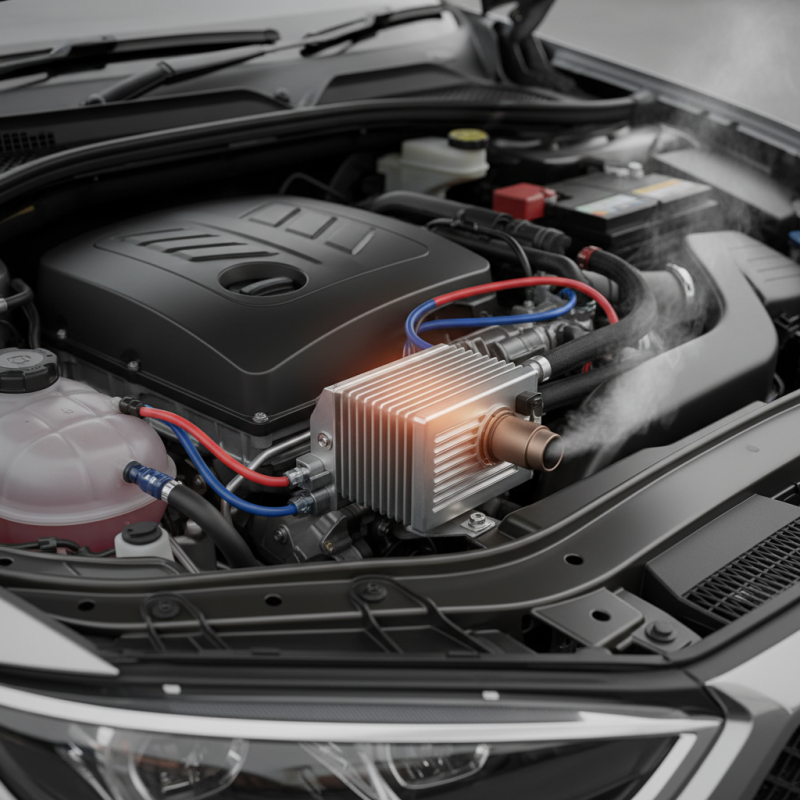
What is a Gasoline Parking Heater?
A gasoline parking heater is a compact device designed for heating the interior of vehicles. It operates using gasoline, making it distinct from traditional electric heaters. These heaters are popular in colder climates, as they provide warmth without needing to idle the engine.
The device is typically installed in the vehicle and connected to the fuel system. When activated, it combusts gasoline and generates heat. This heat is then directed into the cabin, creating a comfortable environment within minutes. Some heaters come with timers or remote controls, allowing users to preheat their vehicle before entering. However, proper installation is crucial for efficiency and safety.
Many users appreciate the quick heat, but there are challenges. Fuel consumption can become a concern for some. If not maintained properly, these heaters might produce unwanted emissions. Regular checks are essential to ensure optimal performance. Users must be aware of the surrounding environment when operating these devices, especially in enclosed spaces. Balancing convenience with responsibility is key when using a gasoline parking heater.
Gasoline Parking Heater Usage and Efficiency
This bar chart illustrates key metrics of gasoline parking heaters, including fuel consumption, heat output, average noise level, and operational cost. Understanding these parameters helps consumers make informed decisions regarding their heating needs.
Key Components of Gasoline Parking Heaters
Gasoline parking heaters are becoming popular in colder regions. Their efficiency and design play a crucial role in vehicle comfort during winter. Understanding the key components of these heaters reveals how they function effectively.
The heart of a gasoline parking heater is the burner. It generates heat by burning gasoline, which heats the air or coolant in the engine. According to industry reports, these heaters can provide over 2 kW of heat output, rapidly warming up the vehicle's interior. Another critical component is the fuel pump. It ensures a steady supply of gasoline to the burner. Typically, these pumps operate quietly and can deliver fuel at pressures exceeding 1 bar.
In addition to the burner and fuel pump, a control unit coordinates the heater’s operation. This smart component monitors temperature and adjusts fuel flow accordingly. Many heating systems use advanced microcontrollers. Recent studies indicated that improperly calibrated control units can lead to inefficient heating, causing delays in warm-up times. In some extreme cases, this can even affect the vehicle's battery life, creating further issues for the user. Balancing efficiency with functionality remains a challenge in heater design.
How Does a Gasoline Parking Heater Work?
A gasoline parking heater is a clever solution for keeping your vehicle warm. It operates on a simple principle: heating the cabin before you even enter. Imagine getting into your car on a frosty morning and finding it cozy inside. This device makes that experience possible.
So, how does a gasoline parking heater work? It draws fuel from the vehicle’s fuel tank. The heater ignites the gasoline, creating heat that warms the coolant. This heated coolant circulates through the engine and cabin. You can set a timer to warm the engine and interior before starting your journey.
The design also has some drawbacks. Sometimes, the heater might fail to ignite properly. Fuel might not flow as expected. These issues can leave you with a cold car. There’s room for improvement here. However, maintaining the heater regularly can help mitigate these problems. In essence, it's a convenient yet sometimes finicky solution for chilly weather.
Advantages of Using Gasoline Parking Heaters Over Other Systems
Gasoline parking heaters offer unique benefits compared to other heating systems. One major advantage is their efficiency. According to a recent industry report, these heaters can produce heat in less than 10 minutes. This rapid heating minimizes fuel consumption and keeps energy costs low. In colder climates, they provide essential warmth for vehicles, which is crucial for both comfort and engine performance.
Another benefit lies in their portability. Gasoline parking heaters are easy to install and can be used in various settings. They can be installed in vans, trucks, or any vehicle needing warmth. This flexibility makes them a practical choice for fleet operators, ensuring that drivers start their shifts in comfortable conditions. The use of these heaters can improve worker productivity, especially in outdoor jobs.
Tips: Ensure proper installation and maintenance of your Gasoline Heater to maximize safety and efficiency. Regular inspections can detect potential issues early. It's worth noting that while gasoline heaters are effective, they produce emissions. Consider using them in well-ventilated areas to avoid air quality issues.
What is a Gasoline Parking Heater and How Does It Work? - Advantages of Using Gasoline Parking Heaters Over Other Systems
| Feature | Gasoline Parking Heater | Other Heating Systems |
| Installation Cost | Moderate | High |
| Fuel Type | Gasoline | Electricity / Propane |
| Heating Efficiency | High | Variable |
| Operation Time | Quick Warm-Up | Slower Warm-Up |
| Environmental Impact | Moderate | Low (electric) |
| Maintenance | Low | Moderate to High |
| Temperature Control | Good | Often better |
Common Applications and Usage Scenarios for Gasoline Parking Heaters
Gasoline parking heaters are handy for those who face cold weather. These devices efficiently heat the interior of a vehicle while it remains parked. They are especially useful in regions where winters are harsh. Fleet vehicles, buses, and trucks benefit greatly from using these heaters.
In commercial fleets, gasoline parking heaters can reduce engine wear. Starting a cold engine can lead to increased wear and tear. It can be inconvenient for drivers who need to start their work in freezing temperatures. A pre-warmed cabin makes it easier to begin the day comfortably.
Tips: Ensure proper installation to avoid complications. Regular maintenance can also enhance performance and extend the heater's lifespan.
Additionally, outdoor enthusiasts benefit from these heaters during winter trips. They provide warmth in RVs or campers parked in cold areas. This comfort can change an experience from tolerable to enjoyable. However, users should remember to monitor fuel levels meticulously. Running out of fuel can lead to an unexpected cold night, which can simply ruin plans.