What is a Filter Drier and How Does It Work?
In the world of HVAC systems, the importance of a Filter Drier cannot be overstated. According to industry expert Dr. Emily Chen, "A well-functioning Filter Drier is essential for optimal refrigerant management." This device ensures that moisture and contaminants are removed from the refrigerant, safeguarding the system's integrity. It operates by absorbing moisture and filtering out impurities, which, if left unchecked, can lead to severe mechanical failures.
Filter Driers come in various forms, each designed for specific applications. For instance, a bi-flow Filter Drier is commonly used in heat pumps, where refrigerant flows in both directions. This versatility showcases their critical role in maintaining system efficiency. Without a reliable Filter Drier, HVAC systems risk contamination, leading to costly repairs and decreased performance.
However, not all Filter Driers are created equal. Selection based on system requirements, refrigerant type, and climate conditions is vital. Engineers must evaluate these factors carefully. Reflection on past failures in Filter Drier selection can lead to more informed decisions. Understanding the nuances of Filter Drier operations can help in achieving a more reliable and efficient HVAC system.
What is a Filter Drier?
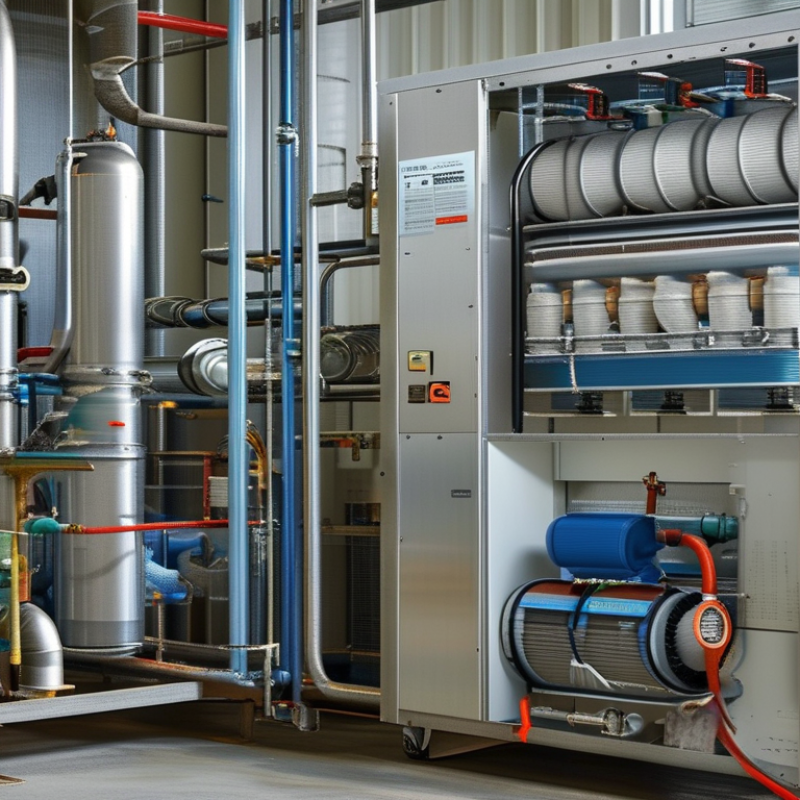
A filter drier is an essential component in many HVAC systems. It works to remove moisture and contaminants from refrigerants. By ensuring that the system operates smoothly, it helps prolong the lifespan of key components.
Filter driers contain desiccants that absorb moisture. When moisture is present, it can cause serious damage. This includes compressor failure and system inefficiency. The drier filters out harmful particles, preventing clogs and leaks. Regular maintenance can help catch problems early.
Tips: Check your filter drier regularly for leaks. Replace it as needed to ensure optimal performance. Also, pay attention to unusual sounds from your HVAC system. These can be early signs of trouble. Monitoring air quality is also important. It keeps your environment comfortable and protects your system.
Functions and Components of a Filter Drier
A filter drier is a critical component in refrigeration and air conditioning systems. It helps to maintain system efficiency and longevity. The primary functions of a filter drier include removing moisture, contaminants, and acids from the refrigerant. Moisture can lead to corrosion and damage, making this function vital. Studies show that over 30% of system failures are due to moisture-related issues.
Inside a filter drier, various components work together. The desiccant material absorbs moisture, while the filter medium traps solid particles. The combination of these elements ensures clean refrigerant flows through the system. Regular monitoring of filter driers can prevent potential breakdowns. In some cases, users may overlook this essential maintenance step, leading to significant operational costs.
The design of filter driers can vary, but they typically feature a cylindrical shape, facilitating gas flow. While they effectively enhance system reliability, users must be cautious. Not all driers fit every application. Mismatching can diminish efficiency and void warranties. Educating personnel on proper installation can reduce errors. Over time, the effectiveness of desiccants diminishes, requiring periodic replacements to uphold performance.
Filter Drier Efficiency Comparison
This bar chart illustrates the performance efficiency of various functionalities of filter driers, including moisture removal, contaminant removal, and their maximum capacity. Each metric is evaluated on a scale of 0 to 100%, showcasing their effectiveness in refrigeration systems.
How a Filter Drier Removes Moisture and Contaminants
A filter drier is an essential component in refrigeration and air conditioning systems. It plays a crucial role in removing moisture and contaminants from the refrigerant. Excess moisture can lead to corrosion and system inefficiency. According to industry reports, around 30% of HVAC system failures are attributed to moisture-related issues.
The filter drier typically contains desiccants that absorb moisture effectively. These materials can capture water vapor, ensuring the refrigerant remains dry. A study from the Air Conditioning, Heating, and Refrigeration Institute (AHRI) indicates that systems with properly functioning filter driers experience up to 25% greater efficiency. Contaminants, like acids and particulates, are also filtered out. This filtration prevents damaging components, ensuring longevity and reliability in the system.
However, filter driers can become saturated over time. When this occurs, their effectiveness decreases. It's essential to monitor system performance regularly. Many technicians recommend replacing filter driers every few years to maintain optimal function. Ignoring this maintenance can lead to reduced system performance and increased energy consumption. Proper installation and regular checks are vital for a well-functioning HVAC system.
Installation and Maintenance of Filter Driers
Filter driers play a crucial role in HVAC systems, ensuring moisture and contaminants are removed from refrigerants. Proper installation and maintenance are vital for maximizing efficiency. Inadequate installation can lead to blockages or leaks. For example, the Air Conditioning Contractors of America indicates that improper system maintenance can reduce efficiency by up to 30%.
Regular checks should be performed to ensure filter driers are functioning correctly. Clean or replace them routinely, ideally every six months. This helps maintain optimal performance and prevents refrigerant contamination. If your system shows signs of increased energy consumption, inspect the filter drier. The National Association of Refrigerated Air Conditioning suggests keeping records of maintenance. This practice allows you to identify patterns and potential issues early on.
**Tip:** Always use correct tools to avoid damaging components during installation.
Moisture accumulation can lead to severe system damage. Be on the lookout for signs like decreased cooling capacity. Address issues promptly to avoid costly repairs. Filter driers are essential, but they require careful attention to run efficiently.
What is a Filter Drier and How Does It Work? - Installation and Maintenance of Filter Driers
| Aspect | Details |
| Definition | A filter drier is a component used in refrigeration systems to remove moisture and contaminants from refrigerants. |
| Function | It absorbs moisture and filters out impurities, preventing them from circulating through the system. |
| Common Types | Molecular sieve, desiccant bag, and activated alumina. |
| Installation | Typically installed in the liquid line of a refrigeration system, following the expansion device. |
| Maintenance | Regular inspections are needed; replace if it becomes saturated or damaged. |
| Symptoms of Failure | Increased pressure, reduced cooling efficiency, and compressor strain. |
Common Issues and Troubleshooting Tips for Filter Driers
Filter driers are crucial components in refrigeration and air conditioning systems. They prevent moisture contamination and filter out particles, ensuring the system operates efficiently. However, they can encounter common issues that demand attention.
One typical problem is blockage due to accumulated debris. According to industry reports, nearly 30% of refrigeration issues stem from clogged filter driers. When the drier is blocked, it leads to decreased performance. Refrigerants cannot circulate properly, causing temperature fluctuations and compressor strain. Regular checks and replacement every one to two years can mitigate these issues.
Another concern is moisture retention. Filter driers lose effectiveness over time. A study indicated that filter driers could absorb up to 500 grams of moisture before saturation. Once saturated, they no longer protect the system. It's essential to monitor moisture levels, especially in environments with high humidity. Regular maintenance practices can help catch these issues early and prolong the life of the entire system.