
Blog
How to Choose the Right Automated Barrier for Your Business
Choosing the right Automated Barrier is more than selecting a gate that opens quickly. It means matching access control to your site, traffic, safety needs, and daily operating routine. A warehouse entrance may need to handle frequent truck movements, while an office car park may prioritize smooth entry during the morning rush. Picture the queue at 8 a.m., rain on the vehicle sensors, and a delivery van waiting behind a visitor. Small details matter.
Security technologist Bruce Schneier offers a useful principle: “Security is a process, not a product.” His words apply to barrier planning: the equipment is only one part of a dependable access system. The right choice also depends on installation quality, user training, maintenance, and a realistic plan for power or communication failures. No barrier solves every problem. That is worth remembering.
This guide explores the practical questions businesses should ask before choosing a system. We will look at traffic volume, barrier type, opening speed, safety features, access controls, installation conditions, and ongoing service. We will also consider what happens when real conditions differ from the neat assumptions in a specification sheet. A careful comparison can help you avoid paying for features your site does not need—or overlooking details that become costly later.
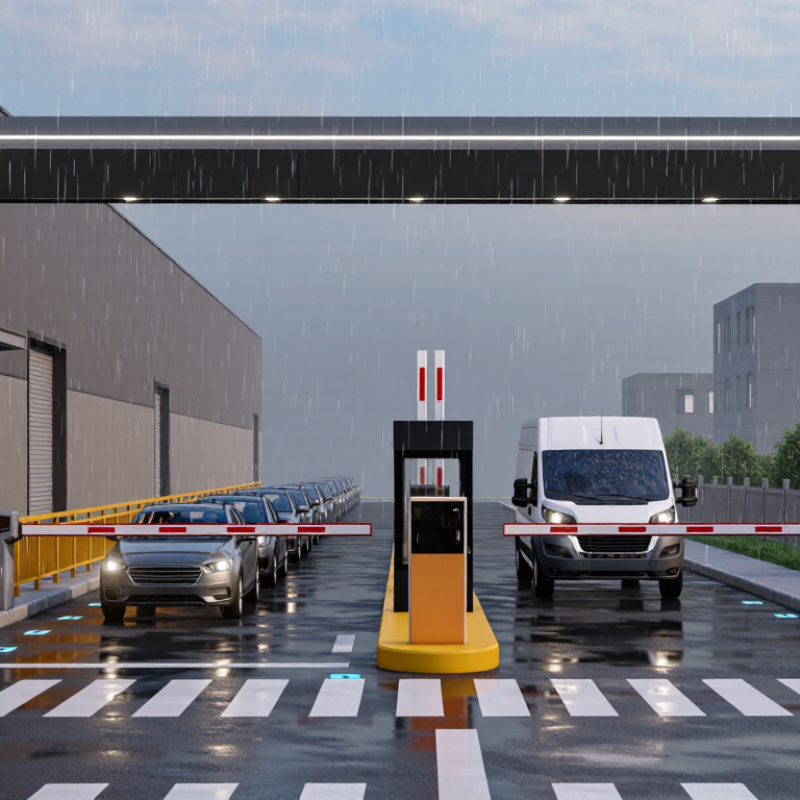
Define Peak-Hour Traffic and Required Duty Cycle Before Selecting a Barrier
Measure traffic during the busiest 15-minute periods, not just across an average day. Count vehicles by lane and note queues, shift changes, and delivery windows. A barrier cycle typically includes one opening and one closing movement. Count both. If one vehicle triggers a full cycle, 40 vehicles in 15 minutes can mean 160 cycles per hour at that pace.
Compare that peak rate with the barrier’s specified duty cycle, and check how the manufacturer defines it. Some ratings describe cycles per hour; others indicate intermittent operation over a longer period. Ask whether the rating assumes cool weather, short boom arms, or pauses between movements. Heat, frequent reversals, and long arms can increase mechanical strain. Leave margin. Selecting a unit that only just meets the estimated peak may cause overheating or slow operation when traffic surges.
For example, a staff entrance handling 30 cars in ten minutes may need more capacity than its daily total suggests. Also observe how long drivers take to approach and clear the lane. A sensor delay or cautious vehicle may keep the barrier open longer, while closely spaced cars can demand rapid repeat cycles. Estimates are imperfect; real traffic rarely arrives in neat intervals. Review counts from several busy days, then discuss the operating pattern and expected cycles with a qualified installer before choosing a model.
Match Lane Width to Boom Lengths, Commonly 3–6 m
Choosing a boom length starts with the clear lane opening, not the painted lane markings. Measure from the barrier’s pivot point to the far edge the arm must protect. A small offset can leave a gap beside a curb or island. Check where mirrors, delivery vehicles, and turning wheels actually pass.
Many automated barriers use booms around 3–6 m long. A narrow car entrance may need less reach, while a broad service lane can require more. The arm should cover the opening without striking walls, signs, or vehicles waiting nearby. Allow for the pivot housing, too; it takes up space at the lane edge.
A drawing may look exact, yet a site visit can reveal a column or uneven kerb that changes the useful width. This is easy to miss.
Consider how vehicles approach. If drivers turn sharply, the vehicle’s front may sweep wider than the lane itself. For longer booms, ask the supplier to confirm the barrier’s rated arm length and suitable operating conditions. Wind exposure and frequent cycling can affect the required equipment.
Don’t choose a longer arm just to be safe; extra reach can create clearance and load issues. Mark the proposed pivot and arm path on the ground, then check it with a typical vehicle. A little awkward measuring now is better than discovering the mismatch after installation.
Compare Opening Times, Often Rated at 2–6 Seconds per Cycle
How to Choose the Right Automated Barrier for Your Business
Opening times are often rated at 2–6 seconds per cycle, but check what “cycle” means. Some specifications describe raising or lowering the arm; others may refer to a complete movement. Ask the supplier to define the figure and confirm how it was measured. A two-second opening sounds impressive. It may not describe your site’s real wait.
Consider the full traffic pattern. A barrier serving a quiet staff entrance has different demands from one handling a steady line of delivery vehicles. Watch the approach during a busy period. Note how quickly vehicles arrive, how long they pause, and whether queues could block nearby routes. Even a few seconds can matter when traffic builds. Still, faster is not always better.
Check whether the quoted time applies to the arm length and operating conditions you need. Longer arms, frequent use, and safety checks can affect performance. Ask for expected opening and closing times separately, plus the recommended duty cycle. A useful detail: time several real approaches before choosing. One observation may mislead. It is easy to focus on the headline speed and overlook safe vehicle detection or smooth closing. Those details deserve equal attention.
Check Safety Compliance Against UL 325 and EN 12453
When comparing automated barriers, check which safety standard applies to the installation. UL 325 is used in the United States for gate operators and related entrapment protection. EN 12453 addresses safety in the use of powered doors and gates in European contexts. Requirements depend on the system, location, and current edition. Ask the installer to identify the applicable standard, not just say the equipment is “compliant.”
Look closely at how the barrier behaves in real conditions. A vehicle may stop under the arm, a person may walk beside it, and rain can affect sensors. Ask how entrapment hazards are assessed and what protective devices are specified, such as photoelectric sensors or safety edges. Small gaps matter. Confirm that devices are positioned and tested for the actual site, not merely listed in a product document.
Request installation records, test results, and a clear maintenance schedule. Check how the system responds to a sensor fault or power loss, and how authorized staff can release it manually. A neat checklist can still miss a weak point, especially when traffic patterns change after installation. Have a qualified professional review the layout and verify operation against the applicable standard and local requirements. Don’t assume one certificate covers every configuration.
Specify Weather Protection by IP Rating, Such as IP54 for Dust and Splash Resistance
An IP code describes the protection of an enclosure, not the entire barrier installation. IEC 60529 defines the rating’s two digits separately. In IP54, “5” means dust ingress is limited and must not interfere with operation or safety; it does not mean completely dust-tight. “4” means protection against splashing water from any direction. This can suit a cabinet beside a driveway, where grit and rain are common. It is not waterproof.
Check the rating of the actual motor, control cabinet, and other exposed components. Cable entries, door seals, and installation openings matter too; a strong enclosure rating cannot compensate for poorly sealed gaps. IEC 60529 specifies test conditions, so ask for documentation covering the assembled equipment, not just a bare cabinet. Small detail. Big difference.
IP54 may be inadequate where water jets, flooding, or heavy dust are likely. Consider the site’s cleaning methods and weather exposure before choosing a higher rating. A higher number is not automatically the right answer, and an IP rating does not address corrosion or long-term seal wear. Field conditions are messy; inspect seals and cable glands during routine maintenance, even when the paperwork looks perfect.