
Blog

7 Tips to Choose the Best Pouch Cell Trimming Machine?

Choosing the right Pouch Cell Trimming Machine has become a production decision, not merely an equipment purchase. The International Energy Agency reported that global battery demand for electric vehicles exceeded 750 GWh in 2023, rising by about 40% from the previous year. This growth places greater pressure on cell manufacturers to improve throughput, edge quality, safety, and process consistency. A poorly trimmed pouch can create burrs, damaged sealing films, or alignment problems during later assembly. Small defects can become expensive failures.

This guide presents seven practical tips for evaluating a Pouch Cell Trimming Machine. The recommendations consider cutting accuracy, servo control, tooling life, dust management, changeover time, operator safety, and after-sales support. These factors reflect real production concerns observed across pilot lines and high-volume battery plants. Benchmarking data from BloombergNEF’s battery price surveys also shows continuing pressure to reduce manufacturing costs, making stable equipment performance increasingly valuable. A fast machine is not automatically a good machine. It must also protect the pouch film and maintain repeatable dimensions at production speed.

No machine is perfect. Even experienced teams can overlook maintenance access or waste collection during supplier evaluations. That mistake can surface later beside a noisy trimming station, scattered aluminum scraps, and rising downtime. Careful testing, sample validation, and transparent supplier records therefore matter. The following tips help engineers, purchasing teams, and plant managers compare machines with greater confidence and fewer assumptions.
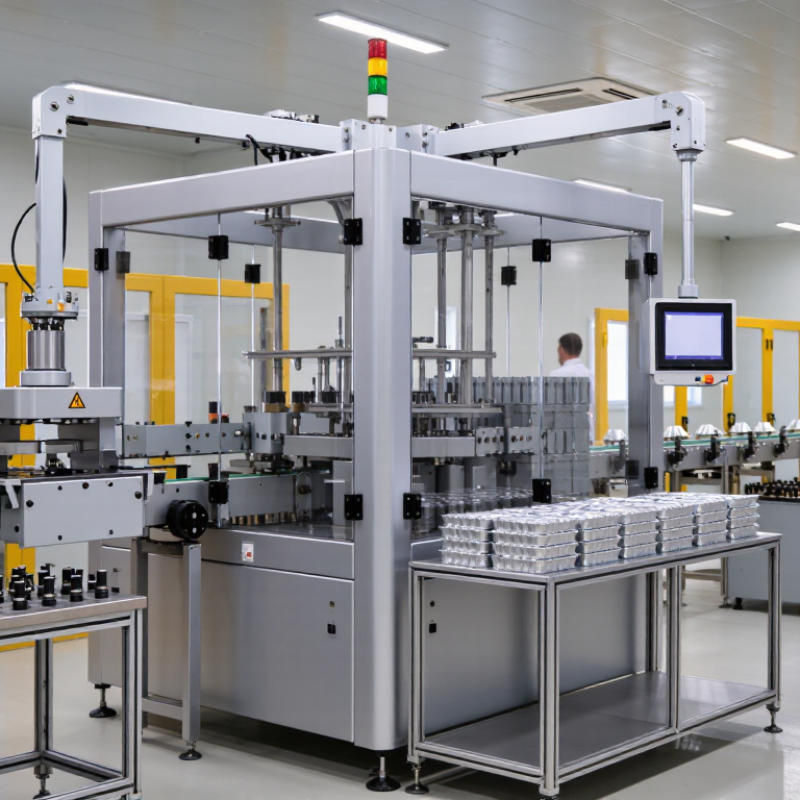
7 Tips to Choose the Best Pouch Cell Trimming Machine?

What Is a Pouch Cell Trimming Machine and Why Does It Matter?

A pouch cell trimming machine removes excess aluminum-plastic film after heat sealing. It creates a clean, controlled edge around the finished cell. This step looks simple, but small cutting defects can affect stacking, insulation, and later module assembly. The International Energy Agency reported that global electric-vehicle battery demand exceeded 750 GWh in 2023. Higher volumes make stable trimming increasingly important.

When selecting equipment, check seven practical points: cutting accuracy, burr control, dust management, cycle time, tooling life, recipe adjustment, and operator safety. Ask for measured tolerances, not attractive samples. A reliable machine should handle different pouch sizes without forcing frequent manual corrections. It should also collect film scraps before they reach sealing or inspection areas. That detail matters.

Look closely at repeatability. One clean cut proves little. Request long-run test data, including edge variation and rejected-cell rates. The U.S. Department of Energy’s Vehicle Technologies Office has repeatedly linked manufacturing consistency with battery quality and production cost. However, trimming alone cannot repair poor sealing or incorrect cell alignment. This is where buyers sometimes expect too much. Check blade access, changeover time, sensor stability, and service documentation. A machine that runs quickly but creates hidden particles may cost more during downstream inspection. Choose evidence over impressive speed claims.

How to Match Machine Capacity with Your Production Requirements

Choosing a pouch cell trimming machine is less about advertised speed than your real production rhythm. Start with hourly demand, working shifts, product dimensions, and planned changeovers. Calculate required output from accepted cells, not total processed cells. Include loading, trimming, inspection, and unloading time. Small delays accumulate quickly. An 80-cell-per-minute machine may look suitable, yet frequent stops can reduce usable capacity below 60 cells per minute. Ask for cycle-time data under conditions close to yours. Use similar pouch thickness, tab arrangement, trimming tolerance, and operator workflow. Request a trial with representative samples. Measure good cells per hour, scrap rate, restart time, and tool-change duration.

Capacity should also leave controlled headroom. Many factories target 15 to 25 percent above average demand. This buffer absorbs maintenance, material variation, and seasonal peaks without forcing unsafe speeds. However, excessive capacity can create unnecessary capital cost and long idle periods. Match the machine to your next realistic growth stage, not an optimistic forecast. Check whether software stores several pouch formats and trimming recipes. Fast format changes matter when batches are small. Confirm that the feeder, conveyor, extraction system, and inspection station support the same rate. A fast trimmer paired with a slow downstream station is still a bottleneck.

Reliability depends on more than motor power. Review uptime records, maintenance intervals, spare-part availability, and operator training requirements. Ask how the machine behaves after a sensor fault or emergency stop. Recovery should be clear, repeatable, and documented. Do not ignore floor space, power quality, dust control, or noise exposure. These details affect installation and long-term output. Even a careful capacity model can miss a difficult changeover. Recheck it using measured trial data before approving the purchase.

Which Cutting Accuracy and Trimming Methods Should You Compare?

Choosing a pouch cell trimming machine starts with the cutting result, not the advertised speed. The IEA’s Global EV Outlook 2024 reported more than 750 GWh of electric vehicle battery demand in 2023. That scale makes stable accuracy essential. Compare dimensional tolerance, repeatability, edge burrs, and seal protection under real production conditions. A machine holding ±0.1 mm may look excellent. However, that figure means little without material thickness, speed, and measurement method.

Mechanical shearing usually offers fast, clean production with lower energy use. Rotary die cutting suits repeatable shapes, but tooling changes can slow flexible production. Laser trimming removes direct tool contact and may reduce mechanical deformation. Heat-affected edges remain a concern. Inspect the polymer seal after cutting, not only the outline. A damaged seal can appear acceptable before formation, then fail during pressure testing. That is an easy detail to miss.

BloombergNEF’s 2024 Battery Price Survey placed average lithium-ion pack prices at 115 dollars per kWh, down 20% year over year. This pressure encourages manufacturers to reduce scrap, yet maximum speed is not always the best choice. Ask suppliers for samples from your actual aluminum-plastic film. Measure burr height, dust, corner radius, and repeatability across several shifts. I would also compare vision correction and automatic waste removal. These features sound minor. They often decide whether accuracy survives daily operation. My own evaluation would still leave room for doubt, because material batches and operator setup can change the result.

How to Evaluate Safety, Automation, Maintenance, and Operating Costs?

Choosing a pouch cell trimming machine starts with safety, not speed. The IEA’s Global EV Outlook 2024 reports that electric vehicle battery demand exceeded 750 GWh in 2023, rising about 40% in one year. That growth increases pressure on production lines, but faster trimming can expose sharper foil burrs, dust, and heat-related risks. Check guarded cutting zones, door interlocks, emergency stops, extraction, and fire detection. Ask for test results using your actual pouch material, not only a supplier’s sample.

Automation should make defects visible. A useful machine records recipe settings, blade life, alarms, and rejected cells. Vision inspection can detect uneven edges before sealing or stacking. Deloitte’s 2024 Smart Manufacturing and Operations Survey found that 86% of surveyed manufacturers expect smart manufacturing to become important for competitiveness. Still, more sensors do not guarantee better production. Operators need clear screens, controlled access, and simple changeover steps. Keep the system understandable.

Maintenance costs deserve a practical review. Request mean time between failures, spare-part lead times, cleaning intervals, and a written service plan. Examine blade replacement beside the machine, where metal dust may collect. Calculate electricity, compressed air, consumables, labor, scrap, and planned downtime over five years. A low purchase price can become expensive through frequent alignment work. I would also challenge perfect uptime claims; a supervised trial often reveals problems that a polished brochure hides.

How to Choose the Best Pouch Cell Trimming Machine

Recommended evaluation weighting for comparing machine safety, automation, maintenance, and operating costs.

Safety and automation receive the highest weighting because they directly affect operator protection, process consistency, throughput, and defect reduction. Maintenance and operating costs should be assessed over the machine’s expected service life, while trimming quality confirms whether the equipment meets pouch cell production requirements.

What Supplier Support and Customization Options Should You Check?

7 Tips to Choose the Best Pouch Cell Trimming Machine

Supplier support matters as much as cutting accuracy. The IEA reported that global electric vehicle battery demand exceeded 750 GWh in 2023, rising about 40%. This growth increases pressure on stable pouch-cell production. Ask whether the supplier provides installation, operator training, spare blades, and rapid remote diagnostics. Request service-response times in writing. Vague promises become expensive during line stoppages.

Check seven practical points: sample testing, trimming tolerance, tooling life, changeover time, software access, safety documentation, and local maintenance. Send real cells, including thin, thick, and slightly misaligned samples. A machine that performs well on perfect samples proves little. Ask for recorded test results, not only polished demonstrations. Confirm whether operators can adjust recipes without replacing major hardware. Also inspect dust control around the trimmed edge.

Customization should cover pouch dimensions, tab positions, film materials, and future cell formats. According to BloombergNEF’s 2024 Battery Price Survey, average lithium-ion pack prices fell to 115 dollars per kWh. Cost pressure is real. However, the cheapest machine may create hidden scrap. Require acceptance criteria for burr height, seal protection, throughput, and repeatability. I would also review calibration records and software update policies. A perfect checklist does not exist. Leave room for a second factory trial. That step is often overlooked.