How to Choose the Right Print Inspection Systems for Your Needs?
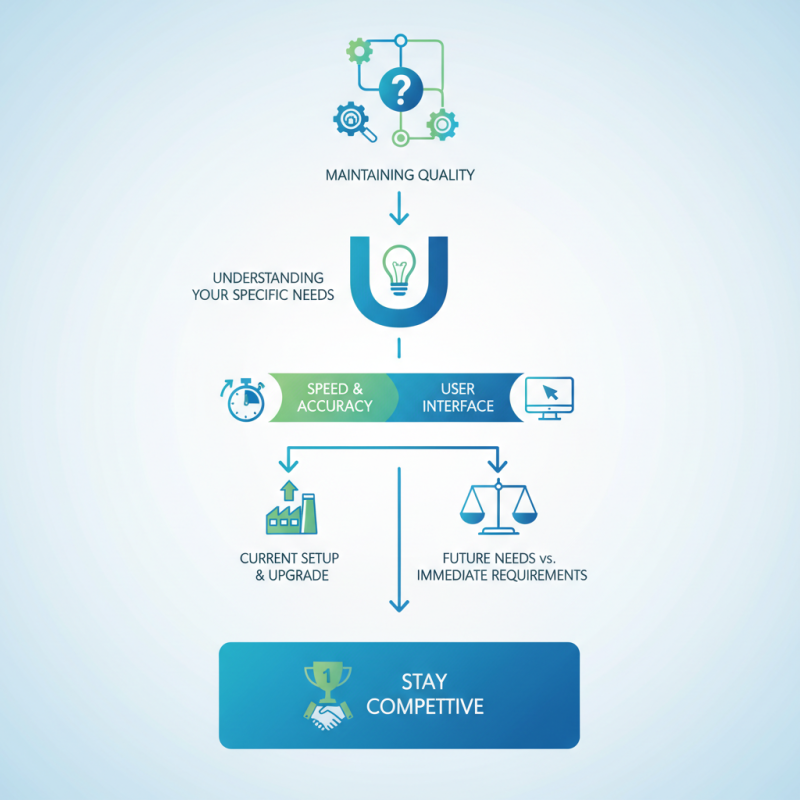
Choosing the right Print Inspection Systems is essential for maintaining quality in printing processes. With various options available, the decision can be overwhelming. Understanding your specific needs is crucial. Each printing application has unique demands, which means a one-size-fits-all solution often falls short.
When considering Print Inspection Systems, focus on key factors like speed and accuracy. Systems need to detect defects in real-time. A delay in identifying issues can lead to costly reprints. It’s also important to evaluate the system’s user interface. Complicated systems may hinder quick adjustments and slow down production.
Reflect on your current setup and areas for improvement. You might find that an upgrade can enhance efficiency. However, precise evaluation is necessary before making a commitment. Balancing future needs with immediate requirements is vital. Selecting the right system ensures you stay competitive in the printing industry.
Understanding the Different Types of Print Inspection Systems Available
When selecting a print inspection system, it’s crucial to understand the types available. One common type is the 2D inspection system. This system focuses on detecting print quality in terms of color and alignment. It’s ideal for basic applications but may miss more complex defects. Consider whether this simplicity aligns with your needs.
Then, there’s the 3D inspection system. Unlike 2D systems, these can identify surface anomalies and variations in embossing and textures. This can be particularly useful for packaging materials. However, they may come with a higher price tag. Are you ready to invest in this advanced technology?
Additionally, there are hybrid systems that integrate both 2D and 3D functionalities. They provide a comprehensive solution by combining the strengths of both methods. But, they can be overwhelming for some users. Proper training is essential. Ultimately, reflecting on your specific print requirements can guide you toward the right choice.
Key Factors to Consider When Selecting Print Inspection Technologies
When selecting print inspection technologies, several key factors come into play. The type of printing you use has a significant impact on your choice. For instance, digital printing often requires different inspection systems than offset printing. A recent industry report shows that about 45% of manufacturers struggle with quality assurance in digital printing. Understanding your specific printing method can greatly enhance your decision-making.
Another crucial aspect is the speed of the inspection process. Many systems are available, but not all can keep pace with high-speed printing. According to a study, 65% of print defects occur during high-speed production. Therefore, choosing a system that can detect defects in real-time is vital. Systems that provide immediate feedback help reduce waste and improve overall quality.
Integration with existing workflows is also a significant factor. Many companies face challenges when incorporating new technologies. In fact, research indicates that 38% of businesses report integration issues. It’s essential to consider how the inspection system will fit within your current processes. Ensure compatibility with your equipment to avoid disruptions. Investing time in understanding these factors can lead to better outcomes and smoother operations.
How to Choose the Right Print Inspection Systems for Your Needs?
| Feature | Description | Importance | Example Technologies |
| Resolution | The clarity of the print images captured by the system. | High | Camera-based systems, laser scanning |
| Speed | The ability of the system to inspect print at operational speeds without lag. | Medium | Real-time inspection technologies |
| Error Detection Capability | The system's ability to identify defects and inconsistencies in prints. | High | Machine learning algorithms, pattern recognition |
| Ease of Integration | How easily the system can be integrated into existing workflows. | Medium | Modular systems, APIs |
| Cost | Total outlay for software and hardware components. | High | Budget-friendly models |
| Support and Maintenance | Availability of technical support and ongoing maintenance services. | High | Comprehensive service packages |
Evaluating the Accuracy and Speed of Print Inspection Systems
When selecting print inspection systems, accuracy and speed are critical factors. Research shows that 98% of production errors occur due to human oversight. Automated systems can help eliminate these mistakes. The ability to detect defects in real time significantly reduces waste. In fact, companies using advanced inspection systems report a 30% decrease in product recalls due to quality issues.
Speed is equally essential. A study indicates that systems capable of inspecting over 100 meters per minute are now available. This allows manufacturers to keep pace with increasing demand. Yet, high speed often comes at the cost of accuracy. Some systems struggle to maintain precision at accelerated rates. Flaws can still slip through, leading to customer dissatisfaction.
Finding the right balance is challenging. Some facilities prioritize speed while sacrificing quality. Others may invest heavily in accuracy but can't meet production deadlines. Regular evaluation is crucial to ensure that the chosen system meets both speed and accuracy needs. Continued assessment helps manufacturers adapt to changing demands in the print industry.
Cost-Benefit Analysis of Investing in Print Inspection Solutions
Investing in print inspection systems often involves a careful cost-benefit analysis. Many businesses focus on the initial investment. However, the long-term savings and quality improvements can outweigh those costs. For instance, reducing defects can significantly lower waste. This saves both materials and labor costs. By ensuring high-quality outputs, companies can enhance customer satisfaction.
When evaluating print inspection solutions, consider operational efficiency as well. Systems can quickly identify issues that human inspectors might miss. This leads to faster production times and fewer delays. However, the adaptation to new technology may pose a challenge. Staff training is necessary and can take time. Additionally, the maintenance costs of these systems can add up.
Ultimately, measuring effectiveness is essential. Analyzing the reduced error rates and improved output quality helps justify the investment. Some companies may find that the ROI isn’t immediate. It requires patience and regular assessment of system performance. Businesses must reflect on their unique needs and choose wisely.
Future Trends in Print Inspection Technologies and Their Impact on Industry
As print inspection technologies evolve, they shape the industry in surprising ways. The shift towards automation and artificial intelligence (AI) is significant. These advancements improve accuracy and reduce human error. AI can learn from previous print runs. It can detect defects faster than ever before. This change is not without its challenges. Implementing new systems can be complex. Training staff to adapt is often overlooked but crucial.
Moreover, sustainability trends are influencing inspection technologies. Eco-friendly printing is on the rise. Brands are looking for ways to reduce waste during production. Print inspection systems are evolving to meet this demand. They now have features that not only detect errors but also minimize waste. Despite their promise, some technologies may still struggle with complex prints. Inspection systems must constantly adapt to new materials and techniques used in the industry.
The integration of analytics also plays a vital role. Data-driven insights can enhance quality control. However, relying too heavily on data can lead to missed opportunities for human oversight. Balancing technology with human expertise is essential. As the industry continues to innovate, reflection on these tools' effectiveness is key to maximizing their potential.
Print Inspection Technology Adoption by Industry (2023)
This chart illustrates the adoption rates of print inspection technologies across various industries in 2023, highlighting the growing importance of quality control in packaging and labeling sectors.