How to Choose the Right Industrial Centrifugal Fan for Your Needs?
Choosing the right Industrial Centrifugal Fan is crucial for optimizing operations. As renowned mechanical engineer Dr. William Carter states, "Not all fans are created equal." Understanding specific needs can make a significant difference in efficiency and performance.
When selecting an industrial centrifugal fan, consider the application and environment. Factors like airflow requirements and pressure needs must be assessed. Each fan operates under different principles. Thus, knowing your system is vital. This is where the expertise in fan technology comes into play.
Fans are not one-size-fits-all. A poorly chosen fan can lead to inefficiencies and increased energy consumption. There are many choices available, but not every fan will suit your needs effectively. Reflecting on previous installations could guide future decisions. Remember, a thorough understanding of your requirements will lead to more reliable performance in the long run.
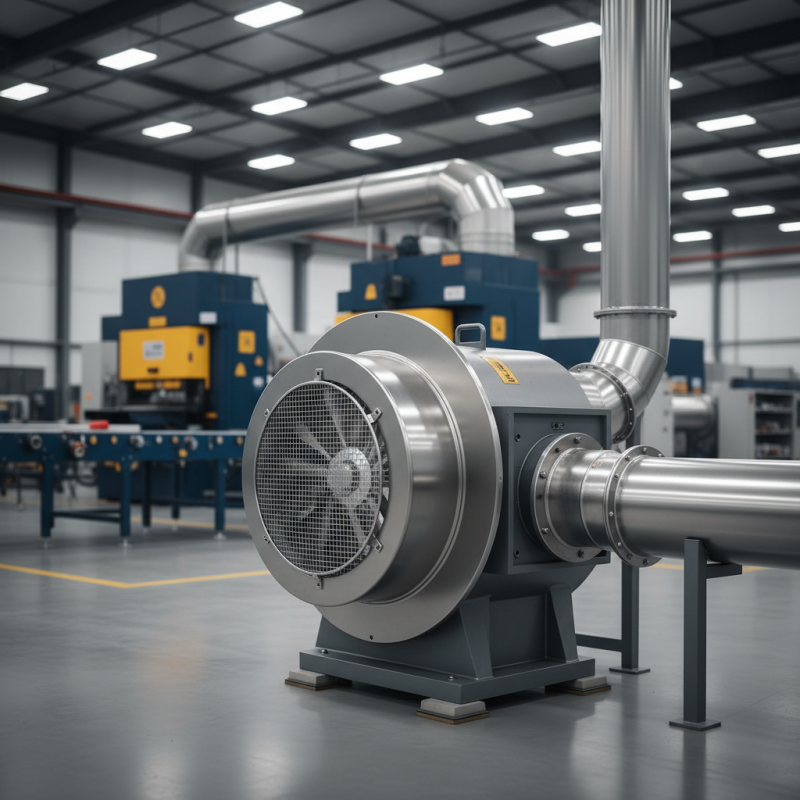
Factors Influencing the Selection of Industrial Centrifugal Fans
Choosing the right industrial centrifugal fan requires careful consideration of various factors. Airflow requirements are paramount. A fan must provide sufficient air volume for the application. For instance, typical industrial applications often need between 500 to 50,000 cubic feet per minute (CFM). Understanding specific needs is crucial.
Static pressure is another critical consideration. Fans typically operate against resistance in ducting or equipment. Proper calculations can help determine the required static pressure. Reports suggest that a mismatch can result in inefficiencies of up to 20%.
Additionally, noise levels must be evaluated. Certain environments require quieter operations. The decibel (dB) ratings of fans can differ greatly. Some applications may allow for higher noise levels; others, like hospitals, demand very low levels. Evaluating a fan's performance data is vital for compliance and comfort.
Finally, energy efficiency cannot be overlooked. Many fans fall short of optimal efficiency ratings. Reports indicate that energy savings can exceed 30% with the right selection. Despite these guidelines, the selection process may still require adjustments based on real-world performance.
Understanding Airflow Requirements: CFM Calculations for Your Application
Choosing the right industrial centrifugal fan starts with understanding your airflow requirements. Measured in cubic feet per minute (CFM), the airflow is critical for determining fan performance. Inaccurate CFM calculations may lead to inefficiencies in your system. If the CFM is too low, you won’t achieve desired ventilation. On the other hand, excessive airflow may create unnecessary noise and energy consumption.
To calculate the CFM needed for your application, consider the size of the area to be ventilated and the desired airflow rate. Measuring the dimensions of the space will provide a good starting point. For instance, large warehouses require higher CFM compared to smaller workshops. Additionally, consider the material being moved by the fan. Some materials may require more airflow to achieve optimal performance.
**Tips:** Always allow room for adjustment in your calculations. Environmental factors, such as temperature and pressure variations, can affect performance. It's also helpful to consult with professionals who can offer insights based on experience. Similarly, testing different setups can reveal what truly works for your specific application. This proactive approach ensures optimal efficiency and reliability in your centrifugal fan selection.
Evaluating Pressure Drop: Importance of Static vs. Total Pressure
When selecting an industrial centrifugal fan, understanding pressure drop is essential. There are two key types to consider: static pressure and total pressure. Static pressure refers to the resistance faced by air in a system. It includes friction and any obstructions that hinder airflow. Total pressure combines static pressure and dynamic pressure. Dynamic pressure relates to the velocity of the air as it moves.
Evaluating pressure drop affects fan performance. A higher static pressure often indicates a more complex duct system. This can lead to inefficient airflow, increasing energy costs. On the other hand, low static pressure may suggest an open system, allowing easy airflow but potentially sacrificing efficiency. Understanding these factors helps in selecting the right fan for your specific application.
It's worth noting that improper calculations can lead to performance issues. Misjudging the resistance can result in an oversized fan or one that is insufficient. This could lead to wasted energy or equipment failure. Regularly reassessing your system ensures optimal operation and longevity. Consider your unique needs carefully, factoring in both static and total pressures as you make your choice.
Fan Efficiency Ratings: Impacts on Energy Consumption and Savings
When selecting an industrial centrifugal fan, efficiency ratings are crucial for energy consumption and savings. Fans with higher efficiency ratings convert more energy into airflow. According to a report by the U.S. Department of Energy, a 1% improvement in fan efficiency can lead to an estimated 5% reduction in energy costs. This can significantly impact operational budgets in large-scale industrial settings.
Tips: Calculate your specific energy needs before selecting a fan. This ensures you choose a model that meets your airflow requirements without excessive energy consumption. Look for models that comply with the latest energy standards, which can further enhance savings.
It's important to consider the long-term implications of fan efficiency beyond the initial purchase cost. Low-efficiency fans may seem economical at first but can lead to higher operational costs. A practical evaluation of total lifetime cost is essential. Regular maintenance can also influence efficiency; neglected fans may experience performance drops.
Energy Efficiency Ratings of Industrial Centrifugal Fans
Material Considerations: Choosing the Right Construction for Durability
When choosing an industrial centrifugal fan, material selection is crucial for durability. The right construction influences the lifespan and efficiency of the fan, especially in demanding environments. Common materials include steel, aluminum, and plastic. Steel is robust but may corrode if exposed to moisture. Aluminum offers a lightweight option but might lack strength under heavy loads.
Consider the fan's operating conditions. Harsh environments require materials that resist wear and corrosion. For example, thick coatings can protect against chemicals. Using stainless steel can be beneficial in industries exposed to humidity or corrosive substances. Evaluate the balance between cost and material longevity. Sometimes, cheaper options wear out quickly, leading to costly repairs.
Maintenance is often overlooked. Regular inspections help identify wear and tear early. This can extend the fan's service life. Also, be aware that even high-quality materials can fail if not properly maintained. Understanding the specific requirements of your application is vital for making a well-informed decision. Engage with experts to explore the best materials for your needs carefully.
How to Choose the Right Industrial Centrifugal Fan for Your Needs? - Material Considerations: Choosing the Right Construction for Durability
| Material | Durability Rating | Corrosion Resistance | Typical Applications | Cost Range (per unit) |
| Mild Steel | Moderate | Low | General Industrial Use | $500 - $1,000 |
| Stainless Steel | High | Excellent | Food Processing, Pharmaceuticals | $1,200 - $2,500 |
| Aluminum | Moderate | Moderate | Aerospace, Automotive | $700 - $1,500 |
| Fiberglass | High | Good | Chemical Processing, Wastewater Treatment | $900 - $1,800 |
| Plastic | Low | Varies | Lightweight Applications, HVAC | $300 - $800 |