How to Choose the Right Box Forming Machine for Your Business?
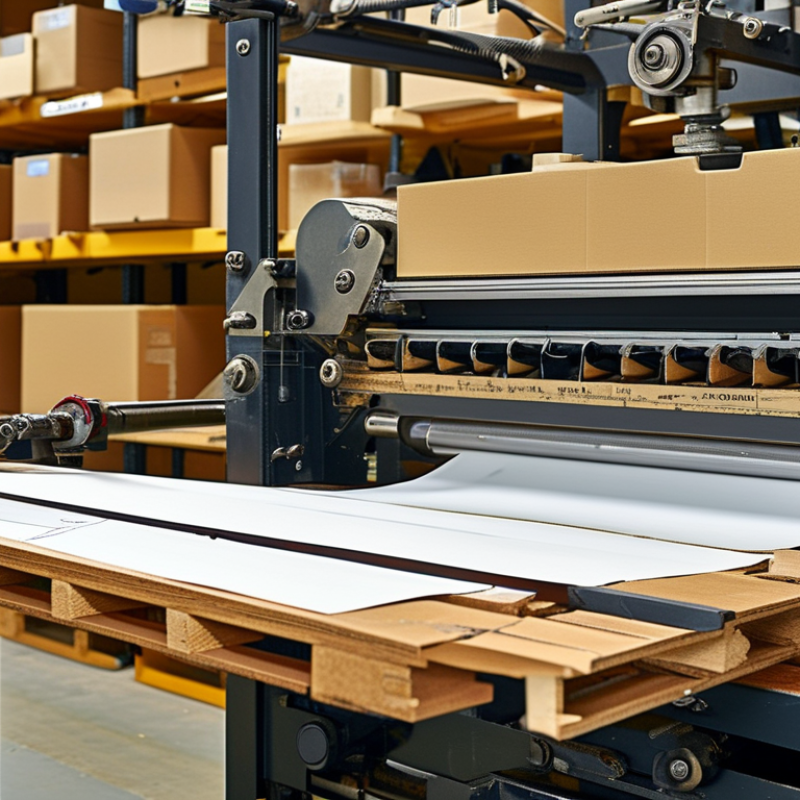
Choosing the right Box Forming Machine is crucial for your business’s packaging efficiency. A well-selected machine can streamline operations and reduce costs. However, the variety of options available can be overwhelming.
Consider the specific needs of your production line. Different machines offer varying speeds, sizes, and functionalities. It’s essential to analyze your product dimensions and production volume. Think about the long-term benefits as well. Investing in a reliable Box Forming Machine can enhance productivity and offer flexibility for future growth.
Don't rush into a decision. Each machine has its strengths and weaknesses. Seek advice from industry experts or conduct thorough research. Reflect on what you truly need and what fits your budget. A thoughtful choice today can create significant advantages tomorrow.
Understanding Different Types of Box Forming Machines Available
Choosing the right box forming machine requires understanding the various types on the market. There are several options available, each with specific features. Some machines focus on speed and efficiency, ideal for high-volume production. Others emphasize versatility, accommodating different box sizes and styles.
Consider your production needs carefully. If your business requires frequent changeovers, a machine that offers quick adjustments can save time. On the other hand, a more robust machine might be suitable for consistent, large-scale output. Factors like ease of maintenance and operator training should not be overlooked.
It's crucial to evaluate suppliers based on their expertise in the field. Established companies usually provide better support and comprehensive training. Reflect on any past experiences with machinery—what worked? What didn’t? Additionally, think about the long-term reliability of the machine. Investing in quality today can prevent costly issues down the road.
Evaluating Production Volume Requirements for Your Business Needs
When evaluating production volume requirements, it's essential to understand your business needs. Industry reports indicate that companies often face challenges scaling their operations efficiently. According to a recent survey by Packaging Strategies, 70% of manufacturers struggle with underestimating their production capacity needs. This can lead to inefficiencies and increased costs.
Understanding your production volume helps in selecting the right box forming machine. For instance, if your business anticipates a growth rate of 20% annually, a machine with a 30% higher capacity could be beneficial. Reports highlight that machines with adjustable speeds and formats provide flexibility, enabling businesses to adapt to changing demands. This adaptability becomes crucial, especially when seasonal spikes occur, impacting production.
Moreover, companies should consider the types of products they package. Different products may require different box styles and sizes. Data from the Freedonia Group suggests that the demand for custom-sized boxes has risen significantly, emphasizing the need for machinery that can accommodate varied specifications. It’s vital for businesses to critically assess their production forecasts and potential market shifts. This self-reflection can help in making the right investment decisions, ensuring that the chosen machine aligns with both current and future needs.
Key Features to Look for in a Box Forming Machine
When selecting a box forming machine, key features play a vital role. Optimizing production efficiency is crucial for any business. Look for machines that offer high-speed operation, ideally forming up to 30 boxes per minute. According to industry reports, efficient box forming can increase packaging output by 20-25%.
Additionally, versatility is essential. A machine that accommodates different box sizes and styles can adapt to changing demands. This flexibility reduces downtime and enhances production agility. Some models feature quick-change capabilities, which minimize setup times. Robust construction ensures reliability and longevity, critical factors for continuous operation.
Consider automation features as well. Fully automated systems not only streamline processes but can also improve safety by reducing manual handling. However, balancing automation with the potential need for human oversight requires forethought. This consideration can lead to insights on efficiency vs. effectiveness. Regular maintenance is necessary to preserve machine performance and avoid unexpected breakdowns. Keep these factors in mind as you explore options for your business.
Assessing Budget Constraints and Total Cost of Ownership
When selecting a box forming machine, understanding the total cost of ownership (TCO) is crucial. A report from the Packaging Machinery Manufacturers Institute (PMMI) indicates that upfront costs can be misleading. Many businesses focus solely on the initial purchase price, overlooking ongoing operational expenses. TCO factors include maintenance, energy consumption, labor costs, and materials. For instance, a machine with a lower purchase cost may consume 15% more energy annually, dramatically increasing long-term expenses.
Budget constraints further complicate the decision-making process. According to a recent study, nearly 70% of manufacturers report underestimating the lifetime costs associated with machinery. This oversight can lead to unexpected financial strains. It’s essential to consider factors like the machine's efficiency and capabilities. A more efficient machine may have a higher upfront cost but save money through less energy use and reduced labor requirements over time. Sometimes, investing more initially can yield better returns.
Moreover, market research suggests that companies investing in high-quality, reliable equipment often experience fewer breakdowns. This reliability translates to less downtime, which is costly. Assessing the budget should include these intangible costs, as they directly impact overall profitability. Understanding TCO can guide businesses toward more informed choices, ensuring they meet both budgetary constraints and operational needs effectively.
How to Choose the Right Box Forming Machine for Your Business? - Assessing Budget Constraints and Total Cost of Ownership
| Machine Type | Initial Cost ($) | Operating Cost/Year ($) | Maintenance Cost/Year ($) | Average Lifespan (Years) | Total Cost of Ownership ($) |
| Semi-Automatic | 8,000 | 2,000 | 1,000 | 10 | 28,000 |
| Fully Automatic | 25,000 | 3,500 | 1,500 | 15 | 70,500 |
| Manual | 2,000 | 1,000 | 500 | 5 | 7,500 |
| Robotic | 40,000 | 4,500 | 2,000 | 20 | 110,500 |
Considering Future Scalability and Upgradability Options
When selecting a box forming machine, considering future scalability and upgradability is crucial. The market is ever-evolving, and businesses must adapt. A machine that meets your current needs may not suffice in a few years. You should choose a model that can accommodate growing production demands. Ensure it has the potential for upgrades that can enhance efficiency.
Tips for scalability include assessing the machine's modular design. Modular machines allow for easy integration of additional features. This can save costs in the long run, as you won't need to replace the entire system. Also, consider the availability of software updates. Machines with modern interfaces allow for simpler updates, keeping your technology current.
Reflect on your company's long-term goals. What will your production look like in five years? A shortsighted choice can lead to costly modifications later. Analyze factors like output volume and product range. These considerations will guide you in selecting a versatile machine. Overall, prioritize flexibility to ensure your machine adapts to future needs.