
Blog
Why Choose Liposuction Aspirator Machines for Your Clinic?
Liposuction remains a major part of aesthetic surgery, but demand alone is not a reason to buy equipment. The International Society of Aesthetic Plastic Surgery’s 2022 Global Survey recorded approximately 2.3 million liposuction procedures worldwide. That figure shows the procedure’s scale, not the performance of any particular device. Clinics still need to assess equipment against their own patient population, procedures, and clinical protocols.
Liposuction Aspirator Machines can support controlled fat aspiration when selected and used by qualified professionals. The practical details matter: stable suction, readable pressure controls, accessible tubing connections, and a collection canister that staff can inspect during use. Reliability matters, too. A clear maintenance schedule and responsive technical support can help reduce avoidable interruptions. Compare specifications carefully, and confirm that the machine suits the techniques your clinicians perform. The survey does not measure device quality or patient outcomes, so it cannot establish that one model is safer or more effective than another. That distinction is easy to overlook. A machine is only one part of care; clinical judgment, staff training, patient selection, and appropriate follow-up remain essential. In a busy treatment room, even a small usability issue can become frustrating. Some choices deserve a second look.
Liposuction Aspirators: Definition, Components, and Clinical Role
Why Choose Liposuction Aspirator Machines for Your Clinic?
A liposuction aspirator is a medical suction system used to collect tissue removed during a procedure. It creates controlled negative pressure and directs aspirated material into a collection canister. The device supports the clinician’s technique; it does not make treatment decisions. That distinction matters.
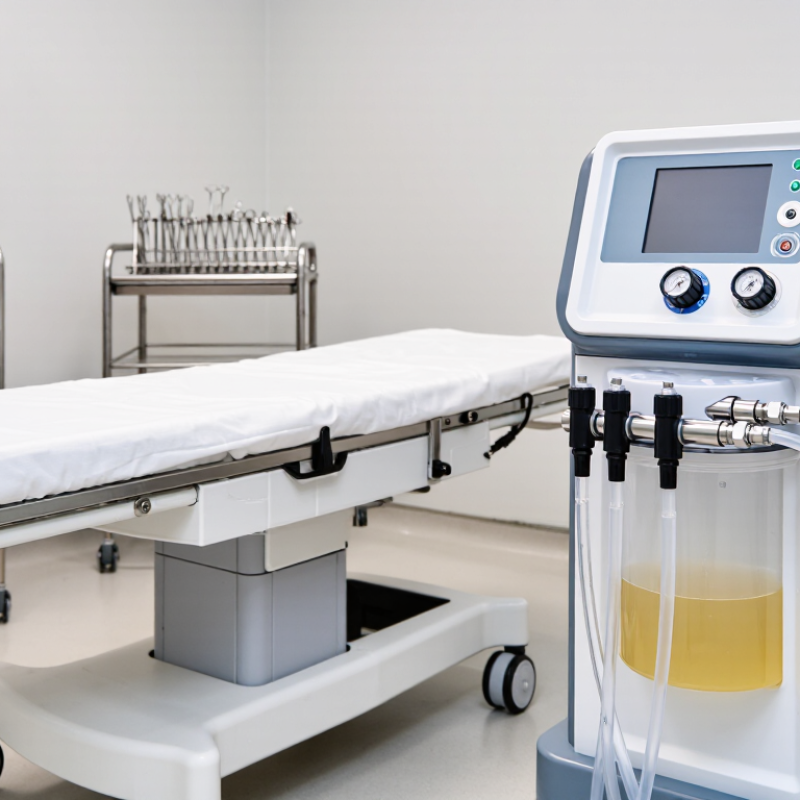
A typical system includes a vacuum pump, pressure controls or gauges, connecting tubing, a collection canister, and a suction cannula. Filters and seals help manage fluid and protect the equipment. During setup, staff check that connections are secure and the canister is correctly positioned. A loose tube can interrupt suction. Small details matter.
Clinically, the aspirator provides a steady means of evacuation while the trained practitioner monitors the patient and adjusts technique. Pressure settings, cannula choice, and workflow should follow the device instructions and the clinician’s judgment. Staff also need clear cleaning, maintenance, and emergency procedures. A quiet motor may feel reassuring, but noise alone says little about performance. Even a well-equipped room cannot replace careful patient assessment or training. There is no single setup for every case, and that can be inconvenient. Choices should reflect the clinic’s procedures, staffing, and service support.
ISAPS 2023: Liposuction Reached 2,269,528 Procedures Worldwide
Why Choose Liposuction Aspirator Machines for Your Clinic?
ISAPS 2023: Liposuction Reached 2,269,528 Procedures Worldwide
ISAPS reported 2,269,528 liposuction procedures worldwide in its 2023 Global Survey. The American Society of Plastic Surgeons separately recorded 347,782 procedures in the United States that year. These figures use different reporting populations, but both show liposuction’s substantial clinical footprint. They do not predict demand at every clinic. Still, they make reliable, well-matched equipment worth careful consideration.
A liposuction aspirator should fit the clinic’s procedure volume and established clinical protocols. Compare adjustable suction, collection capacity, tubing compatibility, noise, cleaning requirements, and access to maintenance. Ask staff to assess setup and handling, not just the product specifications. A powerful machine alone does not guarantee a better result. That detail is easy to overlook. Patient selection, clinician training, and monitoring remain central, while equipment supports—not replaces—clinical judgment.
Tips: Check the manufacturer’s instructions and service schedule before purchase. Test controls and canister changes in a realistic setup. Record staff feedback after use; small workflow problems may otherwise persist.
Why Choose Liposuction Aspirator Machines for Your Clinic? - ISAPS 2023: Liposuction Reached 2,269,528 Procedures Worldwide
| Global rank | Surgical procedure | Estimated procedures worldwide | Relevance to clinic equipment planning |
|---|---|---|---|
| 1 | Liposuction | 2,269,528 | A high global procedure volume makes it useful for clinics to assess their current and anticipated aspiration capacity. |
| 2 | Breast augmentation | 1,858,875 | A separate procedure category; it does not, by itself, indicate a need for a liposuction aspirator. |
| 3 | Eyelid surgery | 1,706,558 | A distinct surgical category and not a direct measure of liposuction equipment demand. |
| 4 | Abdominoplasty | 1,148,462 | Procedure requirements vary; clinics should base equipment choices on their own treatment mix and protocols. |
| 5 | Breast lift | 978,049 | A separate procedure category; the count should not be interpreted as aspirator use. |
Source: ISAPS Global Survey 2023. Figures are estimated worldwide procedure counts. Procedure volume is not a measure of equipment sales or usage.
How Suction Control and Cannula Design Support Fat Removal
Liposuction aspirator machines support fat removal by providing controlled negative pressure, but suction strength alone does not determine the result. The American Society of Plastic Surgeons’ 2023 Plastic Surgery Statistics Report recorded 347,782 liposuction procedures in the United States. That scale makes equipment selection relevant, yet each patient and treatment area presents different tissue characteristics.
Adjustable suction lets a trained clinician respond to resistance and tissue movement during aspiration. A steady setting can help maintain predictable flow; abrupt changes may make control more difficult. Cannula design matters too. Diameter, length, tip shape, and port placement influence how the instrument moves through tissue and draws material into the tubing. Smaller cannulas may allow finer control in selected areas, while larger ones can support efficient removal in broader zones. The appropriate choice depends on anatomy, technique, and clinical judgment.
Details count. A secure connection, readable pressure gauge, and responsive foot control can make adjustments easier during a procedure. Cannulas should be selected and handled according to clinical training and the equipment’s instructions. Still, a machine cannot replace assessment or careful technique. That distinction is easy to overlook. Data on procedure volume do not prove that one suction setting or cannula design is best for every patient; outcomes require individual evaluation and appropriate follow-up.
Why Aspirator Machines Can Enhance Clinic Workflow and Versatility
In a procedure room, an aspirator can make fluid collection more organized and predictable. A stable unit, placed within easy reach, helps staff follow the planned sequence without repeatedly adjusting equipment. Clear controls and visible tubing make it easier to check connections during setup. Less reaching. Staff can monitor the collection canister while keeping the working area orderly. Still, room layout and team habits affect how smoothly the equipment fits.
Adjustable suction settings may support different procedural needs, when used within the device instructions and the clinician’s judgment. Compatible cannulas and tubing can add flexibility across suitable cases. That flexibility has limits. For example, staff may need to change the canister or reposition tubing between stages, so a versatile machine does not remove every interruption. Before use, the team should confirm the setup, inspect connections, and know how to respond if suction changes unexpectedly.
Routine checks matter. A full canister, kinked tube, or loose connection can interrupt a procedure and call for prompt attention. Training matters, too. The aspirator supports clinical work; it does not replace appropriate training, patient assessment, or established infection-control practices. Each clinic should evaluate noise, mobility, cleaning requirements, and service support against its actual workflow. A quieter unit may be helpful, but the best fit is not always the most feature-rich one.
How Clinics Can Assess Safety, Maintenance, and Device Performance
Why Choose Liposuction Aspirator Machines for Your Clinic?
Device selection should begin with measurable performance, not appearance or a low purchase price. The American Society of Plastic Surgeons reported 347,782 liposuction procedures in the United States in 2023, making it the most common cosmetic surgical procedure in its report. That volume makes dependable suction control and clear setup procedures important. During evaluation, check whether the machine maintains stable vacuum under the conditions specified by its manufacturer. Inspect the gauge, tubing connections, collection canister, filter, and alarm response. Test them before clinical use. Small leaks matter.
Safety also depends on maintenance and staff habits. Ask for a documented service schedule, accessible replacement parts, and written instructions for cleaning reusable components. ISO 10079-1 provides performance and safety requirements for medical suction equipment; clinics can use it as a reference when reviewing technical documentation. FDA’s MAUDE database contains reports of medical-device problems, but the agency warns that reports cannot establish how often an event occurs. So, don’t treat report counts as a risk rate.
Keep a simple log of vacuum checks, repairs, and training, and review it when performance changes. Honestly, maintenance records can be imperfect; missing entries are a reason to improve the process, not proof that a device is unsafe.