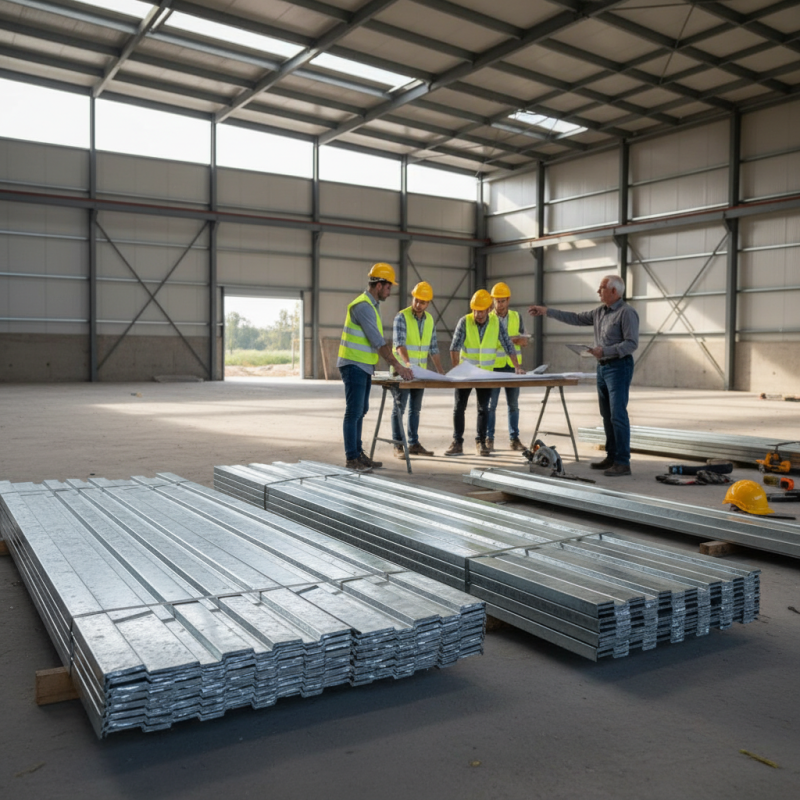
How to Choose Galvanized Corrugated Metal Panels for Your Project?
Choosing Galvanized Corrugated Metal Panels for your project can be daunting. These materials are popular for various applications, including roofing and siding. They offer durability and resistance to corrosion. However, many factors must be considered to make the right choice.
The market is flooded with options. It is essential to evaluate quality and price carefully. Not all galvanized panels are created equal. Some might be thin and prone to rust. Others may not meet your structural needs. Measuring properly before purchasing is crucial to avoid costly mistakes.
Experience plays a vital role in selecting the ideal panels. Consulting with experts can save time and money. Detailed research is necessary. Look for credible sources to understand the specifications. Quality matters, and sometimes the cheapest option leads to regret. Your project deserves the best, so take the time to choose wisely.
Understanding Galvanized Corrugated Metal Panels and Their Benefits
Galvanized corrugated metal panels are a popular choice for various construction projects. Their unique structure enhances strength while offering a lightweight solution. The galvanized coating provides excellent corrosion resistance. This makes these panels suitable for different environments, including coastal areas where moisture is prevalent.
In addition to durability, these panels are cost-effective. Their installation is often quicker compared to traditional materials. The reflective surface can help in energy savings by reducing heat absorption. When selecting these panels, consider the thickness and profile. Thicker panels may offer better durability, but they can be more challenging to cut and install.
Choosing the right galvanized corrugated metal panel requires careful thought. Ensure you evaluate the local weather and project requirements. Sometimes, the shiny surface may not blend well with rustic designs. It's important to reflect on how these panels will fit with your overall aesthetic vision. Balancing durability with design can lead to a successful project.
Benefits of Using Galvanized Corrugated Metal Panels
Evaluating Project Requirements for Metal Panel Selection
When selecting galvanized corrugated metal panels for your project, it’s essential to evaluate your specific requirements. Consider the intended use of the panels. Are they for roofing, siding, or fencing? Each application has different criteria for durability and aesthetics. Dimensions matter too; ensure you choose the appropriate width and length to minimize waste during installation.
Tips: Always measure your space carefully. Accurate measurements lead to better fit and reduced costs. If you're unsure, consult a professional for assistance.
Another factor is local climate. If your region experiences heavy rain, high winds, or extreme temperatures, look for panels designed to withstand these conditions. Standard galvanized metal may not suffice for coastal areas. Reflect on the long-term maintenance needs as well. Will you need to apply protective coatings over time?
Tips: Research local suppliers for advice. They often have insights based on regional weather patterns and typical construction practices. Visiting completed projects can provide a real-world perspective as well.
Key Factors to Consider When Choosing Material Thickness
When choosing galvanized corrugated metal panels, material thickness is a crucial factor. It directly influences the panel's durability and resistance to external elements. According to the Metal Industries Association, panels typically range from 26 to 14 gauge. A thinner panel, like 26 gauge, may be suitable for roofing or applications with minimal exposure. However, for high-wind areas or heavy rainfall, a 24 gauge or thicker is advisable.
The thickness of the metal affects not just strength, but also corrosiveness. Thicker panels often exhibit superior resistance to rust and wear. A study from the National Roofing Contractors Association emphasizes that reducing material thickness can lead to shorter lifespan and increased maintenance costs. It’s vital to analyze the environmental conditions of your project site. A panel that is too thin for harsh climates may require replacement sooner than anticipated, leading to higher long-term expenses.
While considering thickness, also reflect on your project's aesthetic needs. Some may prefer a lighter look, which can be achieved with thinner panels, but might compromise strength. Evaluating the balance between design and functionality is essential. It's a decision that shouldn't be made lightly, as it impacts both short-term appearance and long-term performance.
How to Choose Galvanized Corrugated Metal Panels for Your Project? - Key Factors to Consider When Choosing Material Thickness
| Thickness (Gauge) | Common Uses | Approximate Weight (lbs/sq. ft.) | Durability | Cost (per sq. ft.) |
| 24 | Residential roofing, siding | 0.75 | Good | $1.20 |
| 26 | Commercial roofing, lightweight structures | 0.45 | Moderate | $0.80 |
| 22 | Industrial applications, barns | 0.95 | Very Good | $1.50 |
| 20 | Heavy-duty roofing, utility buildings | 1.20 | Excellent | $1.80 |
Comparing Different Styles and Patterns of Corrugated Panels
When selecting galvanized corrugated metal panels, style and pattern play crucial roles. Different designs can dramatically influence the aesthetic of your project. For example, ribbed panels tend to offer a more industrial feel. Conversely, wavy patterns provide a softer, more nostalgic vibe. Each style brings unique benefits and challenges, depending on context.
It's essential to consider the application of these panels. For roofing, deeper corrugation might provide better water runoff and durability. In contrast, shallower profiles could suffice for decorative walls. Understanding how each style interacts with light and shadow is key. Observing samples in different environments can reveal unexpected visual results.
Don't forget that the chosen pattern can affect installation. Some styles require more precise alignment. Mistakes in placement might lead to vulnerabilities. Reflecting on the practicality and desired aesthetic will guide you. Testing different styles during the planning phase can reveal both strengths and weaknesses.
Installation Tips and Best Practices for Galvanized Metal Panels
When installing galvanized corrugated metal panels, following best practices can ensure a successful outcome. Begin by preparing the surface where the panels will be installed. Make sure it is clean and dry. This helps create a solid foundation. Use high-quality fasteners specifically designed for metal installation. They provide better durability and reduce the risk of rust.
During the installation, overlap the panels correctly. This prevents water from seeping underneath and causing damage. Use washers to secure each panel tightly. Pay attention to the alignment; uneven panels can lead to leaks. If you encounter any misalignment, take a moment to adjust before proceeding. Don't rush this step.
Consider the local climate when planning your installation. In areas with heavy rain or snow, ensure proper drainage is considered. Ventilation under the panels can also help prevent moisture buildup. While experience is valuable, each project has unique challenges. Reflect on previous installations to improve your technique. Every installation teaches something new, so stay flexible and adaptable.