How to Choose the Best Solar Panels Supplier for Your Needs?
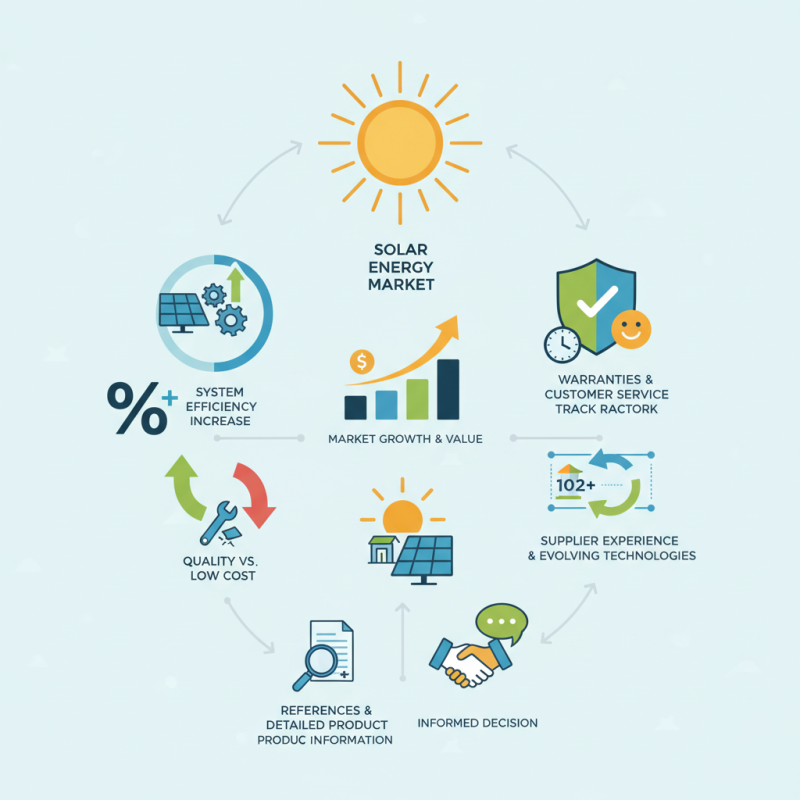
Choosing the right solar panels supplier can significantly impact your energy transition journey. With the solar energy market expected to reach $223 billion by 2026, selecting a reputable supplier is crucial. Reports show that quality solar panels can increase system efficiency by up to 30%. In today’s competitive landscape, not all suppliers are created equal.
Consideration of price is vital, but it shouldn’t be the only factor. A low-cost solar panels supplier might not provide the best products or services. It's essential to check their warranties and customer service track record. Some suppliers may promise low prices but compromise on quality. This can lead to costly issues in the long run.
Additionally, the experience of a solar panels supplier matters. Research shows that companies in the industry for over a decade have a better understanding of evolving technologies. A reliable supplier will help you navigate this complex market. They should be willing to provide references and detailed product information. This is how you can make an informed decision for your energy needs.
Understanding Your Solar Panel Requirements
When choosing solar panels, it’s important to fully understand your solar panel requirements. Factors such as energy needs, roof space, and budget will guide your decisions. According to a recent industry report, residential solar installations are expected to grow by 20% per year, signaling increased demand. This growth emphasizes the importance of selecting the right supplier to meet your specific energy needs.
Consider your energy consumption. Analyze utility bills for average monthly use. If your home uses 900 kWh monthly, you might need around 6 kW of solar capacity. Tips: Always ask for estimated production metrics. These numbers will help you understand how much solar power you really need.
Pay attention to compatibility with your home. Your roof orientation and shading play a crucial role. For instance, south-facing roofs usually gather the most sunlight. However, not every residence will have ample space. You should be curious about panel efficiency ratings, typically ranging from 15% to 22%. Higher efficiency often means less space needed.
Choosing the right solar panels supplier involves more than just checking prices. Reflect on your unique requirements. Finding balance between budget and efficiency is critical. Some customers may focus too much on cost, overlooking long-term savings. Don't rush this decision—do thorough research.
Evaluating Supplier Credentials and Reputation
When selecting a solar panel supplier, evaluating their credentials and reputation is crucial. According to industry reports, over 30% of buyers regret their decisions due to inadequate supplier vetting. Many choose suppliers based on price alone, missing out on vital factors like warranties and customer service. The best suppliers often have a proven track record in the industry, with certifications from recognized organizations. These credentials indicate reliability and compliance with safety standards.
Check for online reviews and testimonials. Organizations like EnergySage report that 85% of consumers base their choices on peer feedback. Suppliers with a strong online presence likely value customer satisfaction. Don’t ignore negative feedback; use it as a learning opportunity. Instead of brushing issues aside, consider how suppliers handle complaints. A transparent approach is often a good sign of integrity.
Tips: Compare at least three suppliers. Focus not only on prices but also on their service plans. Look for warranties that extend beyond the industry average. This can safeguard your investment over time. Don't hesitate to ask questions. A reliable supplier should be eager to provide answers. If they’re unresponsive, reflect on whether they can support you in the long run.
Comparing Product Quality and Performance
When choosing a solar panels supplier, product quality is crucial. Examine the materials used in the panels. High-quality solar panels often feature durable glass and robust frames. Look for panels that can withstand harsh weather conditions. This can save you from costly repairs later. Performance is another key factor. Check the efficiency ratings of the panels. Higher efficiency means more energy generation in limited space.
Tips: Always request performance data from suppliers. Charts showcasing efficiency under diverse conditions are helpful. Warranty information is also essential. A reliable warranty signals confidence in product longevity.
Since not all suppliers meet high standards, you might encounter variations in quality. Some panels underperform yet look appealing. Reviews and certification are worth considering. Visit customer forums to learn about real-life experiences. Ask others about their satisfaction with panel performance and durability. This feedback can shed light on potential pitfalls.
After gathering information, narrow down your options. Choose suppliers who offer thorough support and transparency. Quality matters, but so does service. In the end, combining informed choices with supplier reliability benefits your investment.
Analyzing Cost and Financing Options
When considering solar panels, cost is a significant factor. The initial investment can vary considerably. Some suppliers may offer lower prices upfront but might have hidden fees later. Understanding the total cost is crucial. Look beyond the sticker price. Installation, maintenance, and warranties also affect your budget.
Financing options can help ease this burden. Many suppliers provide financing plans. These plans can include loans or leases. However, terms can differ widely. Some may seem attractive, but read the fine print. You wouldn’t want unexpected payments later. Be aware of where your money goes.
Additionally, evaluate the long-term savings. Solar panels can reduce energy bills over time. Still, consider how long it would take to break even. It requires calculation and honest reflection. Analyzing these aspects carefully may lead to better decisions. Cost and financing are not just numbers; they influence your financial future.
Comparison of Solar Panel Costs and Financing Options
Assessing Customer Support and Warranty Services
When selecting a solar panel supplier, customer support and warranty services are critical factors. A recent industry report revealed that 80% of consumers prioritize after-sale support when choosing solar products. Access to reliable customer service can save time and money down the line. If a supplier offers robust customer service, it can lead to fewer installation issues and faster resolutions.
Warranties vary significantly among suppliers, with some offering up to 25 years of coverage. However, a deeper look is essential. Some warranties are not as comprehensive as they appear. It is vital to understand what is included and what is excluded. For example, certain warranties may only cover materials, leaving out labor costs during repairs.
Furthermore, communication channels can impact your experience. A survey indicated that 62% of customers favor suppliers who provide multiple contact methods, like phone and chat support. Poor communication can lead to frustration and delays. Choose a supplier that values transparency and offers straightforward information regarding their services and warranty policies. This can enhance your overall satisfaction with your solar energy investment.
How to Choose the Best Solar Panels Supplier for Your Needs? - Assessing Customer Support and Warranty Services
| Supplier Type | Customer Support Rating | Warranty Length (Years) | Response Time (Hours) | Installation Services |
| Manufacturer | 4.5/5 | 25 | 24 | Yes |
| Distributor | 4.0/5 | 20 | 48 | No |
| Installer | 4.8/5 | 10 | 12 | Yes |
| Retailer | 3.5/5 | 15 | 72 | No |