How to Choose the Best Pleated Air Filters for Your Home?
Choosing the best Pleated Air Filters for your home can significantly improve indoor air quality. According to the Environmental Protection Agency (EPA), indoor air can be 2-5 times more polluted than outdoor air. Quality pleated air filters capture allergens, dust, and pollutants effectively. As HVAC expert Dr. Emily Richards points out, "Investing in the right air filter is crucial for a healthier living environment."
Selecting the right pleated air filters involves understanding MERV ratings. Filters with higher MERV ratings trap smaller particles. However, a filter that is too dense may strain your HVAC system. Balancing filter efficiency and airflow is essential for optimal performance. Consider your home's specific needs, such as allergens or pets, for better results.
Moreover, the placement of filters matters too. Regular maintenance is equally important for long-term effectiveness. Many homeowners underestimate the necessity of frequent filter changes. A neglected filter can lead to reduced efficiency and increased energy costs. Be mindful of these aspects as you navigate the process of choosing pleated air filters.
Understanding Pleated Air Filters and Their Importance for Home Air Quality
Pleated air filters are crucial for improving indoor air quality. They capture dust, allergens, and other particles that can harm health. Research indicates that high-quality pleated filters can trap up to 95% of airborne particles larger than 0.3 microns. This includes pollen, mold spores, and pet dander.
Using pleated air filters not only enhances air quality but also aids HVAC systems. Regular replacement can boost system efficiency by 15%. However, many homeowners overlook this aspect. Filters can become clogged. It’s essential to check and replace filters every 1-3 months.
Some might think price is the only factor in choosing a filter. But filter material and MERV ratings matter too. MERV ratings range between 1-16. Higher ratings offer better filtration but can restrict airflow if too dense. It’s a balancing act. Homeowners need to consider their specific air quality needs and HVAC compatibility. Finding the right pleated filter can be a challenge. It requires a bit of research and often some trial and error.
How to Choose the Best Pleated Air Filters for Your Home?
| Filter Type | MERV Rating | Lifespan (Months) | Suitable For | Price Range ($) |
| Standard Pleated | MERV 6-8 | 3-6 | General households | 10-20 |
| High-Efficiency Pleated | MERV 11-13 | 6-12 | Allergies, pets | 20-40 |
| HEPA Pleated | MERV 13-17 | 12-24 | Severe allergies, respiratory issues | 40-70 |
| Electrostatic Pleated | MERV 8-12 | 6-12 | General households with some allergens | 15-30 |
Key Factors to Consider When Selecting Pleated Air Filters
When selecting pleated air filters, you should focus on several key factors. The MERV rating is crucial. It measures a filter's efficiency in trapping particles. Higher MERV ratings mean better filtration. However, a higher rating can restrict airflow. This may stress your HVAC system. Choose a balance that suits your home’s needs.
Filter size is another important aspect. Make sure to measure your HVAC system’s filter slot. A filter that’s too small will allow unfiltered air to pass through. Detailed measurements can avoid this issue. Additionally, consider the material of the filter. Some are made from synthetic fibers, while others use natural materials. Each type has specific benefits and drawbacks.
Lifespan is often overlooked. Some filters last longer than others. You may need to change them every month or every three months. Check these details on the packaging. Not replacing filters often can reduce indoor air quality. Consider your environment as well. Homes with pets or high dust levels may require more frequent changes. Adjust based on your situation for optimal results.
Comparing MERV Ratings: What You Need to Know
When selecting pleated air filters, understanding MERV ratings is crucial. MERV, or Minimum Efficiency Reporting Value, measures a filter's ability to capture particles. A higher MERV rating means better filtration. For instance, filters with a MERV rating of 8 can capture dust, pollen, and pet dander effectively. In contrast, those rated between 11 and 13 can trap smaller particles, including smoke and mold spores. This can greatly enhance indoor air quality.
However, choosing a filter isn’t just about chasing the highest MERV rating. Some systems may not support high-efficiency filters. Too dense a filter can strain HVAC systems, leading to potential breakdowns. This aspect is often overlooked by many homeowners. Research shows that filters with a MERV rating above 13 can reduce airflow, causing energy inefficiency. This is an area requiring further thought. While the intention is good, balancing efficiency and compatibility is vital for system longevity.
The average homeowner may not realize that air filters need regular replacement, too. Experts recommend changing filters every three months, or even monthly if you have pets. Neglecting this can lead to accumulation and reduced air quality. A recent study indicated that homes with regularly changed filters have up to 50% lower airborne particle levels. This highlights that MERV ratings, while important, are only part of the air quality equation. Regular maintenance should not be neglected.
The Role of Filter Size and Fit in Air Filter Efficiency
Choosing the right air filter for your home is crucial. The size and fit of the filter directly influence its efficiency. A filter that’s too small allows contaminated air to bypass it, while an oversized filter may create airflow issues. Ensure the filter matches your HVAC system's specifications for optimal performance.
When measuring for a pleated air filter, consider both width and height. Most filters have a designated size printed on the frame. However, actual dimensions can be slightly different. It’s important to measure your current filter accurately. A snug fit is vital to trap dust and allergens effectively. Consider checking the filter's effectiveness regularly.
Some homeowners forget to adjust their filter size based on seasonal changes. Using the wrong size filter can lead to inefficiencies. Dust buildup occurs faster with poor-fitting filters. Reflect on your current choices and make necessary adjustments. Invest the time to ensure your filters not only fit but function at their best.
Maintaining and Replacing Pleated Air Filters for Optimal Performance
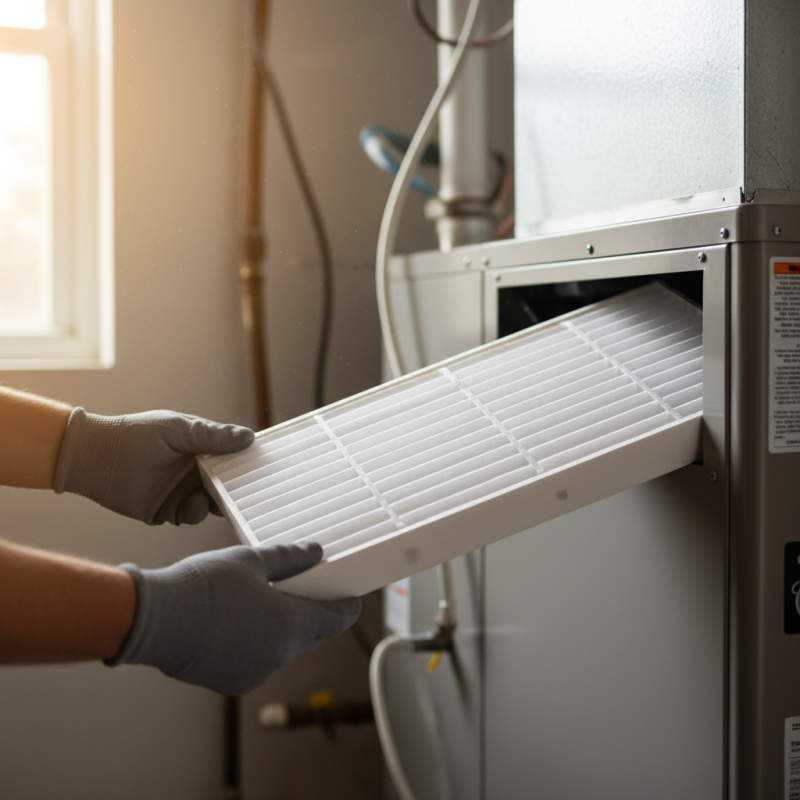
Maintaining and replacing pleated air filters is crucial for your home's air quality. Regular changes can enhance your HVAC system's efficiency. According to industry reports, dirty filters can reduce airflow by up to 15%. This can lead to higher energy bills. Furthermore, neglecting replacements can strain your system, leading to costly repairs.
Most experts recommend changing pleated air filters every 1-3 months. Factors such as local air quality and the number of pets in your home can influence this frequency. Homeowners often overlook these variables. A filter that seems clean might still be ineffective. Airborne allergens can linger and affect health. This emphasizes the need for routine checks to maintain optimal filtration.
Pay attention to the MERV rating of your filters. Filters with a MERV rating between 8-13 effectively capture pollen, dust, and pet dander. However, higher-rated filters can restrict airflow if the system isn't designed for them. This can lead to inefficiencies and discomfort. Finding the right balance is essential for both air quality and system performance.
Choosing the Best Pleated Air Filters for Your Home
This bar chart compares the effectiveness of various pleated air filter types based on their MERV ratings, capturing their ability to filter different particle sizes. Higher MERV ratings indicate better filtration capabilities.