
Blog

How to Choose an Off Road Dump Truck in 2026?

Choosing an Off Road Dump Truck in 2026 starts with the worksite, not the brochure. A steep quarry ramp, a muddy mine road, and a long construction haul demand different machines. Payload matters, but so do gradeability, braking performance, tire availability, fuel use, and access to service. A truck that looks powerful on paper may lose hours when parts are far away. Small details matter.

A fictional composite fleet advisor, Daniel Mercer, sums up the central trade-off: “Choose for the hardest regular haul, not the easiest day on site.” This is an illustrative quote, not a sourced statement from a real individual. It points to a practical question: what does the truck carry, over what distance, and on which surface? Buyers should compare rated payload with body capacity and actual material density. They should also ask how the suspension, cooling system, and transmission handle repeated cycles in local conditions.

This guide examines those choices for 2026, including truck types, key specifications, operating costs, and supplier support. Look closely at maintenance access and technician response times. A clean cab helps, too, after a long shift in dust. No checklist can predict every rut or delay. That uncertainty deserves honest attention. The right Off Road Dump Truck is the one that fits the route, crew, and workload—not simply the largest machine available.
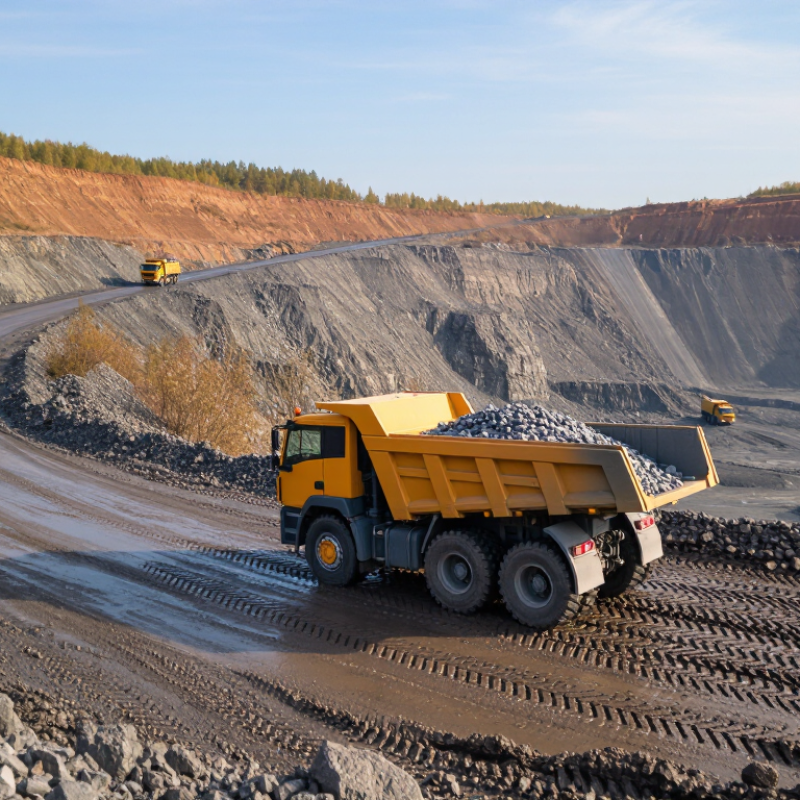
How to Choose an Off Road Dump Truck in 2026?

Identify the Job Requirements and Operating Conditions

Before choosing an off-road dump truck in 2026, describe the work it must do each day. Start with the material. Wet clay weighs more than loose soil, while broken rock can create sharp impact loads. Estimate typical payloads from actual loading records, not the biggest bucketful seen once. A mismatch can mean slow cycles or avoidable strain. Check haul distance, daily trips, and loading equipment, too. The truck should match the whole cycle.

Then inspect the operating conditions. Note the steepest grades, tightest turns, soft ground, and roughest sections. Measure road width and overhead clearance; a truck that fits the payload may still struggle to turn safely. Consider rain, dust, temperature, and how far the route sits from maintenance support. Small details matter. Ask operators where wheel slip, delays, or uneven loading occur, and compare their observations with site logs. Estimates are imperfect; conditions change between shifts. That is worth admitting. Use conservative figures for peak loads and difficult routes, then check whether the candidate’s rated capacity and configuration suit those conditions.

How to Choose an Off-Road Dump Truck in 2026: Match Payload to the Job

Typical payload capacity ranges by truck class (metric tonnes). Use these as a starting point, then check the actual model’s specifications against your load size, haul distance, ground conditions, grades, and maneuvering space.

Payload ranges are approximate and vary by model and configuration. Some large rigid mining trucks exceed 400 tonnes. Match truck capacity to the job without overlooking traction, road condition, gradients, and site access.

Match Payload Capacity and Truck Size to the Site

Choosing an off-road dump truck starts with the material and the route, not the biggest number on a specification sheet. Match rated payload to the weight of a typical load, including changes caused by moisture. Wet clay can weigh far more than a dry-looking pile, while loose rock may fill the body before reaching its weight limit. Measure the tightest turn.

Compare the truck body with the loading equipment. If the loader bucket is small, an oversized body may need too many passes, slowing each cycle. If the body is too small, trucks may queue while the loader repeatedly fills them. Use actual bucket volume and material density to estimate loads, then check the result against the truck’s payload rating. A scale check during a trial shift can reveal assumptions that looked sound on paper.

Truck size must also fit the site’s roads, ramps, dumping area, and turning space. Check road width, overhead clearance, ramp grade, and the room needed to position safely at the face. A larger truck may move more per trip but struggle on narrow, soft ground. Mud changes everything. I would avoid choosing from average conditions alone; a dry access road can become soft after rain. Leave space for turning and passing, even if it means selecting a smaller truck.

Compare Powertrain, Drivetrain, and Terrain Performance

Powertrain choice starts with the duty cycle, not peak horsepower. A diesel engine paired with a torque-converter transmission can suit stop-start loading and steep, uneven climbs. A mechanical drivetrain may deliver efficient power on firm, predictable haul roads. Compare torque at low engine speed, gear ratios, cooling capacity, and service access. A high power rating alone proves little.

Drivetrain matters when the surface changes. Articulated machines can turn through narrow, muddy work areas; rigid-frame trucks often suit larger, established routes. Check how power reaches the wheels, then assess tire size, ground clearance, axle loads, and braking on descents. Test loaded. A wet clay ramp can expose traction limits that a flat yard hides. I would also recheck the payload against the route’s weakest bridge or softest section.

Terrain testing should reproduce real gradients, turning points, and haul distances, not just a short demonstration. Track fuel use per tonne moved and cycle time across several loads. The U.S. EPA’s nonroad diesel engine standards report sets Tier 4 limits for many 130–560 kW engines at 0.02 g/kWh particulate matter and 0.4 g/kWh nitrogen oxides. These figures help compare emissions compliance, not pulling ability. Keep those questions separate. Actual fuel consumption will still vary with load, idle time, and operator habits.

Check Safety Systems, Durability, and 2026 Compliance Needs

Choosing an off-road dump truck in 2026 means looking beyond payload figures. Match the truck to the site’s gradients, ground conditions, and daily haul distance. Check the braking system, rollover protection, seat belts, and visibility from the cab. A reversing camera and audible warning can help around blind loading areas, but they do not replace trained spotters or clear traffic routes. Test the controls with gloves on. Small details matter.

Durability shows in components that face repeated impact and dust. Inspect the frame, suspension, tires, hydraulic lines, and dump-body hinges for accessible service points and realistic maintenance intervals. Ask for service records and details about parts availability where the truck will work. A higher payload may look efficient on paper, yet rough ground can increase wear and reduce stability. Mud changes the calculation.

For 2026 compliance, confirm the requirements for the truck’s actual work location and intended use. Check applicable emissions rules, noise limits, lighting, braking, and operator training requirements with the relevant authority or qualified safety professional. Requirements can vary by jurisdiction and site. Request current documentation before purchase, and verify that its specifications match the delivered configuration. Do not assume a previous model’s paperwork still applies. That check takes time.

Evaluate Total Cost, Dealer Support, and Parts Availability

In 2026, compare off-road dump trucks by cost per productive hour, not purchase price alone. EquipmentWatch’s 2024 Cost Recovery Handbook separates ownership costs, such as depreciation and financing, from operating costs, including fuel and repairs. Build both into your estimate. The U.S. Energy Information Administration reported an average on-highway diesel price of $3.76 per gallon in 2024; your site’s delivered fuel price may differ. Model several fuel-price scenarios, then check the truck’s expected consumption under your actual haul distance, payload, and road conditions.

Dealer support can protect uptime, but promises need numbers. Ask for local technician coverage, after-hours response times, and recent parts fill rates. Request lead times for high-wear items such as tires, filters, brake components, and hydraulic hoses. Small details matter. A distant warehouse may look reassuring until a machine sits idle waiting for one seal. Compare service commitments in writing, and ask how warranty repairs affect scheduled maintenance and labor charges.

Parts availability deserves a site-specific check. Review the dealer’s stock records for your truck configuration, not just a general inventory list. Estimate the cost of keeping critical parts onsite against the cost of downtime. A spreadsheet can still mislead: repair intervals depend on operator habits, dust, gradients, and loading practices. I would revisit those assumptions after the first operating season.

How to Choose an Off Road Dump Truck in 2026? — Evaluate Total Cost, Dealer Support, and Parts Availability

Use this scorecard to compare shortlisted trucks for your actual route, payload, climate, and operating schedule. The weights are a suggested purchasing framework, not universal industry standards; adjust them to match your site priorities.

Evaluation Dimension Suggested Weight What to Compare Evidence to Request Practical Decision Check
Payload and production fit 15% Rated payload, body capacity, cycle time, and compatibility with the loading equipment. Compare payload under your material density and loading conditions. Official payload and body specifications, plus a site-specific production estimate. Confirm the truck can meet production needs without routine overloading or inefficient partial loads.
Route and terrain suitability 12% Road gradient, rolling resistance, turning radius, ground clearance, traction, braking, and performance on wet, loose, or uneven surfaces. Route survey, gradeability data, braking information, and an operating demonstration on comparable terrain. Assess the truck on the complete haul route, including loaded uphill travel, turning areas, and return travel.
Total cost of ownership 20% Compare costs over the same ownership period and operating hours. Include purchase price, financing, fuel, tires, scheduled maintenance, repairs, labor, downtime, and expected resale value. Itemized quotation, financing terms, maintenance schedule, projected consumption assumptions, and resale-value assumptions. Use one shared model: total ownership and operating costs minus estimated resale value, divided by productive hours or tonnes moved.
Fuel and operating efficiency 10% Fuel consumption under comparable payload, route, idle time, operator practice, and weather conditions. Compare cost per productive hour or tonne moved. Fuel-test methodology, duty-cycle assumptions, and references from operations with similar haul conditions. Do not compare fuel figures unless payload, route, cycle, and measurement method are equivalent.
Maintenance and repair burden 10% Service intervals, inspection access, common wear items, diagnostic requirements, repair complexity, and expected maintenance labor. Maintenance plan, labor-hour estimates, service documentation, and a list of routine and major service items. Check whether routine work can be completed safely and promptly with your site’s facilities and skills.
Dealer service coverage 12% Distance to the site, field-service capability, technician availability, after-hours coverage, escalation process, and response commitments. Written service coverage, response-time terms, local technician capacity, and customer references in your region. Agree on measurable service expectations before purchase; confirm who provides support at your specific site.
Parts availability 10% Local stock of critical parts, order lead times, replenishment arrangements, parts identification, and access to parts during weekends or emergencies. Critical-parts list, local stock report, recent lead-time examples, and written emergency-order procedures. Identify the parts that could stop production and agree on stocking or replenishment plans for them.
Reliability and availability 6% Relevant operating history, recurring failure patterns, warranty claims process, and the expected effect of service delays on production. References from comparable duty cycles, warranty terms, and documented service or reliability records where available. Compare evidence from similar applications rather than relying only on general uptime claims.
Safety and operator usability 3% Visibility, access and egress, restraint systems, braking controls, alarms, operator environment, and site-specific safety requirements. Safety documentation, cab and visibility review, operating demonstration, and site risk assessment. Have operators and safety personnel review the truck before final selection.
Resale and contract terms 2% Expected resale demand, warranty coverage, exclusions, parts-price terms, and any buyback or service-package conditions. Written warranty and contract documents, plus resale assumptions supported by relevant market evidence. Include resale only as an estimate in the cost model; document the assumptions and exclusions.
Total 100% Score each shortlisted option against the same evidence requirements and operating assumptions. A lower purchase price alone does not establish a lower total cost.

Comparison note: Costs, fuel use, service response, parts lead times, and resale values vary by truck configuration, workload, location, and contract. Obtain written, site-specific quotations and validate operating assumptions before making a purchase decision.