How to Choose the Best Miniature Circuit Breaker for Your Needs?
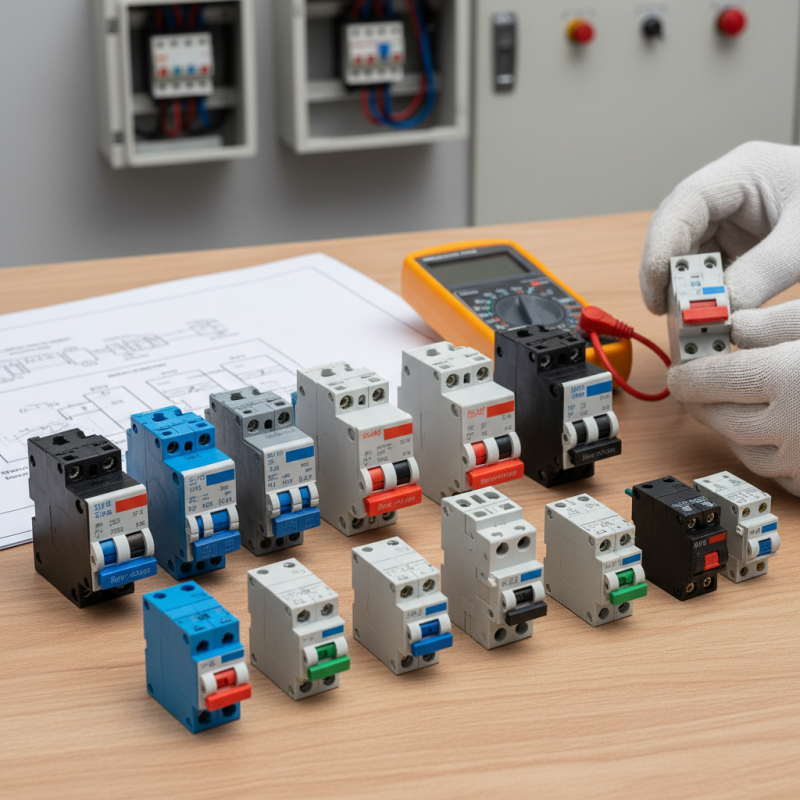
Choosing the right Miniature Circuit Breaker is crucial for any electrical setup. A Miniature Circuit Breaker protects circuits from overload or short circuits. When selecting one, consider the specific needs of your application.
Different environments require different specifications. For instance, residential setups often differ from industrial ones.
Understanding the load current and voltage rating is essential. Sometimes, users overlook these details. It can lead to malfunction or damage. Choose a Miniature Circuit Breaker that fits your electrical system perfectly. Don't settle for a generic solution. A well-suited breaker ensures safety and longevity in your electrical devices.
Understanding Miniature Circuit Breakers: A Comprehensive Overview
Miniature circuit breakers (MCBs) are essential for electrical safety. They protect circuits from overloads and short circuits. According to industry reports, MCBs can reduce electrical fires by up to 80%. This statistic highlights their crucial role in safeguarding properties.
When selecting an MCB, it’s vital to consider its rated current and trip characteristics. Common ratings range from 6A to 63A. However, installation mistakes can undermine effectiveness. For instance, an improperly rated breaker may trip too often or fail to trip under fault conditions. This shows the importance of aligning the MCB’s ratings with the load requirements of each circuit.
Reports suggest that using MCBs boosts system reliability. They allow easy reset after tripping. These benefits are clear. Yet, improper maintenance can lead to performance degradation. Dust and corrosion may accumulate over time, affecting their responsiveness. Regular checks are necessary to ensure optimal performance.
How to Choose the Best Miniature Circuit Breaker for Your Needs?
| Parameter | Details |
| Type | Single Pole, Double Pole, Triple Pole, Four Pole |
| Current Rating | 6A, 10A, 16A, 20A, 32A, 40A |
| Tripping Curve | Type B, Type C, Type D |
| Voltage Rating | 230V, 400V |
| Frequency | 50Hz, 60Hz |
| Environmental Rating | IP20, IP65 |
| Standards Compliance | IEC 60898, UL 489 |
| Applications | Residential, Commercial, Industrial |
Key Factors to Consider When Selecting a Miniature Circuit Breaker
When choosing the best miniature circuit breaker (MCB), several key factors must be evaluated. The rated current is crucial. It determines how much electricity the MCB can handle without tripping. For example, 80% of electrical installations should use MCBs rated for 16A to 32A, based on common circuit load data. Underestimating this can lead to frequent tripping, disrupting your operations.
Another important aspect is the breaking capacity. This indicates how much current the MCB can interrupt safely. Reports suggest that standard residential MCBs should have a breaking capacity of at least 6kA. However, industrial settings may require MCBs rated for 10kA or more, especially in areas with high fault currents. You must assess your environment carefully.
Lastly, consider the MCB's curve type. There are types B, C, and D, each suited for different applications. Type B is ideal for residential installations, while type C is better for commercial use. A mismatch in curve selection can lead to nuisance tripping or insufficient protection. Always analyze your usage patterns and potential overloads for optimal selection. This process might seem straightforward, yet many overlook these essential criteria. Proper assessment can dramatically improve safety and performance.
Different Types of Miniature Circuit Breakers and Their Applications
When selecting a miniature circuit breaker (MCB), understanding the types available is crucial. There are several types of MCBs, each designed for specific applications. The most common types include Type B, Type C, and Type D. Type B breakers trip at low overload currents. They are suitable for residential circuits like lighting and outlets. However, they might be sensitive to sudden surges, which could lead to unwanted trips.
Type C breakers are more versatile. They handle moderate overloads and are ideal for circuits with inductive loads, like motors. This type offers greater durability under peak loads, but they can sometimes fail to trip during prolonged overloads. Then, there are Type D MCBs, which cater to heavy machinery. These can withstand high inrush currents, making them essential for equipment such as transformers. However, the downside is that they may not offer sufficient protection for lighter applications.
Each type has its strengths and weaknesses. It's important to reflect on your specific needs. Choosing the right MCB involves considering current ratings, installation environment, and potential load types. You must balance effectiveness and safety, ensuring that the chosen MCB fits your electrical system requirements. Don’t overlook manufacturer specifications, as they can guide you in making better decisions.
Miniature Circuit Breaker Types and Applications
Evaluating Ratings and Specifications for Optimal Performance
Choosing the right miniature circuit breaker (MCB) is crucial for electrical safety. When evaluating ratings and specifications, you must consider multiple factors. Voltage ratings indicate the maximum voltage the MCB can handle. Most residential applications use 230V in Europe and 120V in North America. It's essential to match these ratings with your electrical system.
Another key specification is current ratings, usually expressed in amperes. Common ratings include 6A, 10A, 16A, and 32A. Selecting the correct current rating is vital. A lower rating may trip frequently, while a higher rating can lead to equipment damage. Research suggests up to 70% of electrical failures are due to incorrect MCB selection. Always check the load requirements.
Tips: Double-check your circuit's total amperage before making a choice. Do not focus solely on cost. The cheapest MCBs may compromise safety. Higher quality MCBs can save you money in the long run. Installation should be done by a qualified electrician. This ensures the MCB functions as intended.
Keep in mind environmental factors. MCBs need to work under certain conditions. An MCB operating at high temperatures may not perform well. Additionally, humidity can impact reliability. Sometimes, even seemingly ideal MCBs fail under stressful conditions, calling for reflection on our choices. Revisiting your specifications periodically can prevent issues down the line.
Installation and Maintenance Tips for Miniature Circuit Breakers
When installing miniature circuit breakers, it’s crucial to ensure proper placement. Place them in a dry, well-ventilated area. Avoid locations with excessive humidity. This reduces the risk of corrosion and electrical failure. Always keep a space around each breaker. This allows for easy access during maintenance and troubleshooting.
Routine maintenance is equally important. Check for any signs of wear or damage. Look for discoloration or any unusual noises. Regular inspections can help catch issues before they become serious. Dust and debris can inhibit performance. Cleaning them with a soft cloth can enhance functionality.
Remember to assess the symptoms of tripping breakers. Frequent trips could indicate overload issues. Don’t ignore these signs. It might be necessary to recalibrate the load distribution. Reflect on whether the circuit size matches the load. A mismatch can lead to larger issues down the line. Proper knowledge and foresight can contribute to safer electrical management.