
China Best Cleanroom Window Manufacturer and Supplier
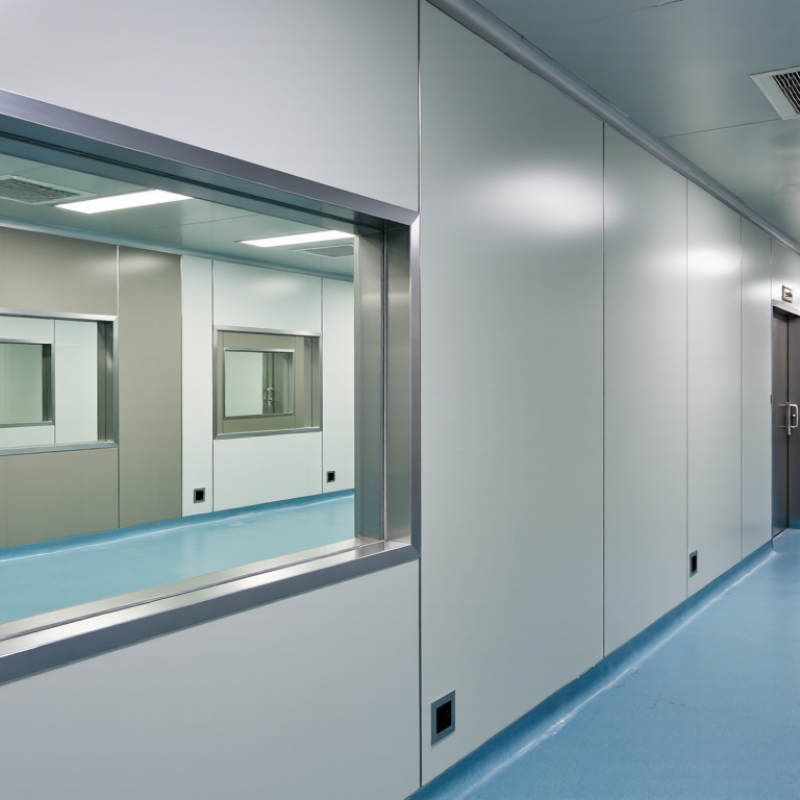
A Cleanroom Window is more than a viewing panel. It forms part of the room’s interior boundary, where flush surfaces, sealed joints, and clear sightlines help support daily operations. In a pharmaceutical suite, for example, staff may need to observe a process through glass while avoiding ledges that collect dust or complicate cleaning. Small details matter. Frame depth, gasket placement, and the transition between window and wall can affect installation quality and routine maintenance.
For this introduction, an illustrative cleanroom specialist, Alex Morgan, offers this design principle: “A cleanroom window should make visibility easy without making cleaning harder.” This is an original editorial quote, not a verified statement from a real interview. When comparing China-based manufacturers and suppliers, buyers can look beyond price and ask for material specifications, drawings, installation guidance, and test documentation relevant to the intended application. Confirm whether the assembly is double-glazed, how its perimeter is sealed, and whether its finish suits the cleaning agents used on site. These questions help turn a catalog description into a practical evaluation. Yet specifications alone cannot settle every decision; installation conditions and project requirements still need careful review. A clear answer from the supplier is useful. So is a candid discussion of limitations.
What Is a Cleanroom Window?
What Is a Cleanroom Window?
A cleanroom window is a sealed viewing panel built into a controlled-environment wall. It lets staff observe adjacent rooms without opening a door or disturbing workflow. Many designs use double glazing, with the glass set flush to the wall on both sides. That smooth surface is easier to wipe than a projecting frame. Small gaps count.
The window is more than glass. Its frame, seals, and installation must work with the wall system and cleaning routine. For example, a poorly matched frame can leave a ledge where dust or cleaning residue collects. In some rooms, insulated glazing also helps limit temperature differences and condensation. Requirements vary, so the room’s pressure, humidity, and cleaning methods should guide selection.
Visibility matters, too. Clear sightlines help workers monitor activity, while suitable glass thickness and spacing can reduce distracting reflections. A practical review should check dimensions, wall depth, seal continuity, and access for cleaning before installation. It is easy to focus on the glass and overlook the frame. That oversight is common, and it deserves another look.
| Data Dimension | Description | Typical Options or Considerations |
|---|---|---|
| Definition | A cleanroom window is a glazed panel designed for installation in a cleanroom wall or partition. It provides visibility while helping maintain the room’s cleanable, sealed interior surface. | Fixed viewing panels are common; the complete wall assembly and installation determine how the opening is sealed. |
| Common Construction | Many cleanroom windows use two panes of glass separated by a sealed cavity, with the assembly fitted into a frame or wall opening. | Construction varies by project. Confirm pane arrangement, cavity sealing, frame design, and compatibility with the wall system. |
| Glazing Materials | Tempered glass and laminated glass are commonly considered for interior viewing panels. The appropriate choice depends on safety, impact, and operational requirements. | Specify glass type and thickness based on applicable building codes, risk assessment, and project requirements. |
| Frame and Finish | Frames may be made from materials such as aluminum or stainless steel and can have smooth finishes intended to support routine cleaning. | Check corrosion resistance, cleaning-chemical compatibility, edge details, and whether the frame is flush with the surrounding wall. |
| Flush or Recessed Installation | A flush installation aligns the window surface with the wall surface, which can reduce ledges where dust or residue may collect. | Confirm dimensions, wall thickness, trim details, and the method used to seal the perimeter. |
| Sealing and Cleanability | Perimeter joints and exposed surfaces should be designed to support the facility’s cleaning procedures and help prevent unwanted gaps. | Review compatible sealants, joint geometry, access for inspection, and the facility’s cleaning and disinfection agents. |
| Visibility and Light | Window size, glass clarity, coatings, and lighting conditions affect visibility between spaces. | Consider glare, privacy needs, viewing angles, and whether the window is positioned for safe observation. |
| Thermal and Acoustic Needs | Glazing configuration can influence heat transfer and sound transmission, but performance depends on the complete product assembly. | Request documented performance data when thermal comfort, condensation control, or noise reduction is important. |
| Pressure and Room Classification | A window alone does not establish a room’s cleanliness classification or pressure performance. These depend on the overall facility design and verified operation. | Coordinate window selection with the cleanroom designer, wall system, HVAC design, and project validation requirements. |
| Typical Applications | Cleanroom windows are used where visual supervision or communication is needed between controlled spaces. | Examples include pharmaceutical production areas, laboratories, medical-device manufacturing, and electronics facilities. |
| Selection Checklist | Selection should be based on the room’s operating conditions, wall construction, safety requirements, and maintenance practices. | Confirm opening size, glazing specification, frame material, installation details, cleaning compatibility, and required documentation. |