What is a Car Inverter and How Does It Work?
In today’s fast-paced world, a Car Inverter has become an essential device for drivers. This technology allows users to convert DC power from their vehicle’s battery into AC power. According to a recent report by the International Automotive Components Group, the car inverter market is projected to grow by 10% annually, highlighting its rising significance.
Expert in automotive technology, Dr. John Anderson states, “Car Inverters are revolutionizing how we use energy in our vehicles.” His insights reflect the growing demand for devices that support modern electronic needs. Many drivers rely on these inverters to charge gadgets or power appliances on-the-go, increasing convenience.
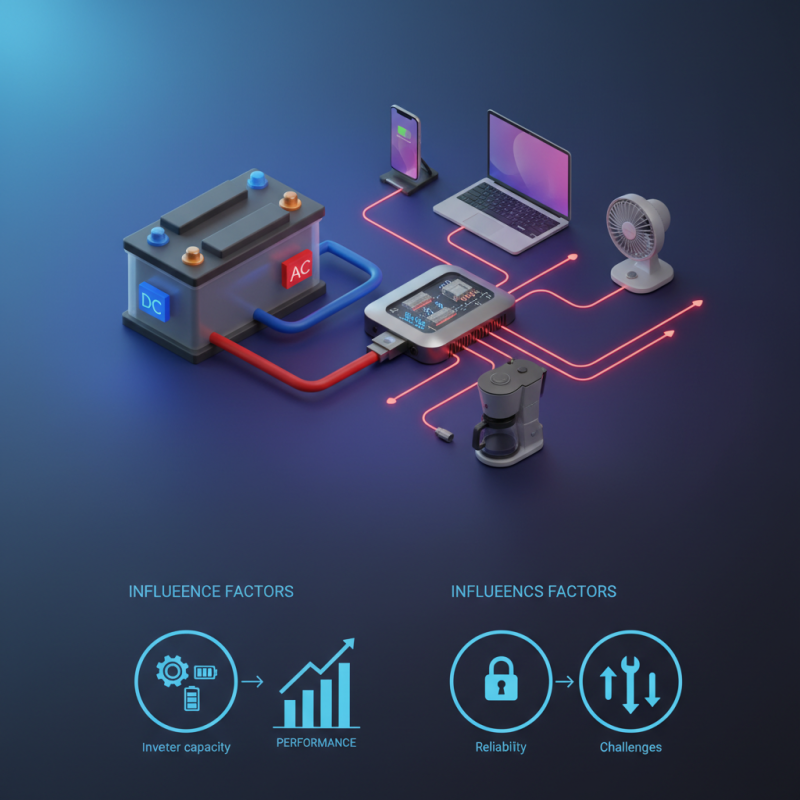
However, the efficiency of Car Inverters varies significantly. Factors such as inverter size and vehicle battery capacity affect their performance. Users must consider these aspects to make informed choices. As the industry evolves, continual improvements will likely enhance reliability and functionality, but challenges remain.
What is a Car Inverter?
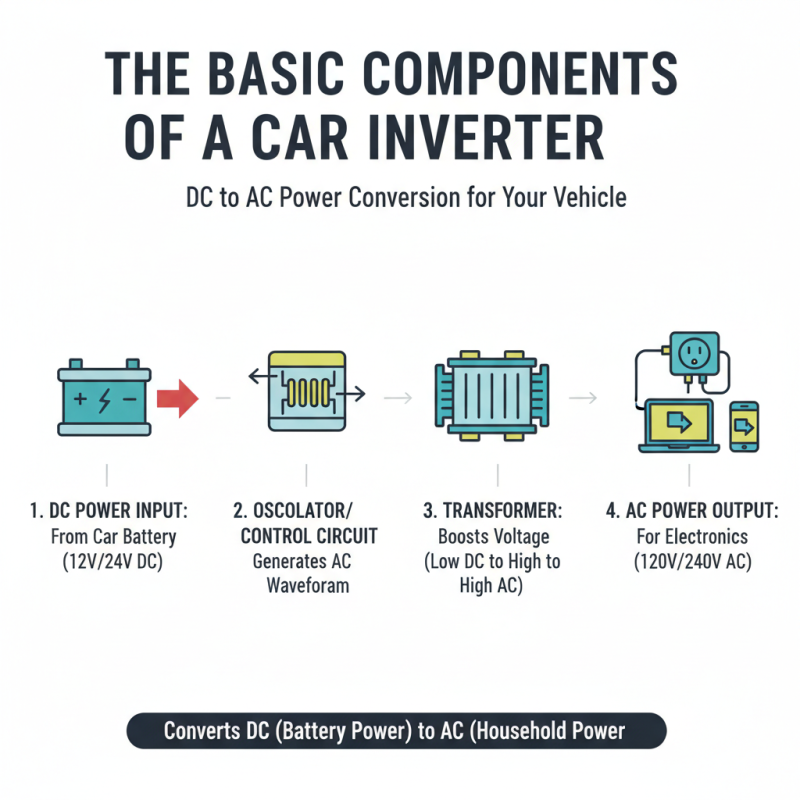
A car inverter is an essential device that allows you to convert the direct current (DC) from your vehicle's battery into alternating current (AC). This conversion process makes it possible to power various electronic devices while on the go. Common applications include charging laptops, running small appliances, and powering tools. Essentially, a car inverter enhances the utility of your vehicle, transforming it into a more versatile space.
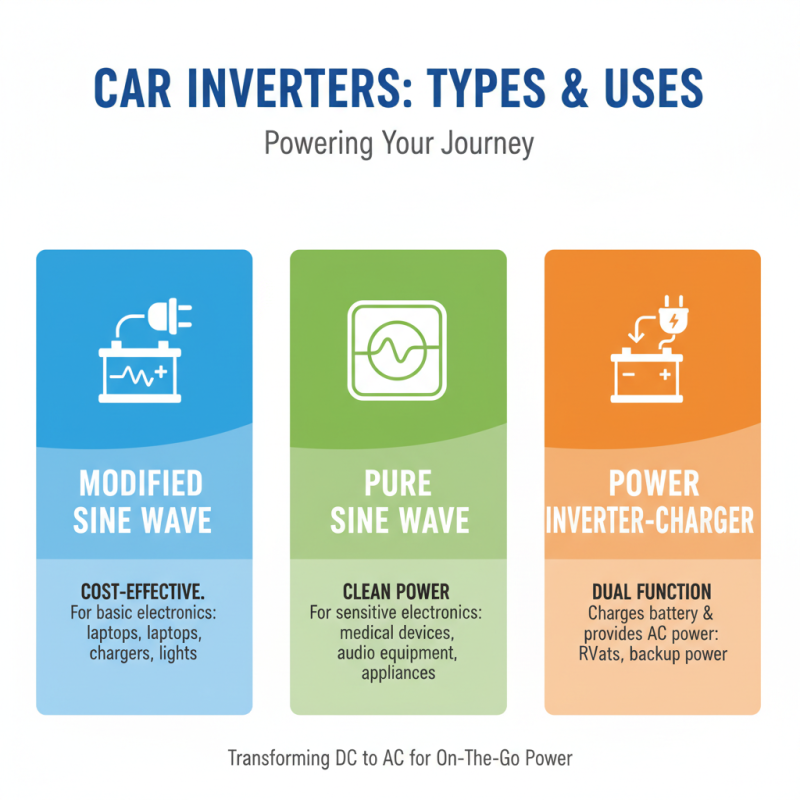
Understanding how a car inverter works is vital. It relies on an oscillation circuit to create AC from DC. The inverter uses transistors that switch on and off rapidly. This action generates a waveform output that mimics AC power. In some cases, these inverters can produce a modified sine wave, which is suitable for less sensitive equipment. However, not all devices work well with this type of power source, leading to potential inefficiencies.
Installation and use of a car inverter can come with challenges. Improper connections or overloading can lead to malfunctions. It is crucial to ensure your vehicle's battery can handle the additional load. Misjudging power requirements may result in damage to both the inverter and devices being powered. Regular maintenance, such as checking cables and connections, enhances reliability and performance.
The Basic Components of a Car Inverter
A car inverter is a device that converts DC power from a vehicle's battery to AC power. This conversion allows users to power various electronic devices. Understanding the components of a car inverter is crucial for maximizing its efficiency and reliability.
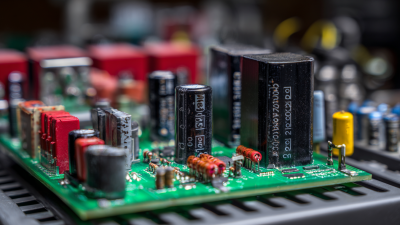
The core of a car inverter is the power electronics module. This module includes transistors that facilitate the conversion of power types. The quality of these transistors can directly affect the inverter's performance. According to a recent industry report, superior transistors can increase efficiency by up to 20%. Another key component is the transformer, which adjusts voltage levels. The right transformer ensures consistent output, crucial for sensitive devices.
Cooling systems are often overlooked but vital for effective inverter function. Heat generated during operation can lead to failures. Regular maintenance and monitoring can help prevent overheating. Battery protection features also play a role. They safeguard against over-discharge, extending battery life. As technological advances continue, the design and materials used in car inverters are expected to evolve. Exploring these innovations offers insights into improving vehicle energy systems.
How Does a Car Inverter Work?
A car inverter is a device that transforms the vehicle's direct current (DC) power into alternating current (AC). This conversion allows you to use standard household appliances while on the road. Car inverters are popular for road trips, camping, and powering small electronics.
The operation of a car inverter is relatively straightforward. It connects to the car's battery or the cigarette lighter socket. Once powered on, it converts the DC voltage from the car into a usable AC output. This enables various devices, such as laptops, phones, or small appliances, to function properly in your vehicle.
Tips: Ensure the inverter is compatible with the power requirements of your devices. Overloading the inverter can cause it to malfunction. It's also advisable to monitor the inverter's temperature during use. If it becomes too hot, turn it off to prevent damage.
When using a car inverter, remember that not all inverters are created equal. Some models may provide insufficient power, while others might be overly complex for casual use. Reflecting on your actual needs can help you choose the right inverter. Having a clear understanding of the devices you intend to power is crucial.
What is a Car Inverter and How Does It Work?
| Feature |
Description |
| Basic Function |
Converts DC (Direct Current) from car battery to AC (Alternating Current). |
| Types |
Pure sine wave, modified sine wave, and square wave inverters. |
| Power Ratings |
Commonly available in 150W, 300W, 600W, and 1200W capacities. |
| Usage |
Powering small appliances, charging devices, and emergency backup. |
| Input Voltage |
Typically 12V DC from vehicle batteries. |
| Safety Features |
Short circuit protection, overload protection, and thermal shutdown. |
Common Applications of Car Inverters in Daily Life
Car inverters are useful devices found in many vehicles. They convert DC power from the car's battery into AC power. This conversion enables the use of standard household appliances on the go. People often rely on them during road trips or camping.
Common applications include powering laptops, charging smartphones, and running small kitchen appliances. A driver can use a car inverter to brew coffee or operate a portable fridge at a campsite. It provides convenience and comfort when away from traditional power sources.
Additionally, some users find issues with their inverters. Occasionally, they may overheat or lack sufficient wattage for larger devices. Understanding these limitations is crucial for effective use. If someone plans to run multiple devices, seeking an inverter with the necessary capacity is essential.
Common Applications of Car Inverters in Daily Life
The bar chart above illustrates the power consumption (in watts) of common devices powered by car inverters. These devices include laptops, mobile devices, refrigerators, TVs, and tools, showcasing the versatility of car inverters in everyday scenarios.