Best Solar Applications for Cost Savings and Sustainability?
As the world pivots towards sustainable energy, "Solar Applications" become crucial for cost savings and environmental health. According to the International Renewable Energy Agency (IRENA), solar energy could provide 24% of the world's electricity by 2030. This significant shift emphasizes the need for effective solar technology implementation. Experts like Dr. Emily Sanchez, a leading researcher in renewable technologies, assert, "Investing in solar applications is not just smart; it's essential for our planet's future."
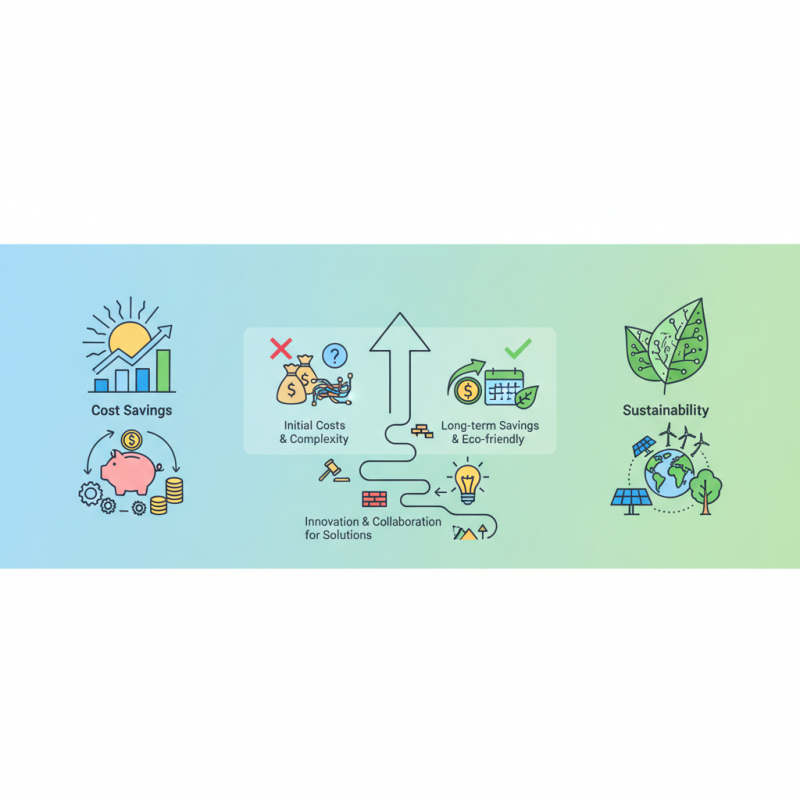
Many businesses hesitate to adopt solar solutions. They worry about high initial costs or complex installations. However, studies show that solar applications can lead to significant long-term savings. A report from the Solar Energy Industries Association (SEIA) highlights that solar system owners can save an average of $20,000 over 20 years. These numbers reflect the potential for monetary benefits alongside sustainability.
Yet, there are challenges. Market factors and local regulations can complicate the implementation of solar technologies. Some companies experience hurdles in financing or integrating solar with existing systems. Reflecting on these issues, the industry must focus on solutions. It's clear that maximizing the benefits of solar applications is a journey that requires continued innovation and collaboration.
Best Solar Applications for Cost Savings and Sustainability
Solar energy has become a popular choice for cost savings and sustainability. Homeowners are increasingly turning to solar panels to reduce electricity bills. These systems harness sunlight, converting it into usable energy. This can significantly lower monthly expenses. However, upfront costs remain a concern for many. Understanding long-term savings versus initial investments is crucial.
In addition to residential applications, businesses are also adopting solar technology. Solar power for commercial use can lead to substantial savings over time. Companies benefit from decreased energy costs and potential tax incentives. Still, the payback period may vary based on location and system size. This means businesses must consider their specific situations carefully.
Solar water heating is another practical application. It efficiently uses energy from the sun to heat water for various needs. While it can reduce gas or electricity costs, installation can be complex. Homeowners must weigh the benefits against the challenges. It's essential to evaluate all options before committing to a solar solution.
Best Solar Applications for Cost Savings and Sustainability
Understanding Solar Energy Basics and Its Benefits
Solar energy utilization has gained momentum due to its cost-saving and environmental benefits. According to a report by the International Renewable Energy Agency (IRENA), solar energy can help reduce energy costs by 75% over the lifetime of solar systems. This significant reduction makes solar adoption attractive for both residential and commercial sectors.
The environmental impact of solar energy is equally compelling. The U.S. Environmental Protection Agency (EPA) states that solar power can help reduce air pollution substantially. In fact, a typical solar panel system can offset nearly 100 tons of carbon dioxide over 30 years. Many consumers remain unaware of these benefits, leading to missed opportunities for sustainability.
While the long-term savings are clear, the initial investment can be a barrier. The average cost of solar installations has decreased by around 82% since 2010, yet upfront costs can still be daunting. Understanding local incentives and financing options can help alleviate concerns. Not everyone fully grasps the implications of this renewable source, but education is key to fostering adoption and full realization of solar’s potential.
Key Solar Applications for Residential Settings
Solar energy is becoming a popular choice for residential settings. Homeowners are increasingly discovering its potential for cost savings and sustainability. One key application is solar panels that convert sunlight into electricity. This clean power can significantly lower monthly utility bills. Many families report saving hundreds of dollars annually by using solar energy.
Another effective application is solar water heating. This technology uses sunlight to heat water for daily use. It reduces reliance on gas or electric heaters. However, installation costs can be high. Some homeowners feel apprehensive about the upfront investment. Yet, the long-term savings often surpass initial expenses.
Solar energy storage systems are also gaining attention. These systems store excess energy for later use. They provide power during cloudy days or at night, adding a layer of reliability to solar energy. Still, battery technology is evolving. Many users wonder about battery longevity and maintenance. Understanding these issues is crucial for making informed decisions.
Commercial Solar Solutions and Their Economic Impacts
The shift toward commercial solar solutions marks a significant step toward economic sustainability. Businesses can reduce energy costs while contributing to environmental preservation. Many companies have seen a decrease in utility bills by over 30% after installing solar systems. This leads to improved cash flow and enables reinvestment in core operations, fostering growth.
However, not all businesses experience smooth transitions. Some face initial high installation costs, which can deter adoption. It’s vital for firms to consider long-term savings against upfront investments. Federal and state incentives can help ease this burden, but accessing them can be complex. Inexperience with the solar market can also lead to inefficient systems that don’t meet energy needs.
Understanding energy production is crucial. Each business has unique energy consumption patterns. A tailored solar strategy can maximize these benefits. Collaboration with experienced solar consultants can optimize installations. Businesses should evaluate their specific requirements and weigh the potential savings against the challenges. This reflection can guide better decision-making for a sustainable future.
Innovative Solar Technologies for Enhanced Sustainability
Innovative solar technologies are paving the way for enhanced sustainability in energy consumption. According to the International Energy Agency (IEA), global solar power capacity could reach 4,500 gigawatts by 2030. This growth signifies a shift towards more sustainable energy solutions. Solar energy helps reduce greenhouse gas emissions and dependence on fossil fuels.
Emerging technologies, like solar photovoltaics (PV) and concentrated solar power (CSP), are at the forefront. For instance, PV efficiency has improved by over 20% in recent years. These advancements make solar systems more effective in harnessing sunlight. Moreover, solar battery storage innovations have made energy usage more efficient and reliable. Reports indicate that energy storage could contribute to saving up to $1 trillion globally by 2040.
Despite their potential, the adoption of solar technologies has challenges. High upfront costs can be a barrier for many consumers. Additionally, not all regions receive the same amount of sunlight. This variance affects the effectiveness of solar energy. As we invest in research and development, addressing these issues remains a priority for the industry. Data from the National Renewable Energy Laboratory (NREL) suggests that more comprehensive policies and incentives could enhance solar power's adoption.
Conclusion
The article explores various Solar Applications that promote cost savings and sustainability across different settings. It begins by outlining the fundamental principles of solar energy and its numerous benefits, emphasizing its role in reducing energy costs and carbon footprints. The discussion then shifts to key solar applications in residential environments, highlighting solar panels and home energy storage solutions that empower homeowners to harness renewable energy effectively.
In a commercial context, innovative solar solutions are examined for their potential economic impacts, demonstrating how businesses can achieve significant savings and enhance their sustainability efforts. The article also delves into the latest advancements in solar technologies that enhance efficiency and output, making solar investments more attractive. Ultimately, it evaluates the long-term financial benefits of adopting solar applications, reinforcing their value as a critical component of a sustainable energy strategy.