
Blog
10 Best Skin Remodeling Devices for Clinics in 2026
Skin Remodeling has moved from a specialist treatment room into everyday clinic planning. Devices now use radiofrequency, ultrasound, lasers, and other energy-based approaches to address texture, laxity, and visible signs of aging. The technology can look impressive. Choosing well takes more than a polished brochure.
The International Society of Aesthetic Plastic Surgery’s 2023 Global Survey recorded 19.1 million nonsurgical aesthetic procedures worldwide. That figure includes injectables and other treatments, not just device-based procedures. Still, it signals substantial demand for nonsurgical care. The distinction matters. Clinics need to compare evidence for each device and treatment, rather than treating broad market growth as proof of effectiveness.
Dermatologist Dr. Howard Murad has said, “The health of your skin is a reflection of your overall health.” That perspective is useful when evaluating skin-remodeling treatments: device settings matter, but so do patient selection, treatment planning, and follow-up. This guide reviews ten clinic devices for 2026, focusing on their technologies, practical uses, and considerations for providers. It is not a ranking of guaranteed results. Outcomes vary, and evidence can differ between platforms. That can be frustrating. It is also a reason to read the claims carefully.
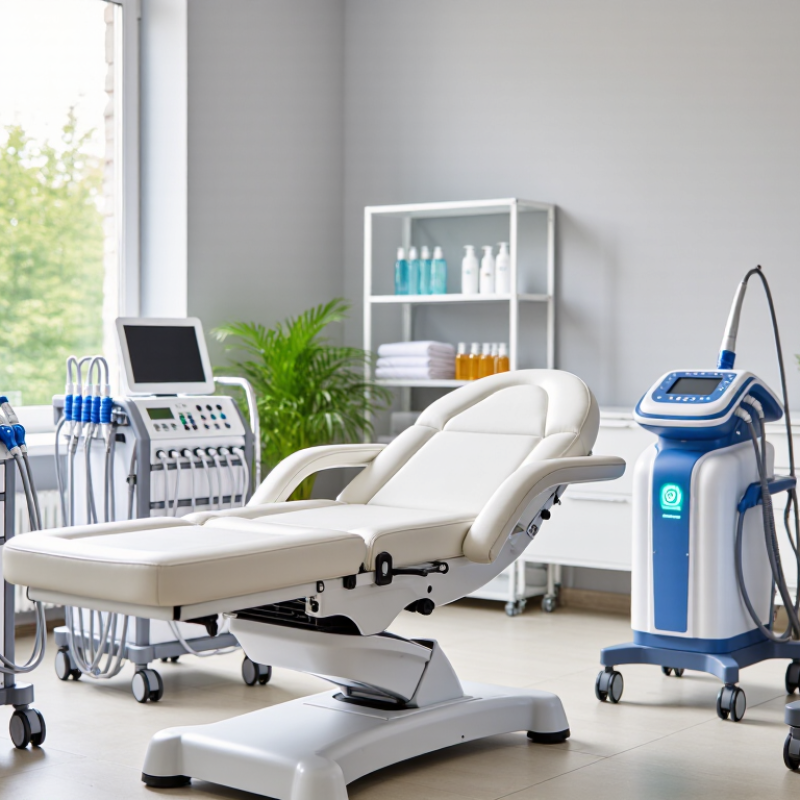
What Skin Remodeling Devices Do in Clinical Practice
In clinical practice, skin remodeling devices are tools for controlled tissue stimulation, not instant correction. Depending on the technology, radiofrequency, focused ultrasound, or fractional light-based energy may target different tissue depths. Treatment goals can include gradual changes in texture, fine lines, or mild laxity. Results vary, and early changes may be subtle. That matters.
Planning begins with a skin assessment and a review of the patient’s medical history, concerns, and previous treatments. A clinician selects the device and settings according to the treatment area and individual tolerance. Device instructions guide preparation, protective eyewear, and contact methods. Patients should understand likely discomfort, possible redness or swelling, and expected recovery time before treatment. One setting does not fit everyone.
Follow-up is part of the work. Clinicians can document baseline photographs, record settings, and assess healing before considering another session. Aftercare depends on the device and the person’s skin response, so simple, specific guidance is more useful than broad promises. Improvement may depend on skin condition, treatment course, and healing. Not every response is neat. That uncertainty deserves honest discussion. A device can support a treatment plan, but careful assessment and realistic expectations remain central.
Core Technologies Used in Skin Remodeling Systems
Skin remodeling systems work by delivering controlled energy or mechanical stimulation to selected tissue layers. Radiofrequency devices heat dermal tissue, encouraging collagen remodeling over time. Treatment depth and temperature matter. Cooling, pulse duration, and electrode design can affect comfort and energy delivery. A clinician should assess skin condition and treatment history before choosing settings.
Focused ultrasound targets deeper tissue with concentrated acoustic energy, while fractional laser systems create tiny treatment zones that prompt a repair response. Microneedling uses fine needles to create controlled channels; some systems combine it with radiofrequency. These approaches are not interchangeable. The same visible concern may call for different methods, depending on skin tone, laxity, and downtime tolerance. Results also vary. Clinics should review device specifications, training requirements, and credible clinical evidence rather than rely on broad marketing claims. These categories overlap, and labels can hide meaningful differences. That deserves a closer look.
Criteria for Evaluating Clinic Devices in 2026
Clinic buyers in 2026 should judge skin-remodeling devices by evidence, safety, and daily usability—not polished demonstrations. The American Society of Plastic Surgeons’ 2023 Procedural Statistics report recorded 25,442,640 minimally invasive cosmetic procedures in the United States, up 7% from 2022. That signals a sizable treatment market, but it does not prove that any device produces lasting results. Brochures are not evidence.
Ask for peer-reviewed studies matching the clinic’s intended treatments, patient skin tones, and treatment settings. Check how outcomes were measured, how long patients were followed, and whether adverse events were reported. Small before-and-after galleries rarely answer those questions. During a practical assessment, note treatment time, patient comfort, staff training needs, cleaning steps, service support, and consumable costs. These details affect whether a device fits a real schedule, not just a trial session. Compare expected maintenance and treatment capacity with realistic patient demand. Be cautious when vendors present projected revenue as certainty; local pricing and repeat visits vary. One imperfect part of device comparisons is that studies often use different endpoints, making direct rankings difficult. Document what remains uncertain before committing.
Criteria for Evaluating Clinic Devices in 2026
Suggested evaluation weighting for clinic procurement (%)
Safety and regulatory compliance receive the highest suggested weight, followed by clinical evidence and treatment efficacy. These are proposed decision weights—not measured market results or a ranking of specific devices.
Ten Leading Skin Remodeling Devices for Clinics in 2026
Ten leading skin-remodeling device categories for clinics in 2026 include monopolar radiofrequency, bipolar radiofrequency, fractional RF microneedling, microfocused ultrasound, non-ablative fractional lasers, fractional ablative lasers, intense pulsed light, pulsed-dye lasers, long-pulsed Nd:YAG lasers, and LED photobiomodulation. They differ in depth, downtime, and treatment targets, so this is a practical shortlist, not a universal ranking.
These figures signal substantial activity, but they do not measure demand for remodeling devices alone.
For clinic selection, compare clinical evidence, adjustable energy settings, treatment consistency, training needs, and service support. A device that performs well on laxity may be a poor fit for pigment concerns. Skin tone, treatment area, and patient tolerance matter.
Ask vendors for peer-reviewed studies and clear guidance on expected outcomes, adverse effects, and maintenance costs. Then review those claims against your clinic’s own results. Small details count: handpiece weight during a long session, or how easily staff can clean contact surfaces.
No single platform suits every patient. The comparison can get messy. ISAPS and ASPS figures describe procedure volumes, not proof that one technology works better than another.
Patient Selection, Treatment Protocols, and Safety Considerations
Patient selection should start with the concern, not the device. Assess skin type, laxity, scarring history, recent tanning, medications, and expectations. Ask about implanted devices when considering energy-based treatments; precautions depend on the technology. The American Society of Plastic Surgeons’ 2023 report recorded about 25.4 million minimally invasive cosmetic procedures in the United States. That figure signals broad demand, not proof that every remodeling treatment suits every patient. A focused exam and clear consent still matter.
Set a measurable baseline with consistent lighting and photographs. Match modality, depth, and energy to the treatment area and the patient’s skin response. Use conservative settings for a first session, then review redness, swelling, pigment changes, and comfort before adjusting. Follow the device’s instructions and your clinic’s infection-control procedures. Stop and reassess if pain, blistering, or unexpected discoloration develops. Small changes matter. A protocol can be useful and still need revision; documenting why settings change improves follow-up.
Tips: Explain expected downtime in practical terms, such as when makeup or exercise may resume. Give written aftercare, including sun protection and clear instructions for contacting the clinic. For darker skin tones or a history of pigment changes, discuss the risk of uneven pigmentation and consider a cautious test area when appropriate. Don’t promise a fixed result. Skin response varies.