What Is the Best RCC Pole Making Machine in 2026?
Selecting the best Rcc Pole Making Machine in 2026 depends on the poles you need to produce, not on a single headline specification. Pole length, diameter, reinforcement design, and daily output all shape the right choice. A machine suited to one factory may not fit another. Details matter.
Compare the forming method, mold options, compaction quality, and curing arrangements. Ask suppliers how their equipment handles your actual pole drawings and concrete mix. Where possible, review a live production run and inspect finished poles for dimensions, surface consistency, and visible defects. Request clear information about cycle time, power use, installation needs, operator training, and routine maintenance. These practical checks reveal more than a brochure alone.
Reliability also depends on the support behind the machine. Check spare-parts availability, warranty terms, service response, and references from plants with similar production demands. Confirm that stated capacity reflects your pole type and working conditions; advertised figures may rely on assumptions. There is no shortcut. A careful comparison should weigh purchase cost against labor, downtime, energy, and expected output over time. This guide examines the main machine types, selection criteria, and questions to ask before buying. One point deserves reflection: the lowest price can look attractive, yet it may not represent the lowest operating cost. A sound decision comes from verified specifications, realistic production planning, and evidence you can check.
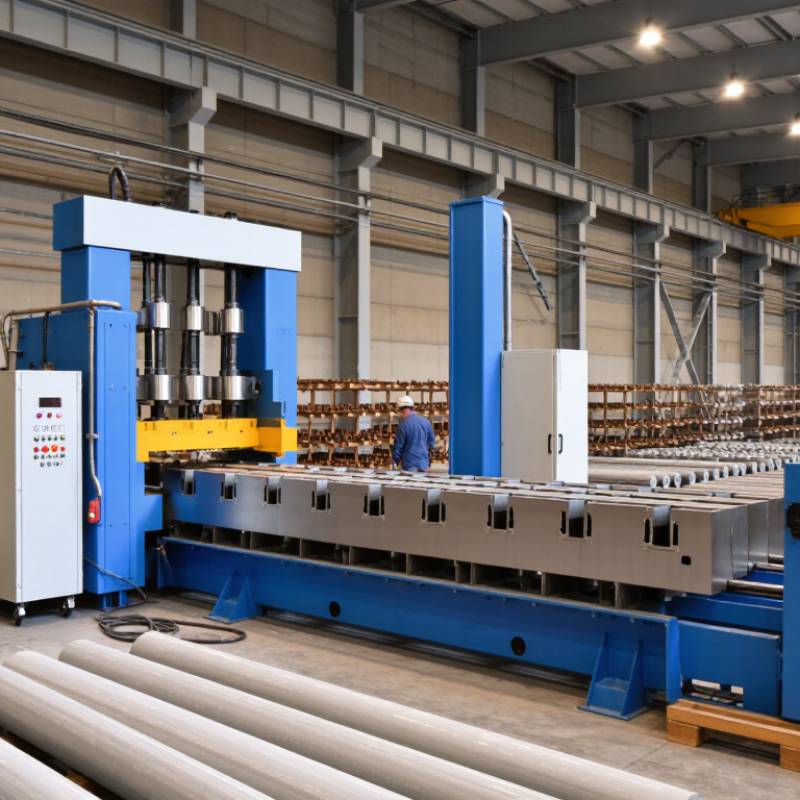
Define RCC Pole Types and Check Applicable Requirements in IS 785:1998
What Is the Best RCC Pole Making Machine in 2026?
Define RCC Pole Types and Check Applicable Requirements in IS 785:1998
RCC poles are reinforced concrete supports used for overhead power and telecommunication lines. Their selection depends on the intended service, required length, working load, and site conditions. A distribution pole beside a village road may face different loads from a pole carrying several conductors across an open span. The distinction matters. Confirm the pole’s design category and duty with the project specification before choosing a mould or production setup.
IS 785:1998 sets requirements for reinforced concrete poles, including relevant materials, dimensions, reinforcement, workmanship, and testing. Check the exact clauses, amendments, and acceptance criteria that apply to the pole being manufactured; do not rely on a machine supplier’s brochure as the specification. Keep drawings and inspection records, and verify reinforcement placement before concrete is poured. A cage shifted by a few centimetres can affect the finished product. It is easy to miss.
For machine selection, match mould length and section to the approved pole design, then assess concrete compaction, curing control, and safe demoulding. Trial production can reveal practical issues, though one successful pole proves little. Record measurements and test results, and review any deviations with a qualified engineer. Some requirements need careful interpretation against the project conditions. That deserves time.
What Is the Best RCC Pole Making Machine in 2026?
Choose a machine that suits the pole designs and production volume you need. Use this checklist when evaluating equipment for reinforced concrete poles and reviewing applicable requirements in IS 785:1998. The chart marks topics to verify; it does not show compliance scores or numerical limits.
Confirm pole type, dimensions, reinforcement details, concrete production, and testing arrangements against the current applicable standard, its amendments, and project specifications. No single machine is best for every pole design or production requirement.
Compare Centrifugal Casting and Vibration Moulding for Pole Geometry
What Is the Best RCC Pole Making Machine in 2026?
Compare Centrifugal Casting and Vibration Moulding for Pole Geometry
The best machine depends on the pole’s shape, not just its rated output. Centrifugal casting suits tapered, hollow poles. Rotation presses concrete outward, helping form a dense outer wall around the reinforcement cage. But speed, mix moisture, and cage alignment matter. A slightly off-center cage can leave uneven cover. That detail is easy to miss.
Vibration moulding offers more flexibility for solid sections, varied profiles, and moulds with shaped details. It can consolidate concrete around complex reinforcement, though crowded cages may trap air and leave small voids. A useful process reference is ACI 309R-05, Guide for Consolidation of Concrete. It gives 8,000–12,000 vibrations per minute as a typical internal-vibrator frequency range. This is a general concrete-consolidation benchmark, not a performance guarantee for pole machines. For a fair comparison, inspect trial poles for wall thickness, straightness, surface defects, and dimensional consistency.
Tips: Match the mould to the drawing, then test a full-size pole. Check the base, tip, and lifting points closely. One trial is not enough. Record mix proportions and machine settings; otherwise, a good result may be hard to repeat.
Size Machine Capacity by Mould Length, Pole Weight, and Shift Output
What Is the Best RCC Pole Making Machine in 2026?
The best machine is not always the one with the highest advertised output. Match its mould length to the longest pole you plan to produce, then check compatibility with pole diameter and design. A 12-metre mould may suit one product range but be wasteful if most orders are shorter. Confirm the machine’s usable mould length, not just its maximum stated length.
Next, compare pole weight and shift output. Heavier poles need suitable mould loading, spinning capacity, and safe handling equipment. Estimate production using moulds available, cycles per shift, and realistic operating time. For example, six moulds completing two cycles each could yield up to 12 poles per shift. That is a planning figure, not a promise: setup, cleaning, maintenance, and curing arrangements can reduce the actual total. Small delays add up.
Tips: Ask suppliers for cycle-time data using your intended pole dimensions and weight. Check what is included in the quoted capacity. Keep a simple shift log after installation; real output may differ from the estimate, and that difference deserves review.
What Is the Best RCC Pole Making Machine in 2026? - Size Machine Capacity by Mould Length, Pole Weight, and Shift Output
A practical comparison for matching machine and mould capacity to RCC pole production requirements.
| Mould Length | Typical Finished Pole Length | Typical Pole Weight | Suggested Machine Capacity Class | Estimated Output per 8-Hour Shift | Best Fit |
| 7.5 m | 6.5–7.0 m | 250–400 kg | Up to 7.5 m mould; about 0.4 t pole weight | 10–16 poles | Short distribution and rural electrification poles |
| 9 m | 8.0–8.5 m | 350–550 kg | Up to 9 m mould; about 0.55 t pole weight | 8–14 poles | General-purpose low- and medium-voltage networks |
| 10.5 m | 9.5–10.0 m | 450–700 kg | Up to 10.5 m mould; about 0.7 t pole weight | 7–12 poles | Mixed utility orders and higher-clearance applications |
| 12 m | 11.0–11.5 m | 600–900 kg | Up to 12 m mould; about 0.9 t pole weight | 6–10 poles | Longer spans and heavier utility pole designs |
| 14 m | 13.0–13.5 m | 800–1,200 kg | Up to 14 m mould; about 1.2 t pole weight | 4–8 poles | Large poles requiring heavier mould handling and lifting equipment |
Planning notes
Pole weights are indicative ranges for common tapered RCC utility-pole designs; actual weight depends on pole dimensions, concrete density, reinforcement, and design standard. Shift output is a planning estimate for one production line operating an 8-hour shift with concrete, reinforcement cages, mould handling, and labour available. It assumes curing is managed separately and is not a guaranteed machine rating. Confirm the required mould length, maximum pole dimensions, and handling loads against the selected pole design before specifying equipment.
Verify Concrete Quality with 28-Day Strength Tests Using ASTM C39
What Is the Best RCC Pole Making Machine in 2026?
A reliable RCC pole making machine should produce consistent compaction, dimensions, and concrete density across repeated batches. Yet machine performance is only part of the quality picture. The mix, water content, curing, and handling of test specimens matter too. For a fair comparison, record production settings and take concrete samples during normal operation, not only during a carefully prepared trial. Small process changes can affect strength.
ASTM C39 measures the compressive strength of cylindrical concrete specimens. Cast and cure representative cylinders using a documented procedure, then test them at 28 days in a calibrated compression-testing machine. Record the specimen dimensions, curing conditions, failure load, and calculated strength. Compare results with the project’s specified requirements and with results from other production batches. One strong cylinder is not proof of consistent quality. A result can also be misleading if a specimen was damaged or cured differently from the others.
Tips: Keep sampling and curing methods consistent. Label each cylinder with its batch and casting date. Check the testing machine’s calibration, and review unusual breaks instead of discarding them. A 28-day result is useful, but it does not explain every production variation. That part is easy to overlook. Use the data alongside dimensional checks and production records when evaluating a machine.
Rank 2026 Machines by Automation, Changeover Time, and Lifecycle Cost
What Is the Best RCC Pole Making Machine in 2026?
A useful 2026 ranking should weigh automation, changeover time, and lifecycle cost—not headline speed alone. For steady production of one pole size, highly automated equipment may rank first. It can reduce manual handling and keep feeding and spinning steps consistent. But sensors and controls need skilled maintenance. That matters. A mid-level automated machine may rank higher for plants switching pole lengths or mold sizes often. Compare actual mold-change minutes, crew size, and restart waste during a live trial.
Lifecycle cost can reorder the list. Include energy use, routine parts, labor, rejected poles, and downtime across several years. Ask suppliers for maintenance schedules and test records, then verify them against your own production conditions. A low purchase price is not a low operating cost. Neither is a complex system automatically more efficient. This ranking is provisional: local power quality, operator experience, and production mix can change the result.
Tips: Time a full changeover, from the last finished pole to the first acceptable new one. Inspect mold alignment and curing consistency, not just the control screen. Keep a small allowance for unexpected repairs; estimates are rarely perfect.