Blog

10 Best DC to AC Converters for Global Buyers?

Global buyers need more than a long product list when choosing a Dc To Ac Converter. They need dependable conversion, regional compatibility, and clear technical evidence. A unit may look powerful on paper, yet fail under heat, unstable voltage, or continuous loads. That difference matters.

IRENA reported that global renewable power capacity reached 4,448 gigawatts by the end of 2024, with about 585 gigawatts added during that year. This expansion is increasing demand for reliable inverters across solar systems, backup power, vehicles, and industrial equipment. The IEA also highlights the growing importance of power electronics as electricity systems become more flexible and decentralized. These reports support a practical conclusion: buyers should compare efficiency, waveform quality, protection functions, cooling design, and certification—not only wattage.

Professor Frede Blaabjerg, a leading power-electronics researcher, has stated, “Power electronics is the technology that enables the efficient conversion and control of electrical energy.” His observation explains why inverter selection requires engineering judgment. A compact 1,000-watt converter may run a laptop smoothly, but a refrigerator compressor can demand a sharp startup surge. Small details become expensive problems.

This guide examines ten Dc To Ac Converter options for global buyers. It considers modified and pure sine wave output, input voltage ranges, safety features, thermal performance, and after-sales support. The ranking is useful, not perfect. Product availability and certification rules can change by country. Always verify the latest datasheet before purchasing.
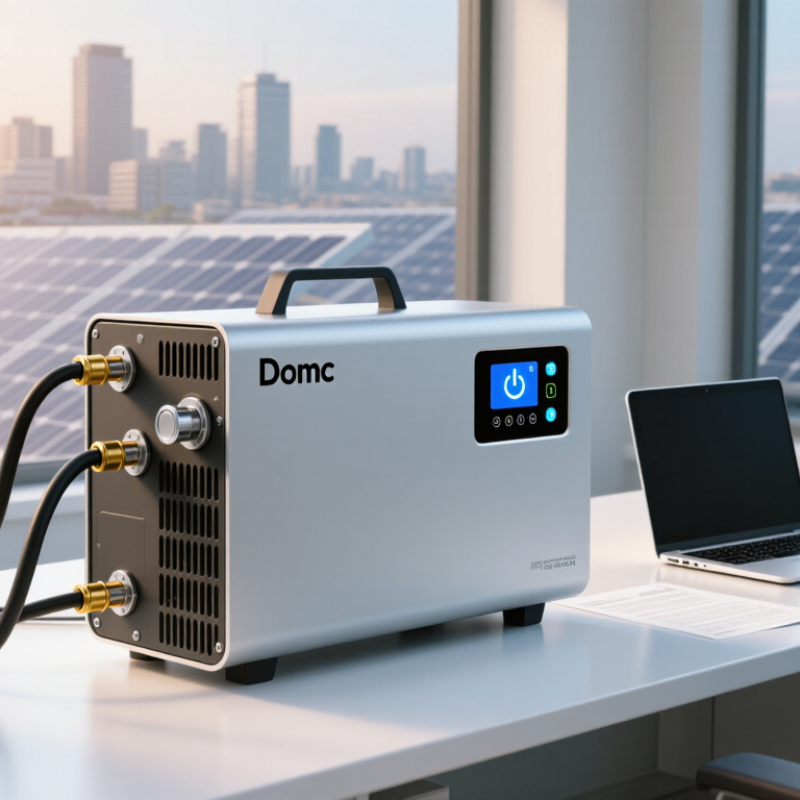
10 Best DC to AC Converters for Global Buyers?

DC-to-AC Converter Fundamentals for Global Buyers

DC-to-AC Converter Fundamentals for Global Buyers

DC-to-AC converter fundamentals matter more than a long product list. A converter, often called an inverter, changes battery or solar DC into household-style AC. Start with input voltage. A 12-volt model cannot replace a 24-volt system safely. Check continuous output power, not only the peak rating. A refrigerator may need several times its running wattage during startup. That brief surge can trip protection or damage an undersized unit.

Output waveform also matters. Pure sine wave output suits sensitive electronics, chargers, motors, and audio equipment. Modified sine wave output may work for simple loads, but some devices can run hot or make noise.

Global buyers should verify frequency, plug compatibility, and local electrical requirements before ordering. A converter designed for 60 hertz may not suit a 50-hertz appliance. Efficiency affects battery life, especially during overnight use. Look for overload, short-circuit, thermal, and low-voltage protection. Inspect ventilation space, cable thickness, fuse placement, and grounding instructions. Experienced installers measure real loads with a meter instead of trusting labels alone.

I once underestimated startup demand. The converter shut down repeatedly. It was safe, but inconvenient. Specifications need practical testing.

Tips:

  • Match the converter’s input voltage to the battery system.
  • Add the running watts of every device used together.
  • Leave extra capacity for startup surges.
  • Keep cables short and properly sized.
  • Recheck the manual before installation.
  • Be cautious with assumptions.

Key Specifications for Comparing Converter Performance

Choosing among the 10 best DC to AC converters for global buyers requires more than comparing wattage. Input voltage range matters when equipment moves between vehicles, solar systems, and battery banks. A converter rated only for one DC level may shut down during battery voltage drops. Check the acceptable range carefully.

WAVEFORM Waveform matters. A pure sine wave output usually suits sensitive electronics, motors, chargers, and audio equipment. Modified waveforms can create heat, buzzing, or unstable charging.

Measure continuous power, not only peak power. A refrigerator may start with a sharp surge, while its running demand remains modest. Leave practical headroom, often 20 to 30 percent. Measure under load.

Efficiency affects battery life. A converter operating at 90 percent efficiency still loses energy as heat. Inspect cooling design, fan behavior, and thermal derating at high temperatures. Protection against overload, short circuits, low input voltage, and excessive temperature improves reliability. Frequency selection is also important. Many regions use 50 Hz, while others use 60 Hz. Output voltage, socket format, grounding, and local compliance requirements must match the installation.

In field checks, I watch voltage stability with a multimeter and a real appliance. No-load readings can look excellent. Results change under demand. My early tests focused too heavily on peak wattage, which was a mistake. Cable length and thickness also affect performance. Shorter, properly sized cables reduce voltage loss. Some specifications remain vague, so buyers should request test conditions, noise levels, and thermal limits before comparing products.

Ten Top DC-to-AC Converters by Application and Capacity

10 Best DC to AC Converters for Global Buyers?
Ten Top DC-to-AC Converters by Application and Capacity

Global buyers should compare converters by use case, not marketing wattage. IRENA’s Renewable Capacity Statistics 2024 recorded 473 GW of renewable capacity additions in 2023, increasing demand for dependable power conversion. The ten practical categories are 150–300W vehicle converters, 300–1,000W camping units, 1–3kW home-backup units, 3–6kW off-grid models, 5–15kW residential solar inverters, 10–50kW telecom converters, 30–250kW commercial units, 100kW–1MW microgrid converters, 250kW–2MW battery power-conversion systems, and utility-scale units above 1MW.

Each category needs different evidence. Vehicle users should check socket compatibility, thermal shutdown, and surge output. Home systems need pure sine-wave output, transfer timing, and battery-voltage matching. Commercial and microgrid buyers should examine three-phase balance, overload behavior, remote monitoring, and enclosure protection. For outdoor installations, ingress protection and operating temperature matter more than a large headline rating. The International Energy Agency’s Renewables 2024 report also highlights rapid solar expansion, making grid synchronization and anti-islanding protection increasingly important.

A ranking can mislead. A 2kW converter may outperform a 3kW model under heat if its cooling design is stronger. Efficiency figures also vary with load, so buyers should request part-load test results. I would compare certification records, harmonic distortion, warranty terms, and service availability before choosing capacity. Laboratory data is useful, but field performance still deserves scrutiny.

International Voltage, Frequency, Plug, and Certification Requirements

10 Best DC to AC Converters for Global Buyers?

International Voltage, Frequency, Plug, and Certification Requirements

Choosing a DC to AC converter for international use requires more than checking wattage. Confirm the input DC range, continuous output power, and surge capacity. A 12-volt vehicle system may drop below 12 volts during startup. Your converter must tolerate that change. Output voltage also matters. Most regions use 110–120 volts or 220–240 volts. Frequency can be 50 or 60 hertz. Some motors, clocks, and medical equipment may behave poorly with the wrong frequency.

Plug design is another practical concern. A converter may support universal sockets, but the wall connection still needs the correct local plug. Avoid loose adapters. They can heat under heavy loads. Certification marks should match the destination market, such as CE, UKCA, or other recognized requirements. Verify the certificate number and product documentation. A printed logo alone proves little. I have seen buyers focus on price and overlook grounding, ventilation, and cable length. That choice often creates trouble later.

Tips: Build a ten-item shortlist using voltage compatibility, frequency support, waveform quality, overload protection, cooling, and certification records. Choose pure sine wave output for sensitive electronics. Leave at least 20 percent spare capacity. Read the manual carefully. Test the converter with a small load before connecting expensive equipment. Specifications can be incomplete, so ask the supplier for laboratory reports and destination-market documents.

10 International AC Output Requirements for Global Buyers

The chart compares typical nominal mains voltage requirements across major destination markets. Frequency, plug type, and representative market compliance requirements are shown in the chart tooltips.

Buyers should confirm the exact destination standard before selecting a DC-to-AC converter. Frequency may be 50 Hz, 60 Hz, or both depending on the market, while certification requirements can vary by product category, power rating, and intended use.

Installation, Safety, Maintenance, and Purchase Considerations

10 Best DC to AC Converters for Global Buyers?

Selecting a DC to AC converter requires more than checking wattage. Match the input voltage to your battery system and confirm the required AC output. A unit rated for continuous power should handle your normal load without overheating. Leave extra capacity for motors, pumps, and other startup surges. Installation should include short, properly sized cables, secure terminals, and ventilation around the housing. A converter placed inside a sealed cabinet may fail early. I have seen loose connections create heat marks within weeks.

Tips: Measure twice. Use a fuse near the battery. Keep cables short and protected from abrasion. Never cover cooling vents. Test the output with a suitable meter before connecting sensitive equipment. Grounding requirements can differ between countries, so consult local electrical standards and a qualified installer. An adapter plug does not correct voltage or frequency differences.

Safety checks should continue after installation. Inspect terminals for corrosion, listen for unusual fan noise, and check the casing for excessive warmth during normal use. Clean dust with the power disconnected. Do not operate a damaged converter. Purchase decisions should include verified efficiency, overload protection, temperature limits, warranty terms, replacement access, and clear technical documentation. Certification markings should be genuine and relevant to the destination market. Specifications can be incomplete, so ask for test conditions and continuous-load data. A cheaper unit may cost more after one preventable failure.

10 Best DC to AC Converters for Global Buyers? – Installation, Safety, Maintenance, and Purchase Considerations
No. Converter Type Typical DC Input Typical AC Output Rated Power Waveform Typical Efficiency Suitable Applications Installation and Safety Considerations Maintenance and Purchase Checks
1 Compact automotive inverter 12 V DC 100–120 V or 220–240 V AC 150–300 W continuous Modified sine wave 80–90% Charging small electronics, laptops, lights, and low-power tools in passenger vehicles. Connect directly to a properly rated accessory socket or fused battery circuit. Do not use with medical equipment, motors, or heating appliances unless compatibility is confirmed. Allow ventilation around the housing. Check cable, plug, fuse, and ventilation openings regularly. Confirm the vehicle voltage, socket current rating, plug type, and continuous—not peak—power rating.
2 Heavy-duty vehicle inverter 24 V DC 100–120 V or 220–240 V AC 600–1,500 W continuous Pure sine wave or modified sine wave 85–93% Commercial vehicles, mobile workshops, refrigeration controls, communication equipment, and field service tools. Use short, adequately sized DC cables with an inline fuse or circuit breaker close to the battery. Secure the unit against vibration and keep it away from fuel, water, and exhaust heat. Inspect terminals for loosening or corrosion and clean cooling paths. Verify battery-bank voltage, surge capability, grounding method, and low-voltage shutdown settings.
3 Residential solar inverter 200–600 V DC, depending on system design Single-phase 220–240 V AC or 100–120 V AC 3–10 kW Grid-synchronized pure sine wave 95–98% Rooftop photovoltaic systems, household loads, and grid-connected self-consumption installations. Installation should be performed by a qualified electrician. Include DC and AC isolation, overcurrent protection, surge protection where required, correct earthing, and compliance with local grid-interconnection rules. Review operating logs and fault codes, keep ventilation clear, and inspect connectors for heat damage. Confirm local certification, grid frequency, voltage range, export-control capability, and warranty service coverage.
4 Off-grid solar inverter-charger 12, 24, or 48 V DC 100–120 V or 220–240 V AC 1–6 kW continuous Pure sine wave 88–95% Cabins, rural homes, telecom shelters, backup systems, and locations without reliable utility power. Provide a correctly sized battery bank, DC fuse, disconnect, grounding, and ventilation. Follow battery-specific safety requirements, especially for flooded lead-acid and lithium battery systems. Check battery state of charge, terminal torque, temperature sensors, and firmware. Compare surge rating with the starting current of pumps, compressors, and power tools.
5 Portable power-station inverter Integrated battery, commonly 12–48 V internally 100–120 V or 220–240 V AC 300–2,000 W continuous Pure sine wave 85–92% Camping, emergency charging, travel, temporary work sites, and short-duration backup power. Use on a dry, stable surface with unobstructed air inlets and outlets. Do not operate or charge the unit in wet areas or inside sealed containers. Respect transport and charging temperature limits. Recharge periodically during storage, check battery-health indicators, and clean ports carefully. Confirm usable watt-hours, recharge time, outlet standards, pass-through behavior, and replacement-battery policy.
6 Uninterruptible power supply inverter 12, 24, or 48 V battery bus 100–120 V or 220–240 V AC 600 VA–10 kVA Pure sine wave 90–97% Computers, networking equipment, control systems, security systems, and other loads requiring continuity during outages. Use a dedicated, grounded circuit and maintain clearance for battery and ventilation access. Do not overload the unit or connect additional power strips without checking the total load and inrush current. Perform scheduled battery tests, inspect alarms and event logs, and replace batteries according to condition and manufacturer guidance. Check transfer time, runtime at the required load, bypass function, and communication interfaces.
7 Industrial DC–AC inverter 24, 48, 110, or 220 V DC Single-phase or three-phase AC 5–100 kW Pure sine wave with controlled frequency 94–98% Automation equipment, factory machinery, transport systems, distributed power supplies, and industrial control cabinets. Use a professional electrical design with selective protection, correct cable sizing, thermal management, grounding, and electromagnetic-compatibility controls. Follow lockout/tagout procedures before service. Inspect filters, fans, busbars, terminals, and thermal readings. Purchase decisions should include overload profile, ambient-temperature derating, enclosure rating, harmonic limits, service access, and spare-parts availability.
8 Three-phase motor-drive inverter 24–800 V DC, application dependent Three-phase variable-frequency AC 0.75–75 kW PWM synthesized sine wave 92–97% Fans, pumps, conveyors, compressors, machine tools, and other variable-speed motor applications. Install with suitable motor cables, protective earthing, overload settings, and separation from sensitive signal wiring. Follow the drive’s minimum and maximum motor-cable lengths and braking requirements. Keep cooling channels clean and check motor insulation, bearings, connections, and fault history. Confirm motor voltage, current, frequency, acceleration profile, braking method, and local EMC requirements.
9 Telecom and network DC inverter 48 V DC nominal 100–120 V or 220–240 V AC 300–3,000 W Pure sine wave 88–95% Wireless base stations, network cabinets, radio equipment, monitoring systems, and remote communication sites. Use a protected DC distribution system and appropriate rack or wall mounting. Provide adequate airflow, cable strain relief, surge protection, and a reliable protective-earth connection. Monitor input voltage, temperature, alarms, and load trends remotely where possible. Check rack dimensions, noise level, connector type, redundant-input options, and compatibility with the site’s battery backup.
10 Marine and recreational-vehicle inverter 12 or 24 V DC 100–120 V or 220–240 V AC 1–3 kW continuous Pure sine wave 87–94% Boats, motorhomes, mobile offices, refrigeration, navigation equipment, and onboard household appliances. Mount in a dry, ventilated location away from batteries and combustible vapors. Use marine- or vehicle-appropriate fusing, bonding, cable protection, and residual-current protection where required by local rules. Inspect for moisture, salt corrosion, vibration damage, and loose connections. Confirm environmental protection, ingress rating, surge capacity, shore-power transfer compatibility, and regional AC outlet configuration.

Note: Specifications are typical application ranges rather than guarantees for a particular product. Always verify the applicable electrical code, grid requirements, installation manual, load characteristics, and regional plug and voltage standards before purchase or installation.