Best Ball Bearing Types for High Performance Applications?
In the world of engineering, selecting the right Ball Bearing is crucial for high performance applications. According to Dr. Emily Chen, a renowned expert in tribology, "The right choice of ball bearings can significantly enhance efficiency and longevity." This statement underlines the importance of understanding the various types of ball bearings available.
Ball bearings are integral components in machinery, affecting speed and durability. Different designs cater to distinct needs, whether it's for high-speed motors or precision instruments. Consider the benefits of ceramic ball bearings versus traditional steel ones. Ceramic options offer lower friction and reduced weight, which can lead to better performance in specific environments. Yet, they may not be suitable for every application.
Manufacturers often struggle to balance performance with cost. High-performance ball bearings can be expensive, and not all applications justify the investment. Reflecting on this, it becomes clear that choosing the right ball bearing type requires careful consideration of both performance metrics and budget constraints.
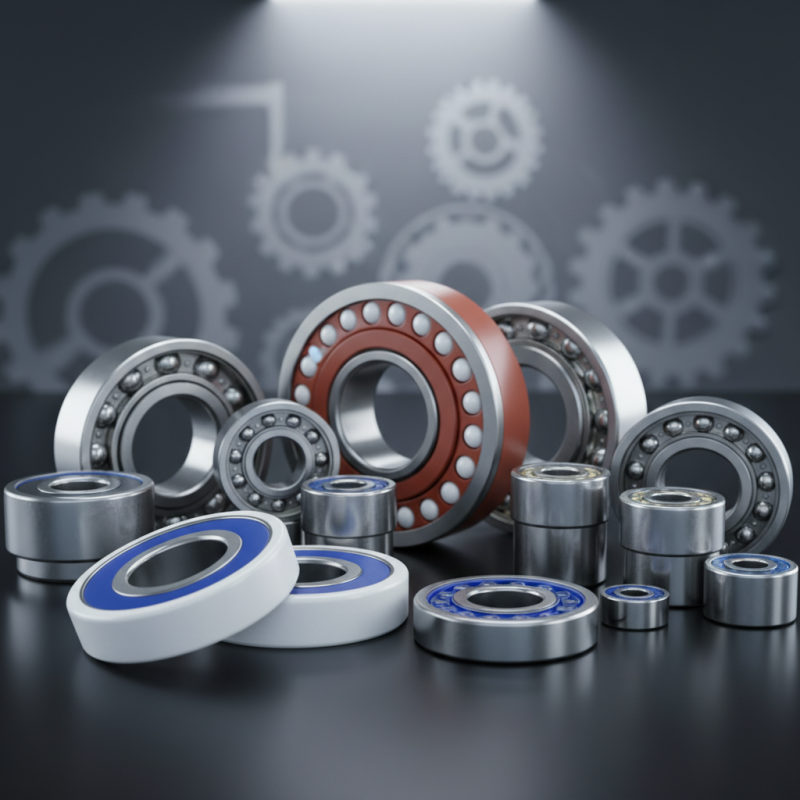
Types of Ball Bearings: An Overview of High Performance Options
When exploring the various types of ball bearings for high-performance applications, one must consider material and design. Ceramic ball bearings, for instance, are incredibly durable. They resist corrosion and provide excellent thermal stability. However, their higher cost might limit their use in some projects.
Another popular option is stainless steel ball bearings. They offer a good balance of strength and resistance to wear. These bearings work effectively in humid environments. But they are heavier than their ceramic counterparts. This extra weight can lead to decreased efficiency in some applications.
Hybrid ball bearings combine both ceramic and steel elements. They can reduce friction and improve performance. However, they require careful installation to ensure alignment. Misalignment can lead to premature wear, which defeats their purpose. Each type has its strengths and weaknesses. It's essential to assess the specific needs of your application.
Key Features of High Performance Ball Bearings
High-performance ball bearings are essential for various applications, especially in the aerospace and automotive industries. They often operate at high speeds and under heavy loads. Key features of high-performance ball bearings include increased load capacity, lower friction, and enhanced durability. According to the Bearing Industry Code of Practice, bearings that utilize advanced materials can outperform traditional steel bearings by up to 40% in terms of life expectancy.
The design also matters. Many high-performance bearings use optimized internal geometries. This allows for smoother operation and reduced wear. Engineers often recommend ceramic balls for high-temperature applications. These can withstand extreme conditions while maintaining performance. Studies show that using ceramic bearings can reduce weight by 30%, improving energy efficiency.
Tip: Regular maintenance is crucial. It can prolong the life of ball bearings significantly. Check for any signs of wear early on. Additionally, use lubricant specifically designed for high-performance applications. This choice can impact performance.
Another consideration is noise reduction. High-performance bearings must operate quietly, especially in medical equipment. Selecting the right ball bearing can decrease noise levels by 50%. This ensures better operation in sensitive environments.
Improvement often requires trial and error. Testing different configurations might yield better results than expected. Remember, not every bearing design will suit every application perfectly. Adapting to specific needs is essential for achieving peak performance.
Applications Where High Performance Ball Bearings Excel
High-performance ball bearings play a crucial role in diverse applications. These bearings excel in environments requiring precision and durability. For instance, aerospace components rely on them for smooth operation. Any failure can have serious consequences, making reliability a top priority.
In robotics, high-performance ball bearings enhance movement efficiency. They ensure that robotic arms function correctly under load. However, even the best bearings can wear down from constant use. Regular maintenance and monitoring are essential to avoid malfunction.
Medical equipment is another field where high-performance ball bearings shine. They enable precise movements in surgical tools. The challenge is maintaining cleanliness and functionality. A single malfunction could impact patient care. Engineers need to balance performance and longevity. High-performance ball bearings offer great advantages, but they require careful consideration.
Material Choices for High Durability in Ball Bearings
When choosing materials for ball bearings, durability is key. High-performance applications often demand bearings that can withstand harsh environments. Steel remains a popular choice due to its strength and resistance to wear. However, it's not always the best option. It can corrode, especially in moisture-rich settings.
Ceramic bearings are another alternative. They are lighter and offer superior resistance to chemical wear. They also operate at higher speeds with less friction. Yet, they can be brittle. This brittleness means they require careful handling during installation.
Plastic ball bearings provide unique benefits as well. They are corrosion-resistant and lightweight. Yet, they might not hold up under extreme loads or temperatures. This is a critical consideration in high-performance applications. Finding the right balance of material and application is an ongoing challenge. Each choice carries potential risks and rewards.
Best Ball Bearing Types for High Performance Applications
| Bearing Type | Material | Load Capacity (N) | Speed Rating (RPM) | Temperature Range (°C) |
| Deep Groove Ball Bearing | Chrome Steel | 2000 | 5000 | -30 to 120 |
| Angular Contact Ball Bearing | Stainless Steel | 2500 | 6000 | -20 to 150 |
| Self-Aligning Ball Bearing | Polymer | 1200 | 3000 | -40 to 80 |
| Thrust Ball Bearing | Brass | 1500 | 2500 | -20 to 100 |
| Spherical Roller Bearing | Ceramic | 3000 | 4000 | -50 to 200 |
Maintenance Tips for Maximizing Ball Bearing Performance
Proper maintenance is crucial for maximizing ball bearing performance. Regular inspections can prevent costly failures. A study by the American Society of Mechanical Engineers (ASME) indicates that about 15-30% of bearing failures stem from inadequate maintenance. Simple steps, like cleaning and lubrication, can extend bearing life significantly.
When it comes to lubrication, the right type matters. Not all lubricants are created equal. According to a report from the International Journal of Mechanical Engineering, using the correct viscosity can enhance performance by up to 50%. Keep in mind that over-lubrication can create more harm than good. Finding the balance is essential.
Monitoring temperature and vibration can also provide insights into bearing health. Tools like temperature sensors can alert users to irregularities. The National Lubricating Grease Institute suggests that every 10-degree rise in temperature can reduce bearing life by 50%. Investing in monitoring technology may seem expensive, but it pays off in long-term savings. Balancing these factors is an ongoing challenge in high-performance applications.
Comparison of Different Ball Bearing Types for High Performance Applications
This chart compares the load capacities of various types of ball bearings commonly used in high performance applications. Understanding these differences can help in selecting the appropriate bearing type for specific operational requirements.