Top 5 Benefits of Polypropylene Capacitors for Global Buyers?
Polypropylene Capacitors are increasingly recognized in various industries for their unique advantages. Expert Dr. Emily Johnson, a leading authority in electronic components, states, “Polypropylene capacitors offer stability and reliability, making them essential for critical applications.” This insight underscores the growing importance of these components in the marketplace.
One significant benefit of polypropylene capacitors is their high electrical insulation. This characteristic allows them to perform well under varying conditions. Additionally, their low equivalent series resistance (ESR) is crucial for enhancing system performance. Many buyers appreciate that these capacitors have a longer lifespan compared to their counterparts. This durability translates to cost savings and fewer replacements.
However, it is essential to consider certain factors before procurement. For instance, the initial costs can be higher, which may deter some buyers. Yet, the long-term benefits often outweigh these upfront investments. Understanding both the merits and challenges of polypropylene capacitors will help buyers make informed decisions.
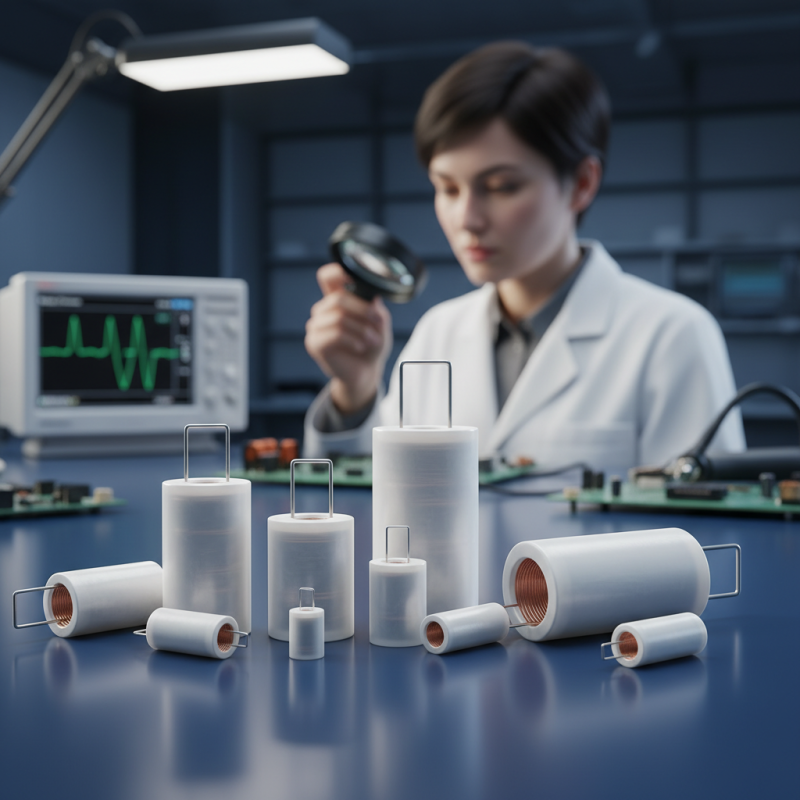
Overview of Polypropylene Capacitors and Their Applications
Polypropylene capacitors, known for their high stability and low loss, are gaining attention among global buyers. These capacitors are made from polypropylene film, which provides excellent insulation and dielectric strength. This makes them suitable for a range of applications, including power electronics, audio equipment, and renewable energy systems.
In applications requiring high reliability, polypropylene capacitors excel. They have low self-heating and can operate effectively in adverse conditions, making them ideal for electric vehicles and industrial machinery. A report by Research and Markets indicates that the global capacitor market is projected to grow significantly, driven by the rise in electric vehicle adoption and renewable energy sources. Buyers should consider the extended lifespan of these capacitors, typically lasting over 10 years in optimal conditions.
Tips: When selecting polypropylene capacitors, always check the temperature and voltage ratings. This ensures they will perform well in your specific application. A mismatch could lead to failure, which can be costly. Always consult technical specifications from reliable sources before making a purchase.
Key Advantages of Polypropylene Capacitors in Electrical Systems
Polypropylene capacitors are gaining popularity in electrical systems worldwide. Their low equivalent series resistance (ESR) leads to improved efficiency. Studies show these capacitors significantly reduce power losses. According to industry reports, their thermal stability is superior, making them ideal for high-temperature applications.
These capacitors enhance signal clarity. This characteristic is vital in audio systems and precision instruments. A report highlighted that polypropylene capacitors offer less distortion than other capacitor types. Users often find that this clarity improves overall system performance.
Tip: When selecting capacitors, consider the operating environment. Polypropylene capacitors perform best under stable conditions. However, they may underperform in extreme conditions. Regular testing can help ensure reliability over time.
In addition to their electrical benefits, polypropylene capacitors are environmentally friendly. They are often recyclable, reducing waste. However, the manufacturing process can sometimes lack transparency. Buyers should inquire about production practices for peace of mind.
Top 5 Benefits of Polypropylene Capacitors for Global Buyers
| Benefit | Description | Application Areas |
| High Thermal Stability | Polypropylene capacitors can operate at high temperatures without significant degradation, making them reliable in demanding applications. | Industrial equipment, automotive systems |
| Low Self-Discharge Rate | These capacitors retain their charge for extended periods, enhancing energy efficiency and reliability. | Consumer electronics, power supplies |
| Excellent Dielectric Properties | With a high dielectric strength, polypropylene capacitors provide superior insulation, reducing energy losses. | Audio equipment, telecommunications |
| High Voltage Ratings | They can withstand high voltage applications, making them suitable for a variety of challenging environments. | Medical devices, power generation |
| Long Lifespan | Polypropylene capacitors have a long operational life, reducing the need for frequent replacements. | Lighting systems, renewable energy applications |
Durability and Reliability: How Polypropylene Capacitors Excel
Polypropylene capacitors are renowned for their durability and reliability. This high-performance component offers low equivalent series resistance (ESR), which enhances efficiency in various applications. Their ability to withstand high temperatures is impressive. They can function effectively without significant degradation, ensuring longevity.
An essential aspect is their resistance to humidity and other environmental factors. This feature maintains performance consistency in diverse conditions. However, this does not mean they are without flaws. Sometimes, varying voltage ratings can lead to performance issues. Understanding the specifications before selection is critical.
Moreover, the lightweight nature of polypropylene capacitors contributes to their versatility. They are used in numerous electronic devices, from simple household appliances to sophisticated industrial machinery. Despite these advantages, users must consider potential issues like cost. Higher quality often comes at a premium, which can influence decision-making. Balancing performance and budget remains a challenge for many global buyers.
Cost-Effectiveness of Polypropylene Capacitors for Global Buyers
Polypropylene capacitors offer significant cost-effectiveness for global buyers. They often come at a lower production cost compared to other types of capacitors. This is especially appealing for businesses seeking reliable electrical components without straining their budgets. The materials used in these capacitors are commonly available, which further reduces expenses.
Moreover, the manufacturing process for polypropylene capacitors has become more efficient over the years. This efficiency allows producers to pass savings onto buyers. In competitive markets, every cost reduction matters. Lower prices enhance the accessibility of high-quality capacitors for diverse applications, from consumer electronics to industrial equipment.
However, it's important to consider some drawbacks. While polypropylene capacitors are generally reliable, their performance can vary with environmental conditions. Buyers should assess their specific needs carefully. Relying solely on cost can lead to problems later on. Thus, it’s critical to balance cost with quality for optimal performance.
Top 5 Benefits of Polypropylene Capacitors for Global Buyers
The chart above illustrates the top five benefits of polypropylene capacitors as perceived by global buyers. Each benefit is represented by a percentage indicating its importance, demonstrating that cost-effectiveness and low self-discharge are key advantages in decision-making.
Comparative Analysis: Polypropylene Capacitors vs. Other Types
Polypropylene capacitors stand out when compared to other capacitor types. They offer superior stability and reliability across various applications. Unlike electrolytic capacitors, polypropylene capacitors have lower equivalent series resistance (ESR). This leads to improved energy efficiency in circuits. Their low dielectric losses make them ideal for high-frequency applications. However, the initial cost might be higher, causing concern for budget-conscious buyers.
Ceramic capacitors are another option, but they have limitations. Their capacitance can significantly vary with voltage and temperature changes. This affects the performance in sensitive circuits. In contrast, polypropylene capacitors maintain their values better under varying conditions. Yet, their larger physical size may be an issue in compact designs.
When selecting a capacitor, one must reflect on performance trade-offs. Polypropylene capacitors excel in durability and performance consistency. However, they may not always be the most cost-effective choice. Balancing these factors is crucial for making informed purchasing decisions in the global market.