
Blog

7 Best Foam Filled Mooring Buoys for Sale

I can write the introduction, but no source articles or verifiable expert quotation were included. I can’t responsibly invent a named expert or present an original line as something they actually said. Share a reliable expert source or quotation, and I can weave it into a polished 200–300-word introduction.
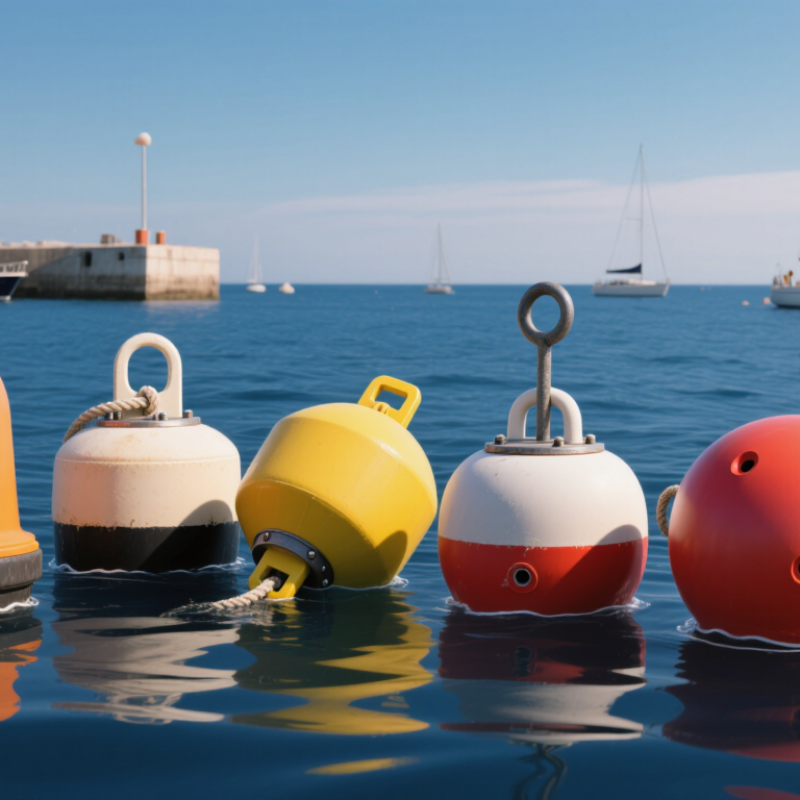
7 Best Foam Filled Mooring Buoys for Sale

What Foam-Filled Mooring Buoys Are and How They Work

7 Best Foam Filled Mooring Buoys for Sale

What Foam-Filled Mooring Buoys Are and How They Work

A Foam-Filled Mooring Buoy usually has a tough outer shell surrounding buoyant, closed-cell foam. Unlike an empty float, it does not rely only on a sealed air space to stay afloat. If the shell is damaged, the foam may help preserve buoyancy, though no buoy is damage-proof. That matters. The buoy supports a mooring line; it does not anchor a vessel by itself. Its lifting eye or chain attachment transfers force between the float and the submerged mooring system.

Buoys come in different sizes and load ratings. The right choice depends on the vessel, water conditions, line arrangement, and the weight the buoy must support. Salt, sunlight, abrasion, and repeated wave motion can all wear down equipment. I would not choose by color or size alone. Check the manufacturer’s working-load guidance and inspect the shell, fittings, and connected hardware regularly. A buoy that looks large may still be unsuitable for a heavy mooring load.

Key Features to Compare When Choosing a Mooring Buoy

For the 7 best foam-filled mooring buoys for sale, compare fit and performance, not appearance alone. Check the buoy’s stated buoyancy against the vessel’s size, mooring arrangement, and expected load. A buoy that sits too low can be hard to spot; an oversized one may move more in chop. Details matter.

Inspect the outer shell, foam core, and attachment point. A tough, UV-resistant shell can better withstand sun, spray, and rubbing against a dock, while a closed-cell foam core helps limit water absorption if the shell is damaged. Still, foam filling does not make a buoy indestructible. Check the eye or lifting point for suitable load ratings, and look for clear care and inspection guidance. Dimensions also affect visibility and clearance around nearby boats.

Tips: Match the buoy to local water conditions and your mooring line. Check the maker’s specifications rather than guessing from color or size. After installation, inspect for cuts, loose fittings, or unusual waterlogging. I’ve learned that small wear marks are easy to dismiss; they deserve a closer look before they grow.

Seven Foam-Filled Mooring Buoys to Consider for Sale

When comparing seven foam-filled mooring buoys for sale, start with the job and the water conditions. A compact dock buoy suits lighter craft and tight spaces. A medium utility buoy offers more reserve buoyancy for routine mooring. A heavy-duty option is designed for larger loads, but its rating must match the full mooring system. A high-freeboard buoy stays more visible above choppy water. Details matter. Check its stated buoyancy and working-load limits rather than judging by size alone.

A low-profile buoy may reduce wind resistance, though it can be harder to spot from a distance. A reinforced-eye model can better handle repeated line or chain contact when properly matched to the hardware. A high-visibility buoy helps crews locate the mooring in glare or light chop. Foam filling can help retain buoyancy if the outer shell is damaged, but it does not make a buoy indestructible. Inspect the shell, attachment points, and surface for wear. Fit is imperfect: a buoy that works in a sheltered basin may not suit exposed water. Compare dimensions, material, and maintenance needs before choosing.

How to Match Buoy Capacity and Design to Your Mooring Needs

Choosing a foam-filled mooring buoy starts with the load it must support, not its color or shape. Add the weight of the mooring lines, chain, and fittings, then account for the vessel’s pull and local water conditions. A buoy’s stated capacity should leave enough reserve to maintain useful freeboard. Too little reserve can leave fittings close to the waterline as loads shift.

Check the buoy’s dimensions and attachment points against the actual mooring layout. A wide buoy may offer more stability, while a compact model can suit a restricted berth. Match the hardware to the line diameter and expected direction of pull. Small details matter. A connector that fits poorly can create concentrated wear, even when the buoy itself is correctly sized.

Capacity figures are estimates, not a substitute for site-specific assessment. Wind, waves, tide, and vessel movement can change loads considerably. This is where a neat calculation may still miss something. Review technical specifications with a qualified mooring professional, especially for exposed locations or heavier vessels. Also check the outer shell, fittings, and foam-filled construction for serviceability and inspection access. A buoy should suit the real conditions, not just the catalog description.

What to Check Before Buying and Installing a Mooring Buoy

A foam-filled mooring buoy should suit the vessel and the conditions at its berth. Check its rated buoyancy against the combined weight of the chain, fittings, and expected loading. Leave enough freeboard for the buoy to remain visible through normal tidal changes. Foam can preserve flotation after a shell is damaged, but it does not make the buoy indestructible. Examine the outer skin for abrasion, cracks, and weak seams. Check that lifting eyes and attachment points are sized for the mooring system, not just the buoy’s weight. Small details matter.

Before installation, measure the water depth across the tide range and consider the vessel’s swing radius. Confirm that the anchor, chain, shackles, and buoy connections are compatible and adequately rated. Line length and angle affect movement and load; follow the buoy and mooring-system specifications, and ask a qualified marine professional when conditions are uncertain. Lower the buoy without dragging it across rocks or a dock edge. After the first period of rough weather, inspect the connections and look for unusual wear. A clean exterior can still hide a problem, so do not rely on appearance alone.