
Blog
2026 Top Slitting And Rewinding Machine Types
The 2026 slitting and rewinding market reflects a practical challenge: converters must process more packaging formats without sacrificing edge quality, roll consistency, or uptime. Grand View Research estimated the global flexible packaging market at USD 269.84 billion in 2023 and projected a 4.9% compound annual growth rate from 2024 to 2030. This figure describes packaging demand, not slitter sales. Still, it helps explain why converting equipment remains an important investment.
A slitting and rewinding machine cuts a wide web into narrower rolls and rewinds them for downstream use. The right configuration depends on material, roll width, tension range, speed, and changeover needs. A razor-blade system may suit thin films, while shear or crush-cut methods can better match other substrates. Duplex and turret rewinders also handle roll changes differently. Small details matter. A wrinkle near the core can undermine an otherwise clean production run.
This guide introduces the main machine types and the trade-offs buyers should examine in 2026. It considers web materials, cutting methods, rewinding layouts, automation, and typical production demands. Supplier specifications are useful, but they do not replace trials with the actual material. That point is easy to overlook. A forecast cannot tell you how a machine will behave with your coating, operator habits, or daily schedule. Treat the categories as a starting point, then verify performance with measured samples, realistic speeds, and clear acceptance criteria.
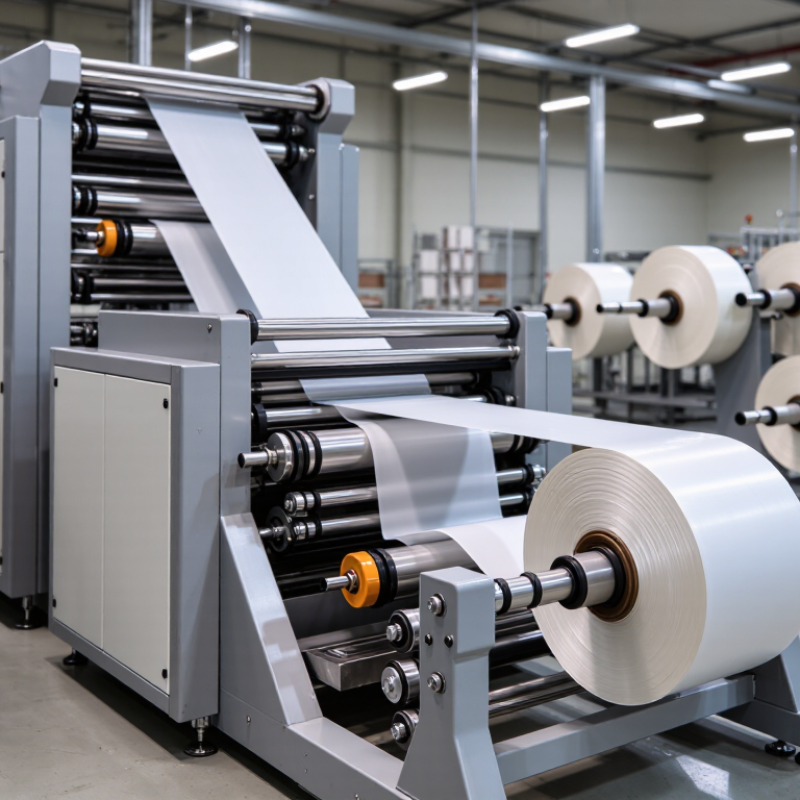
Core Components and Operating Principle of Slitting and Rewinding Machines
2026 Top Slitting And Rewinding Machine Types
Core Components and Operating Principle of Slitting and Rewinding Machines
A slitter rewinder turns a wide master roll into narrower rolls for later converting or packaging. Its main sections are the unwind stand, web-guiding system, slitting station, tension controls, and rewind shafts. The unwind stand supports the parent roll; a brake or motor controls its release. Guide sensors detect edge drift and help keep the moving web aligned. Small parts matter.
At the slitting station, rotary knives cut the web using shear, crush, or razor methods. The right method depends on material thickness, coating, and cut quality. After slitting, nip rollers and differential rewind shafts help wind separate rolls at controlled tension. Load cells or dancer rollers measure tension, while a PLC adjusts speed and torque as roll diameter changes. Too much tension can stretch film; too little can create loose, uneven edges.
The operating principle sounds simple: unwind, guide, cut, and rewind. In practice, each change in material or speed can disturb the web, so setup still requires careful judgment. The Flexible Packaging Association’s 2024 State of the U.S. Flexible Packaging Industry report estimated U.S. industry shipments at $42.9 billion in 2023. That scale makes consistent converting valuable, but the figure does not mean every line needs the same configuration. Operators should verify knife clearance, tension readings, and finished-roll hardness against the material and job specification.
One detail is easy to overlook: a clean cut cannot fix poor incoming roll alignment.
Major Slitting Types: Razor, Shear, and Crush-Cut Systems
Razor, Shear, and Crush-Cut Systems
Razor slitting uses a sharp blade to divide thin, flexible materials such as plastic film. The blade may run in a holder or through a support groove, depending on the setup. Operators often favor this method for fast changes and narrow cuts. It is less forgiving when blades become dull or web tension fluctuates. Watch the cut edge closely.
Shear slitting works like a pair of rotating scissors. Overlapping circular knives create a controlled cut, making this method useful for paper, laminates, and thicker films. Correct knife overlap and side clearance matter; poor alignment can leave burrs or uneven edges. Setup takes care. The payoff is consistent cutting across longer production runs, though results still depend on material and machine condition.
Crush-cut systems press a hardened blade against an anvil roll. They are mechanically simple and can suit materials such as nonwovens and some paper grades. Excessive pressure, however, may deform soft stock or wear the anvil faster. A useful trial checks edge quality, dust, and roll tension at operating speed—not just during a slow setup. No method wins every job. A clean sample can still hide a problem that appears after a full shift.
Rewinder Types: Center, Surface, and Combination Designs
2026 Top Slitting And Rewinding Machine Types
Rewinder Types: Center, Surface, and Combination Designs
Rewinder design affects roll firmness, web tension, and how reliably finished rolls unwind. Center winders drive the core directly, making them useful for materials that need controlled tension as roll diameter grows. Operators can adjust torque to limit stretching or crushing. This matters with thin films and delicate laminates. A small tension error can leave telescoping edges or a soft, uneven roll.
Surface winders use driven rollers to turn the roll from its outer surface. They suit heavier, thicker materials and can handle larger rolls without relying only on core strength. Contact pressure needs careful adjustment, though. Too much pressure may mark a sensitive surface; too little can cause slipping. Combination winders use both center and surface drive. This gives operators more control across changing roll diameters, but setup and tuning can take longer. More options are not always better.
Tips: Check the material’s stretch, thickness, and target roll hardness before choosing a design. Run a short trial and inspect the edges, core, and outer layers. Keep notes on tension and pressure settings. Real production can behave differently from a clean test run.
Specialized Machines for Film, Paper, Foil, and Nonwoven Materials
2026 Top Slitting And Rewinding Machine Types
Specialized slitting starts with the material, not the machine catalogue. Paper lines often use shear or crush-cut knives to handle thick webs and reduce edge dust. Thin film benefits from razor or shear cutting, plus controlled tension that prevents stretching and wrinkles. Foil needs careful web guiding; a tiny crease can spoil a full roll. Nonwoven lines may need wider, softer winding because bulky webs compress unevenly. The FAO’s Forest Products Yearbook reports about 401 million tonnes of global paper and paperboard production in 2022. That scale helps explain why stable, repeatable rewinding matters.
Machine choice also depends on roll width, core changes, and the finished roll’s use. Duplex slitters suit multiple narrow rolls; turret rewinders help reduce changeover pauses. Smithers’ flexible-packaging market reports track continued demand for film-based packaging, but market growth alone cannot specify the right blade or tension setting. That takes trials with the actual material. Small details decide. An ideal setup on paper may still perform poorly on a humid shop floor.
Tips: Test knife clearance and tension at production speed, then inspect roll edges and hardness. For film, watch for neck-in; for foil, check for wrinkles near the core. Record settings by material batch. It is tedious, but useful. A slightly imperfect roll can reveal more than a polished specification sheet.
How to Compare Slitting and Rewinding Machine Types in 2026
In 2026, compare slitting and rewinding machines by matching their design to your material and production goals.
A duplex rewinder uses two shafts, allowing one roll to wind while another is prepared. It suits repeat jobs with frequent roll changes. Turret machines can reduce changeover time on high-volume lines, but their automation may be unnecessary for short runs. Center winding offers careful tension control for delicate films and laminates. Surface winding can support larger rolls, depending on the material and machine setup. The slitting method matters too: razor blades can work well with thin films, while shear knives are often chosen for thicker or tougher webs. Small details matter.
Ask suppliers for trials using your actual material, core size, and target roll diameter. Watch for wrinkles, telescoping edges, dust, and uneven tension across the web. Compare usable speed, not just the maximum speed listed on a specification sheet.
Check how quickly operators can change blades and adjust tension, and whether routine cleaning is straightforward. Also review guarding, controls, and available operator training. A machine that looks ideal on paper may struggle with a finicky substrate. That is worth admitting.
Record trial results, including waste and setup time, before comparing purchase prices.